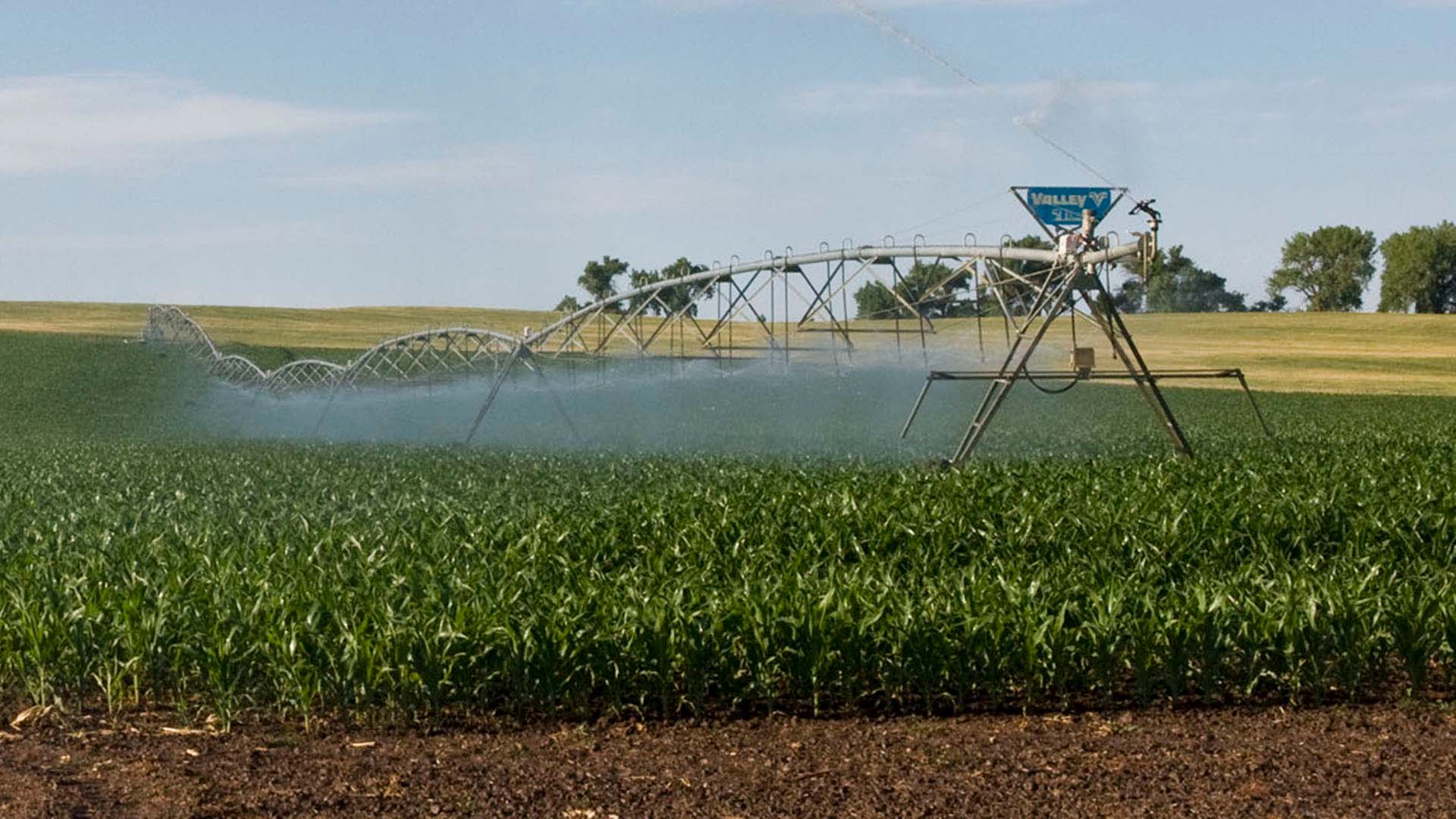
There have been times when regional water providers have pursued alternative water supply projects, such as groundwater supplies and transfers of land and water rights from agricultural to urban uses. These water development options come with their own costs, impacts and uncertainties.
The "buy and dry" of irrigated agriculture can adversely impact our region's robust agricultural economy and environment, which is why the Colorado Water Plan actively discourages such practices. Agricultural to urban transfers often require changes to water rights, stringent requirements for revegetating land and new infrastructure to deliver water. Developing water in this manner can be costly, time consuming and uncertain, and often occurs in a piecemeal manner.
Communities to the south that relied on non-renewable groundwater supplies as a cost-effective source of water are now confronting declining aquifers, rising costs and greater uncertainty about their long-term water security. These alternative water supply projects are frequently promoted by those without a track record of delivering successful water projects or a vested interest in the ongoing success of our region. Northern Water has a long history of developing, operating and maintaining regional water infrastructure that has served Northern Colorado for generations, offering the oversight and security and security demanded by residents within our communities.
Regional partnerships have consistently proven to be one of the most effective ways to develop major water infrastructure in Northern Colorado. By sharing costs, expertise and resources, participating communities gain access to a reliable water supply that would be difficult and significantly more expensive to develop independently.