Protecting the Valley
On-Site Environmental Commitments
The Chimney Hollow Reservoir Project is located within a relatively pristine valley that has geologic wonders, sensitive vegetation communities, special status species and numerous cultural resources. Responsibly constructing, operating and maintaining a large reservoir in this setting requires a robust environmental stewardship effort.
The Northern Water Municipal Subdistrict has and will continue to collaborate with environmental stakeholders and regulatory agencies, including but not limited to Larimer County, Colorado Parks and Wildlife, the U.S. Fish and Wildlife Service, the U.S. Army Corps of Engineers, the U.S. Bureau of Reclamation, the Colorado Department of Public Health & Environment, the U.S. Environmental Protection Agency, the State Historic Preservation Office and Tribal Nations to protect, conserve and enhance the Chimney Hollow valley for current and future generations.
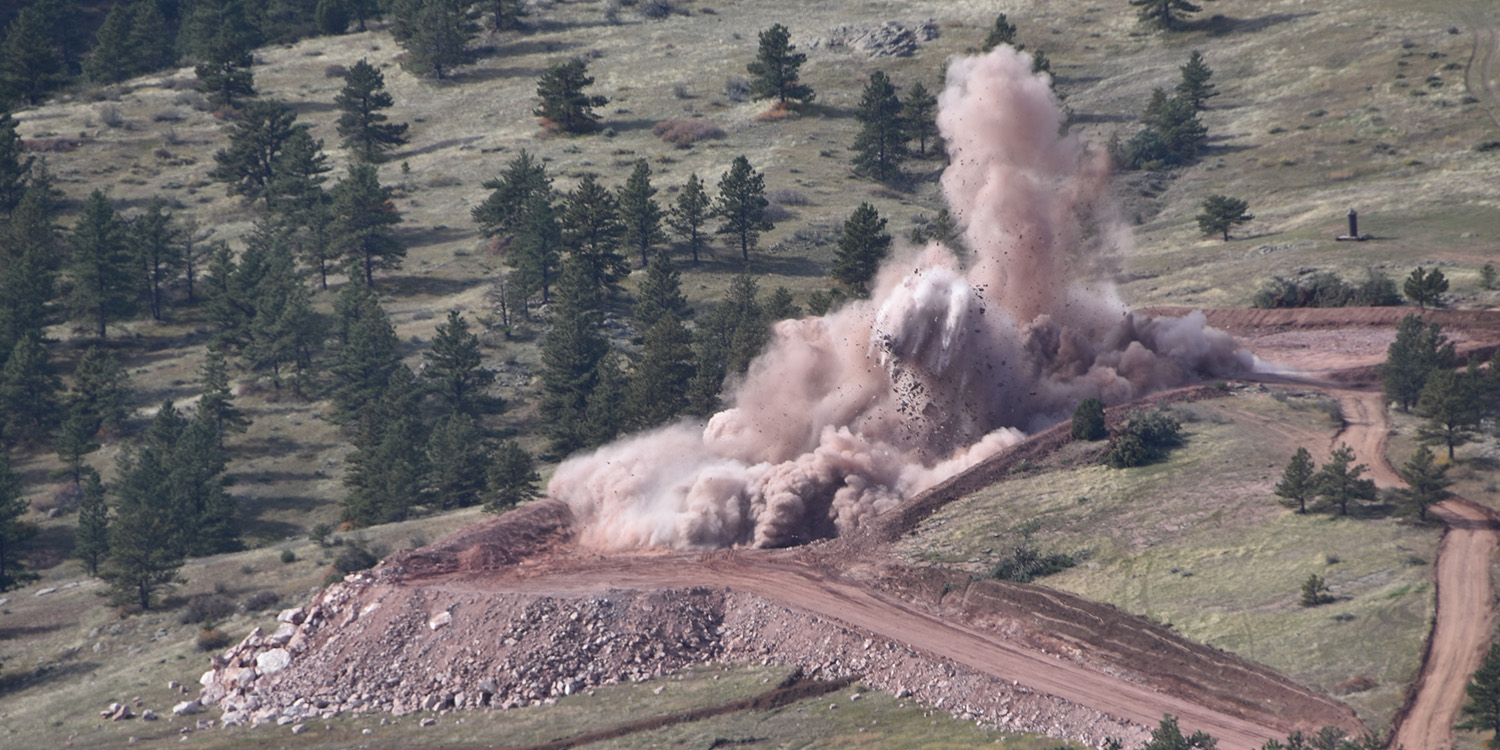
Noise Monitoring and Mitigation
To minimize impact to the public and wildlife, noise monitoring stations ran continuously. Additional acoustic mitigation was used when noise is nearing or exceeding the noise ordinance, such as during blasts or loud construction activities. Barnard Construction continued to monitor ongoing noise throughout the site. Neighbors were alerted to changes on-site.
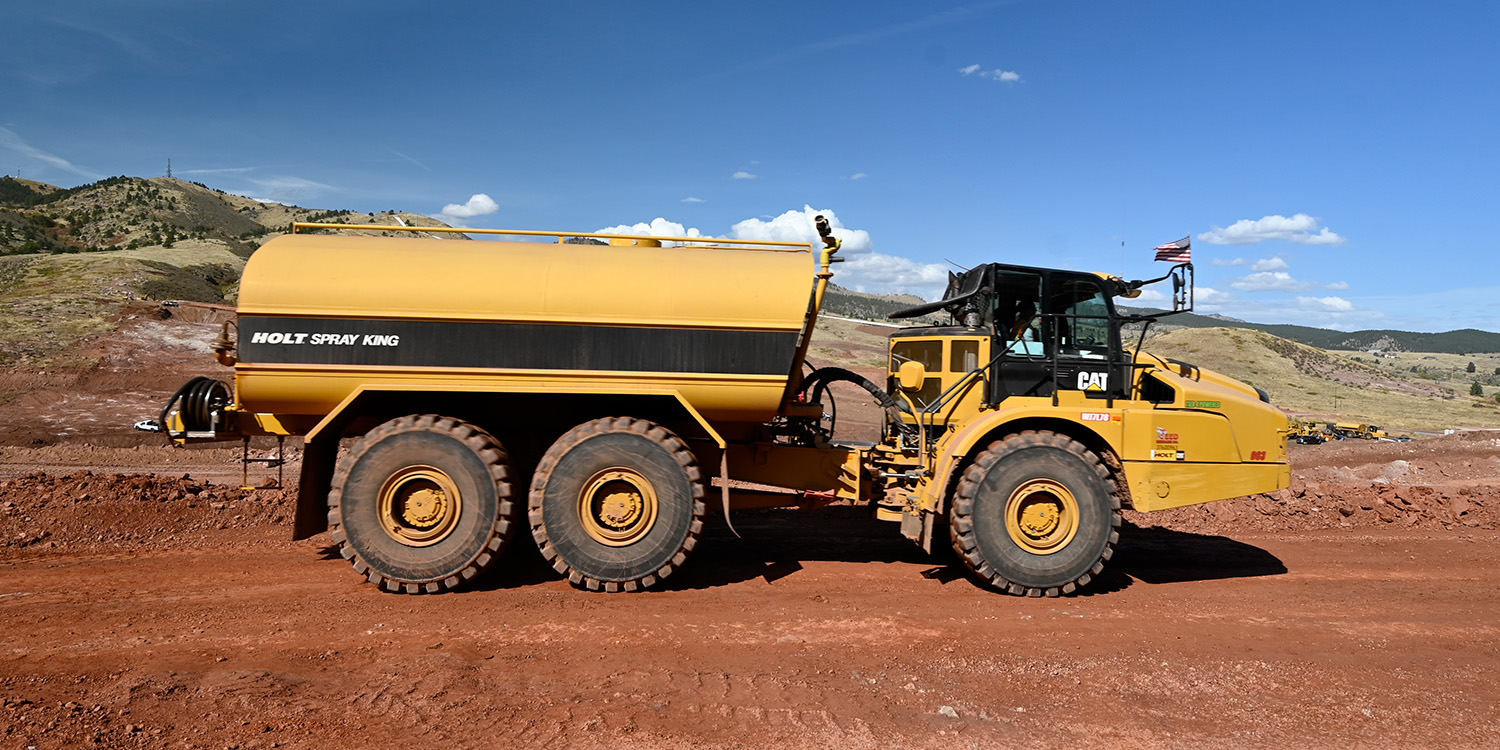
Air Quality
With six air permits from the State of Colorado, the project had multiple emission controls and procedures in place to mitigate air pollution. Roads were evaluated and water trucks sprayed water on the roads to keep dust at a minimum. Crushing plants were outfitted with sprayers. All equipment met EPA Tier 4 emission standards, which is the highest available rating.

Raptor and Migratory Bird Protection
High on the cliffs east of the reservoir, a pair of golden eagles have created a nest. Composed of hundreds of sticks and other materials found within the valley, the nest is at least 6 feet wide. While the eagle family was nesting, a buffer zone of one-half mile around the nest was required. Regular surveys were done to identify and protect other raptors and migratory birds.
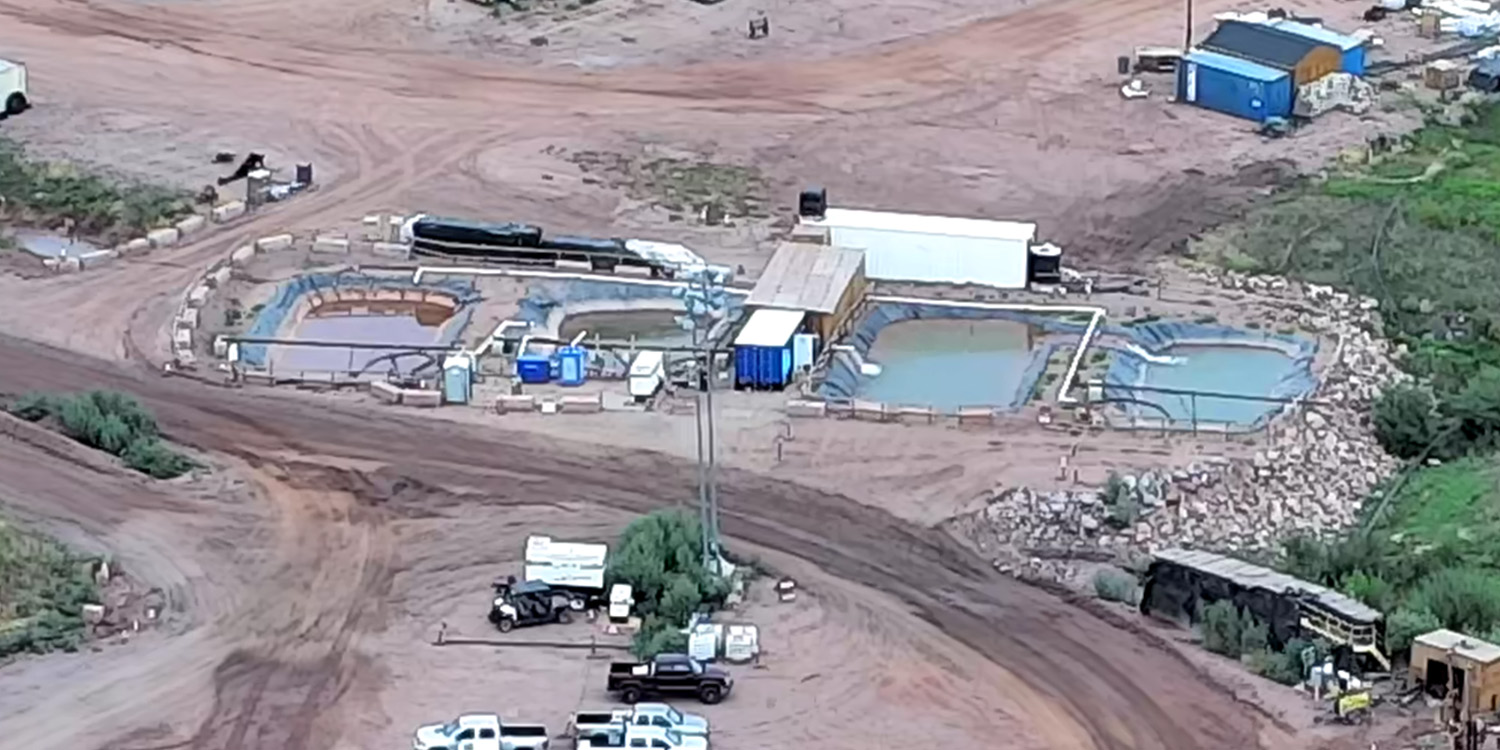
Erosion and Sediment Control
A stormwater quality program was established for the project to minimize erosion and prevent dirty, sediment laden water from leaving the site. Weekly inspections took place to verify that stormwater controls were in place and effective. An on-site water treatment plant operated to discharge only clean water.
Paleontological and Archeological Monitoring and Recovery
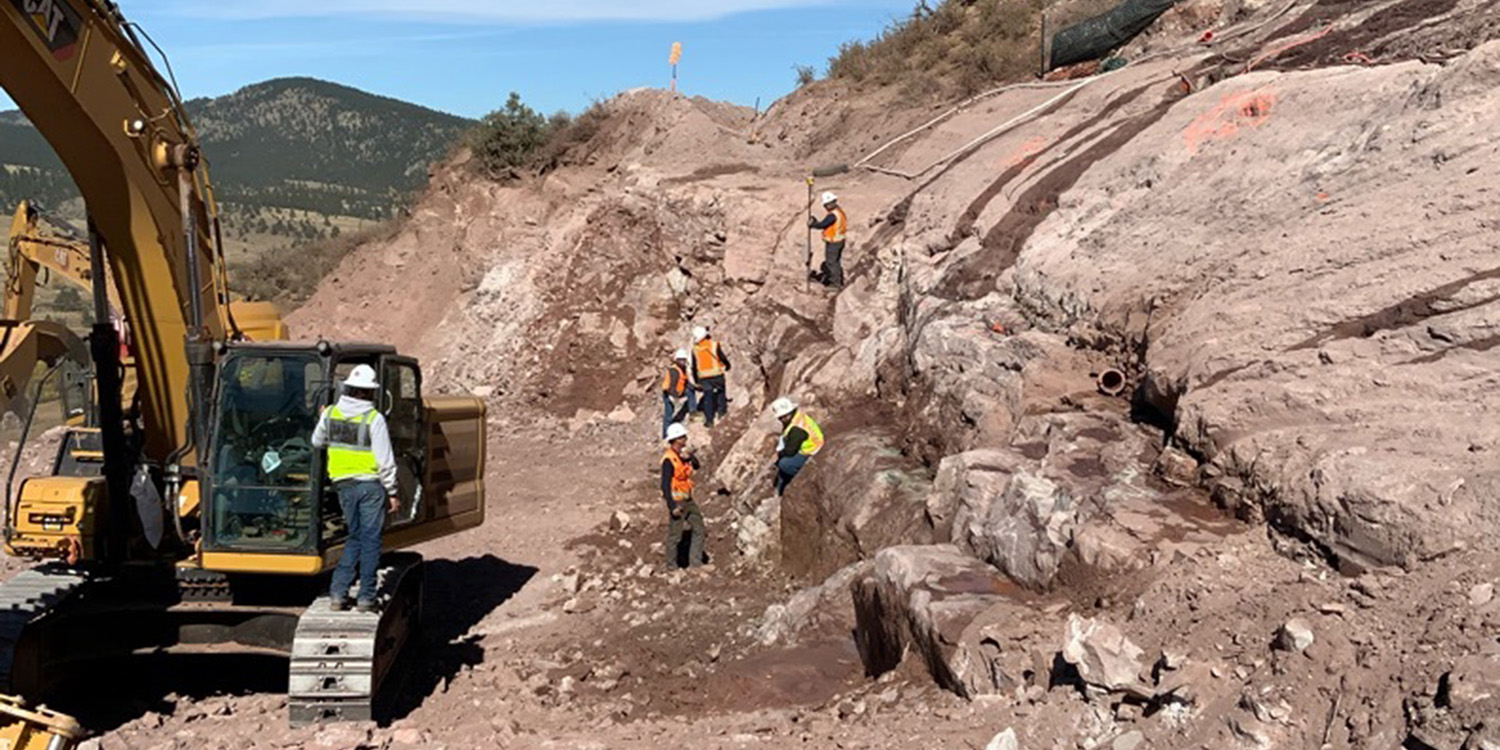
During the geotechnical investigation phase of the project in 2017, partial skeletons of an adult and juvenile mammoth were uncovered. An on-site paleontologist and archeologist monitored excavation activities within geologic formations known to contain fossils and artifacts.

Wetland and Stream Restoration
To help mitigate project impacts, following the 2013 floods, multiple stream restoration projects were executed to enhance areas of the Little and Big Thompson Rivers. In each of the locations, natural channels were restored, trees were planted and weeds cleared. Annual maintenance ensures these areas continue to improve.