Fire Recovery

Rebuilding Our Watersheds

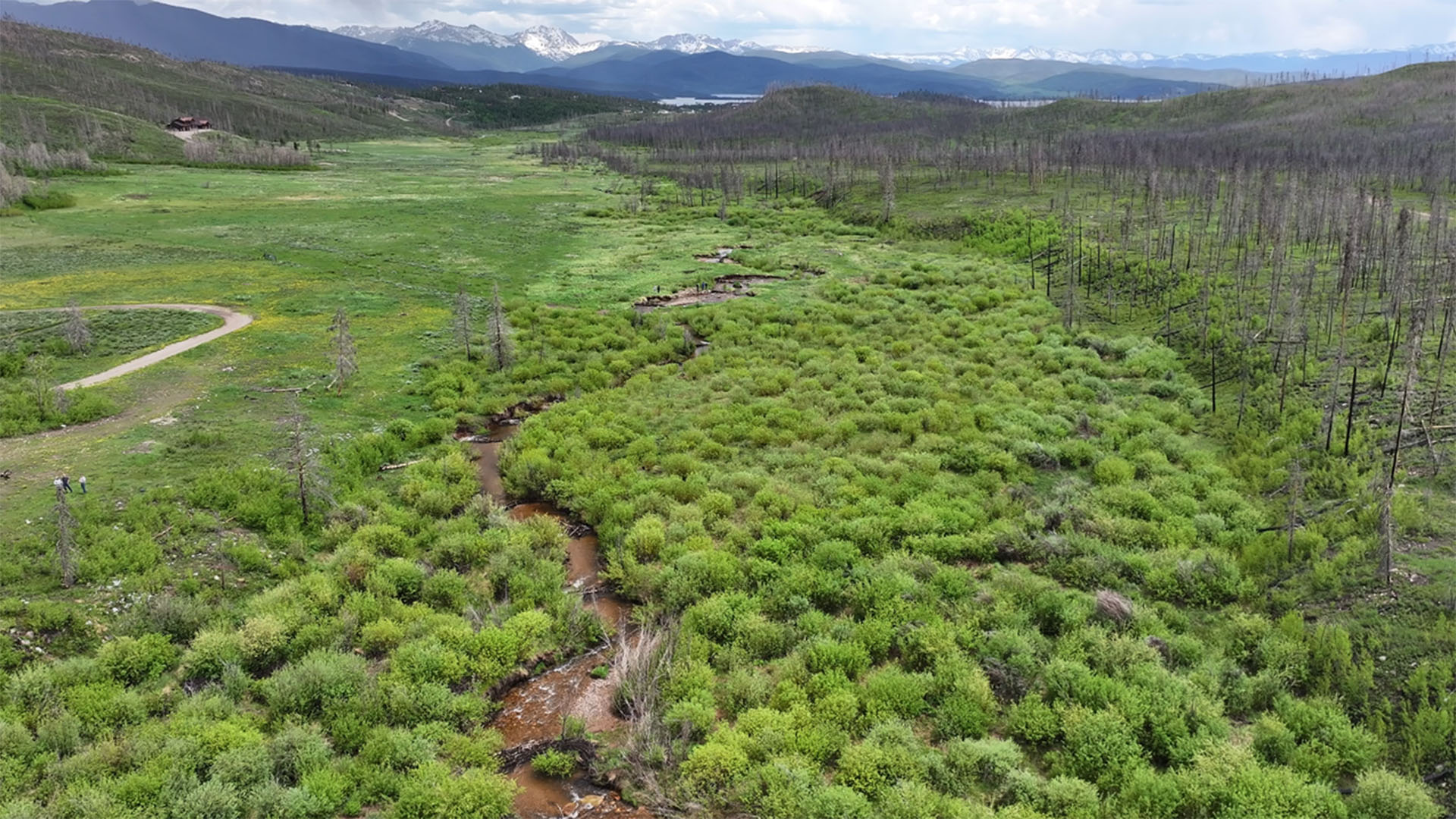
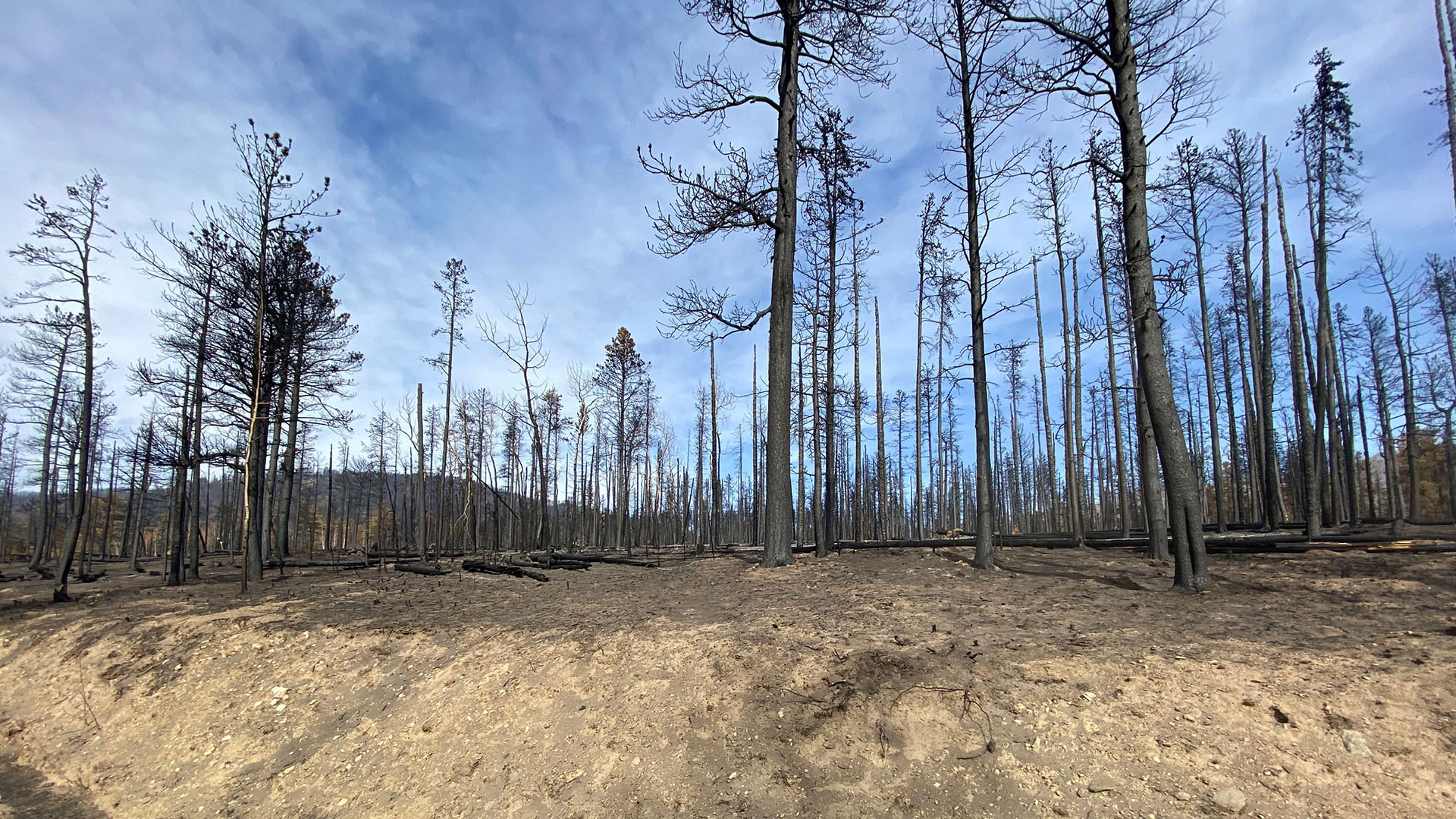
Wildfire is a natural part of Colorado’s forest ecosystems, but large-scale events can leave lasting impacts on water quality and infrastructure. In the fall of 2020, the East Troublesome Fire swept through Grand County, crossed the Continental Divide, and burned to the eastern boundary of Rocky Mountain National Park. Consuming nearly 200,000 acres of public and private lands, it became the second largest wildfire in Colorado history. The fire affected much of Northern Water’s collections watersheds, creating significant risks of erosion, flooding and debris flows that threaten our reservoirs and delivery systems. We continue working toward long-term recovery from this fire.  

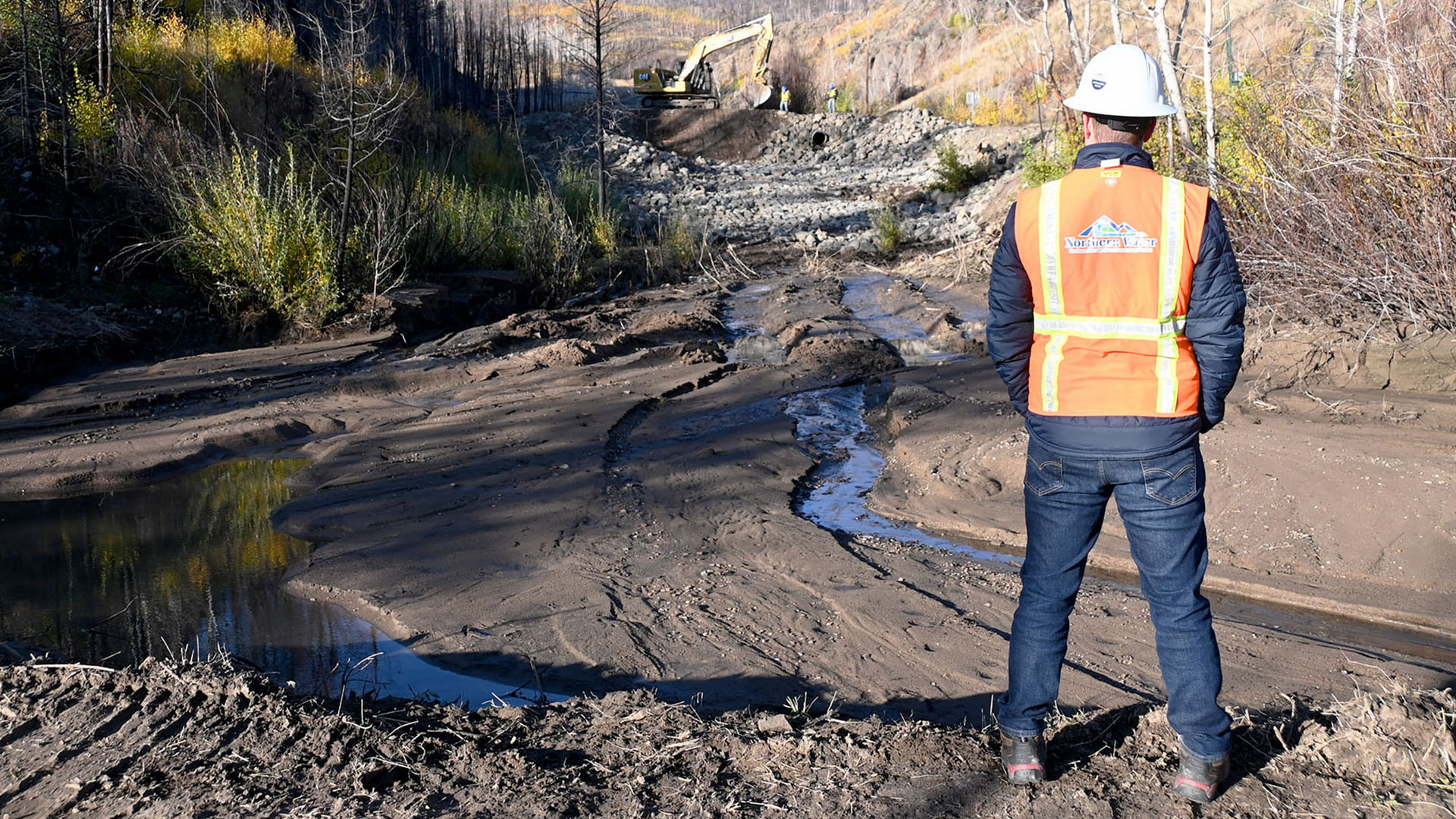
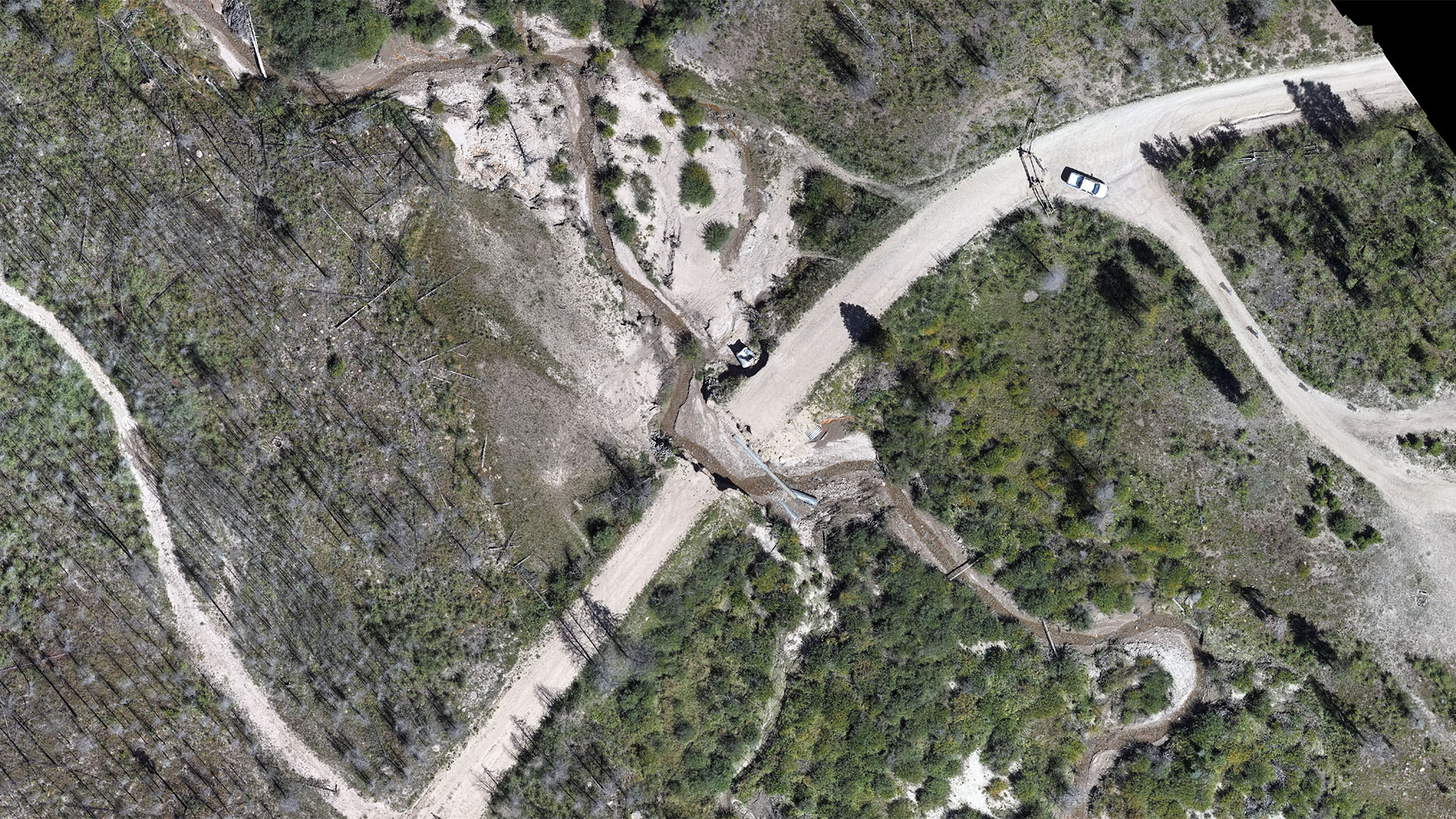
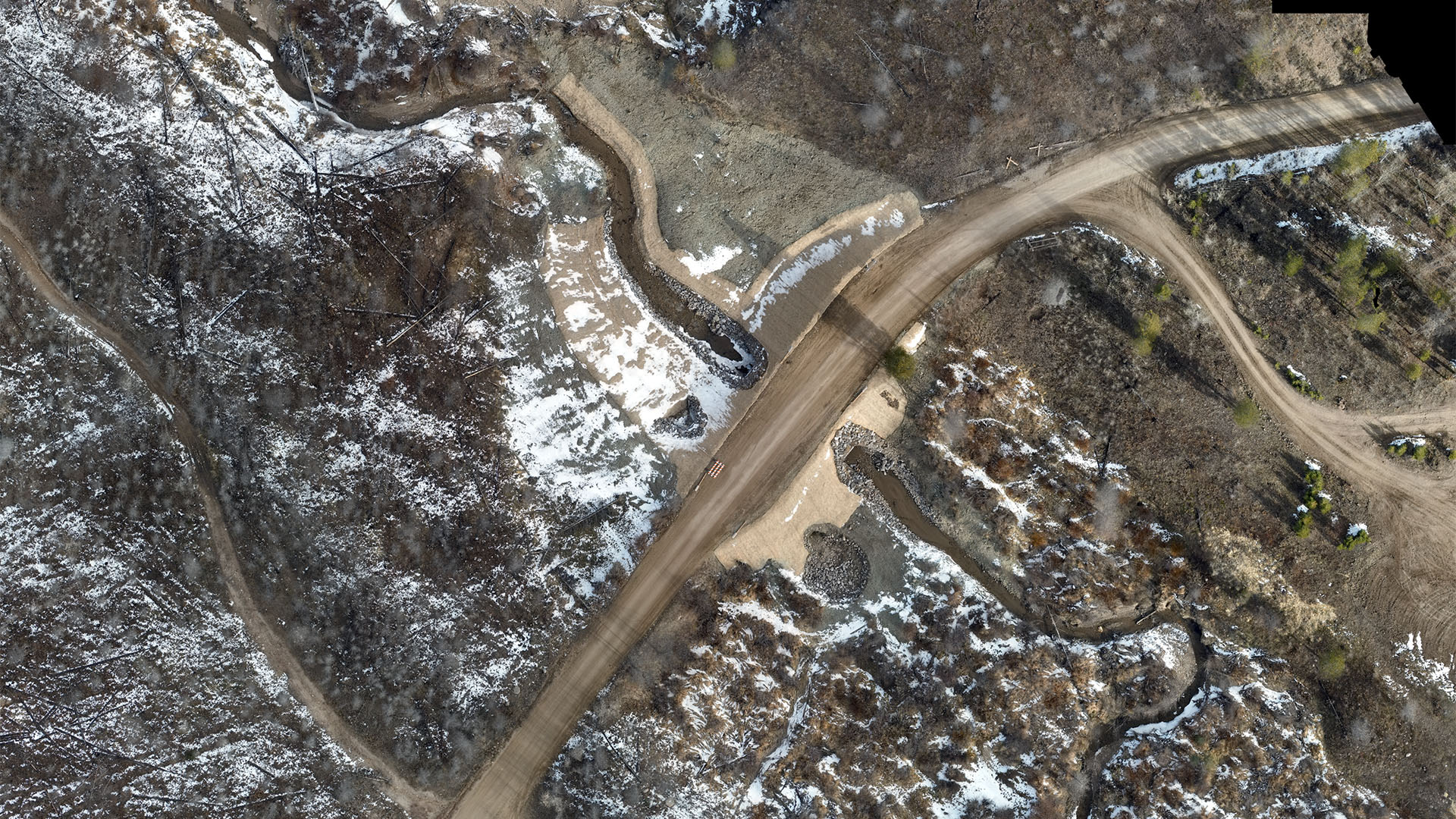
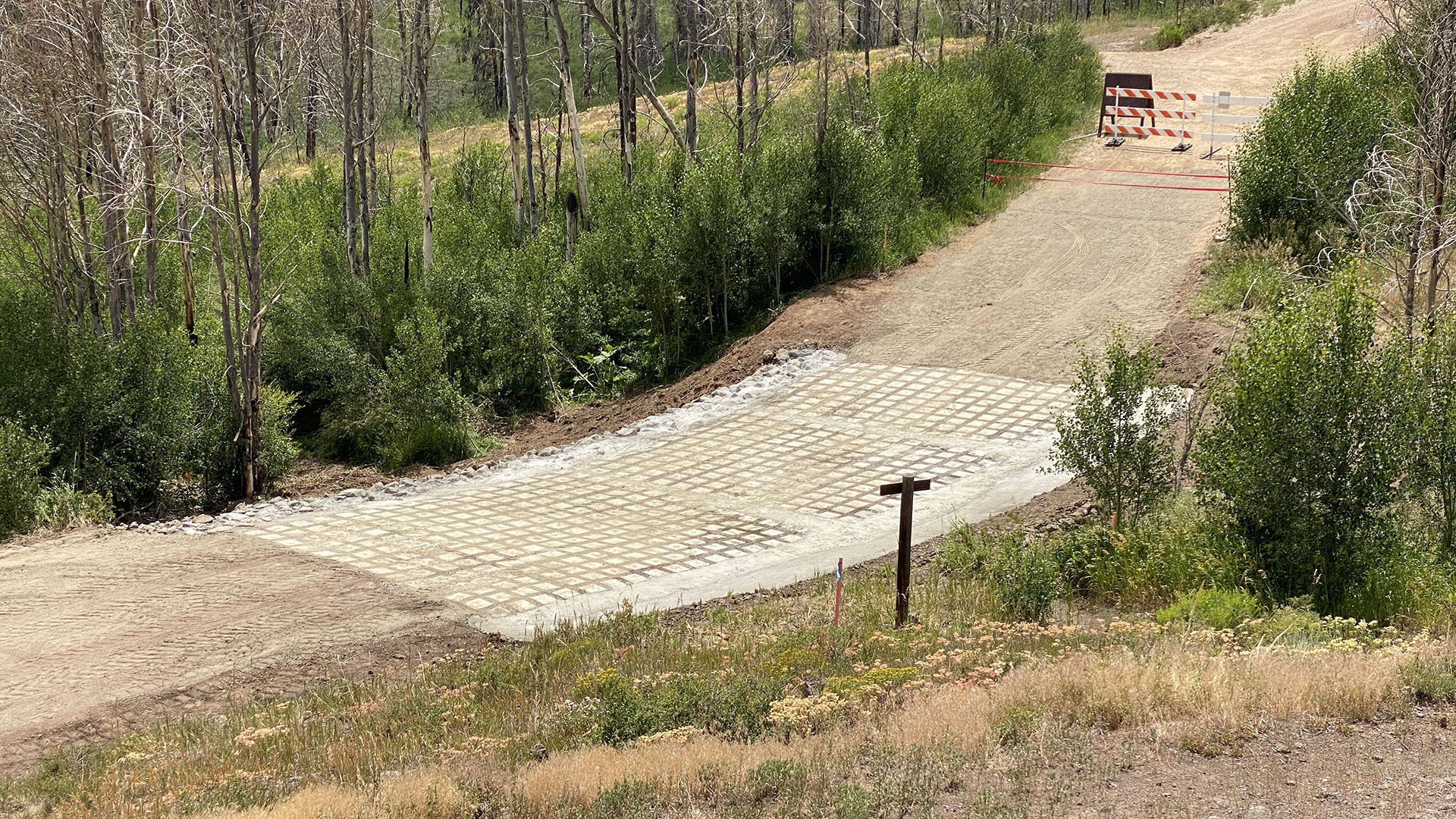
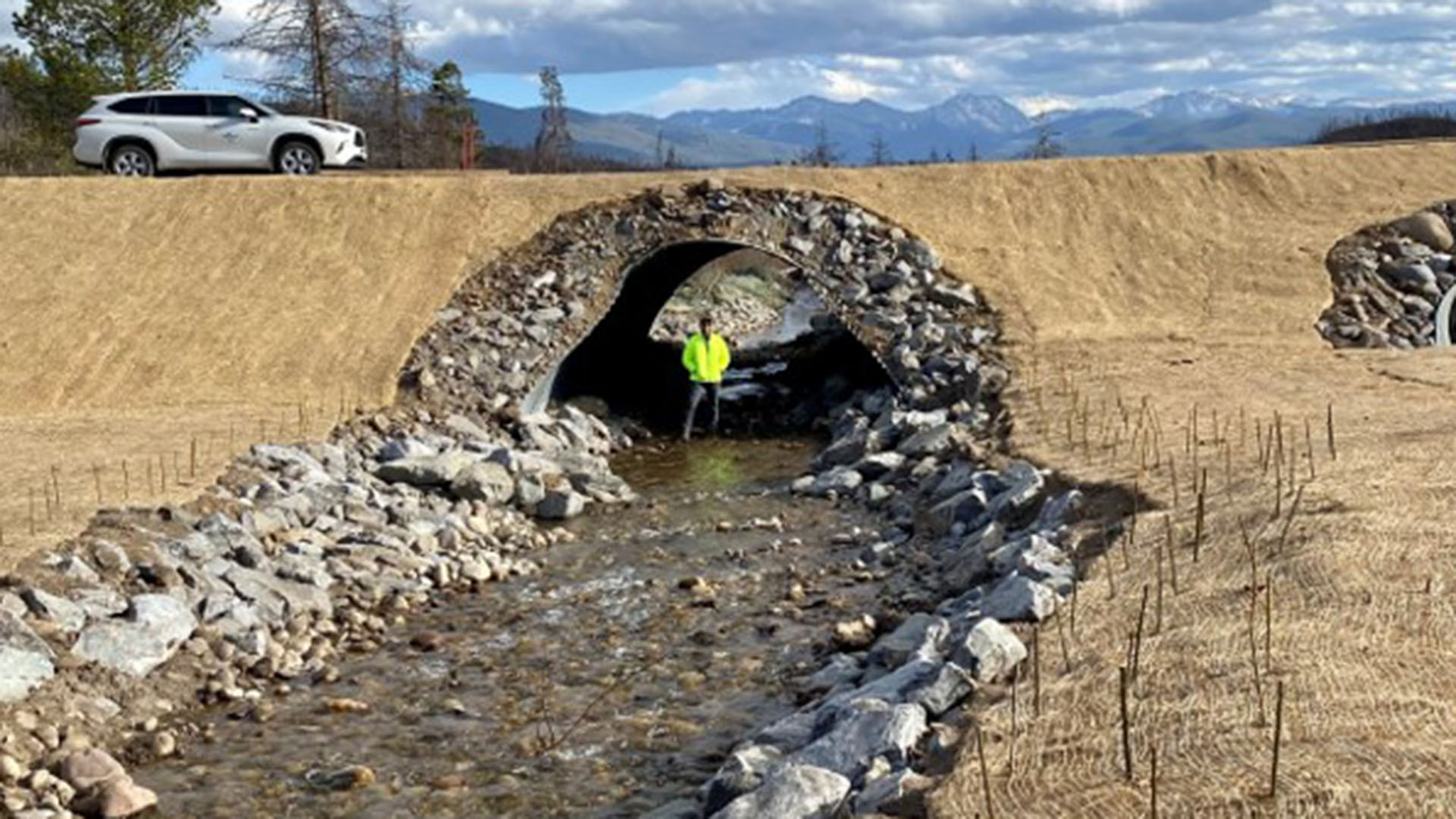
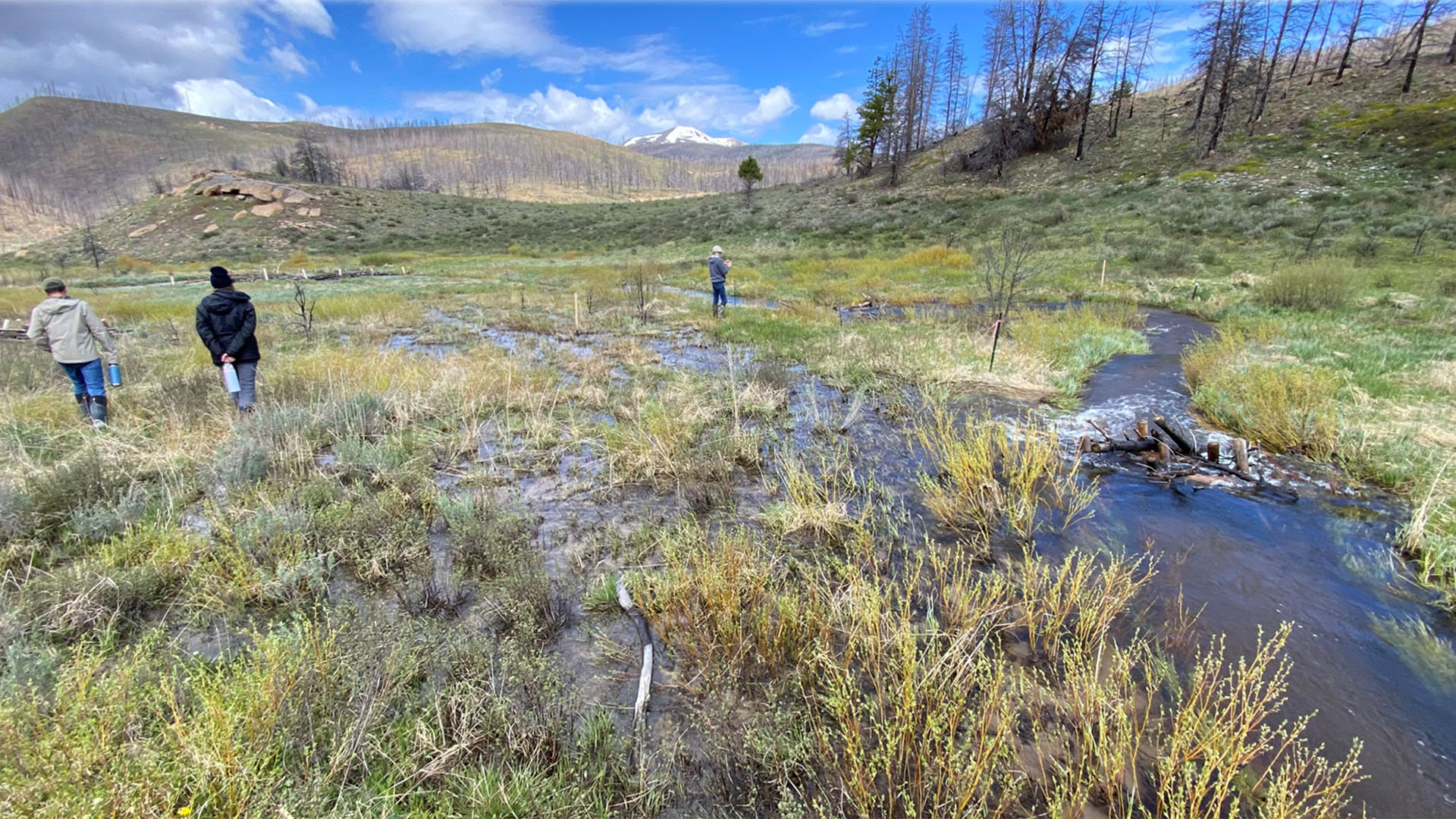
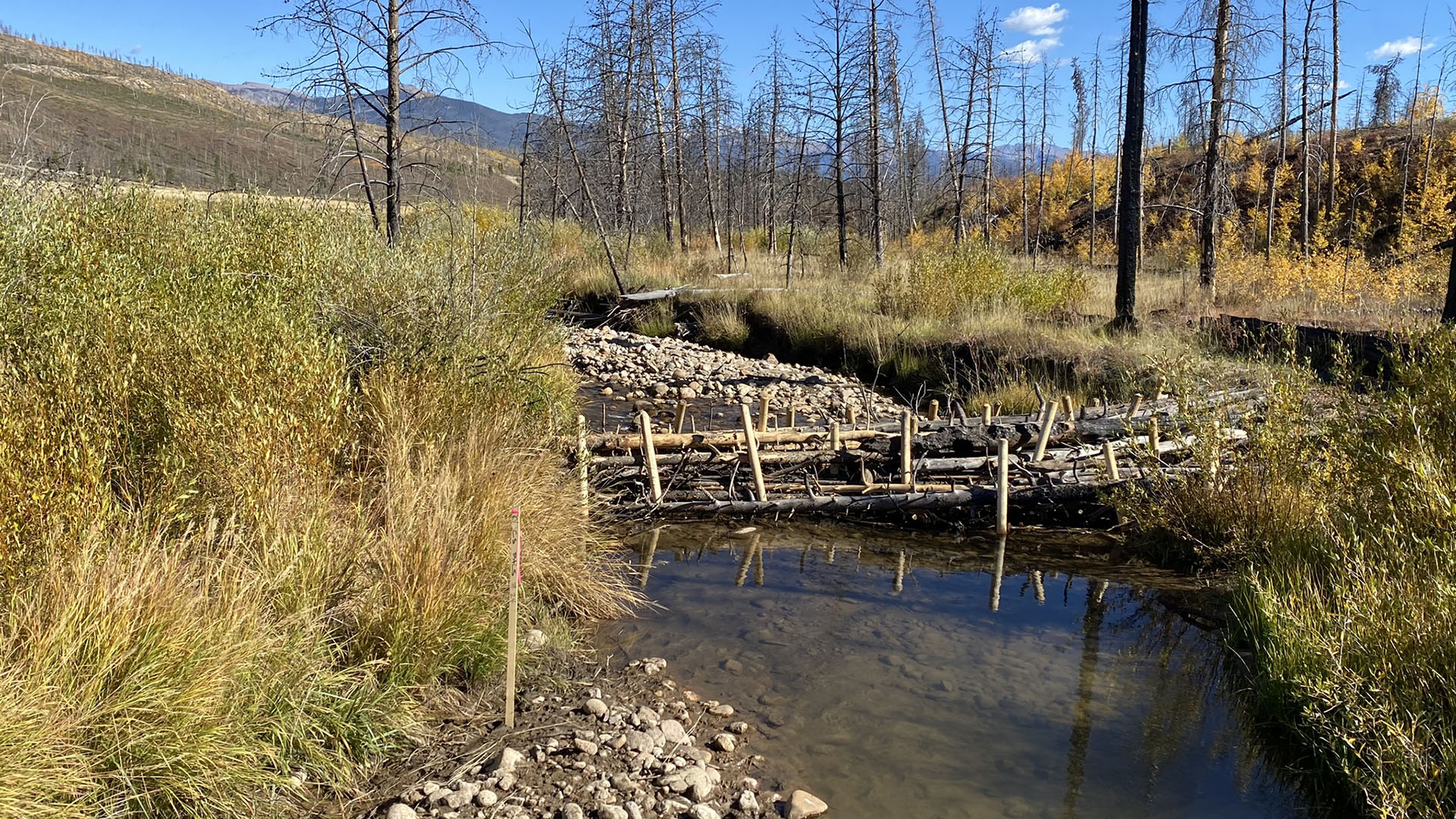
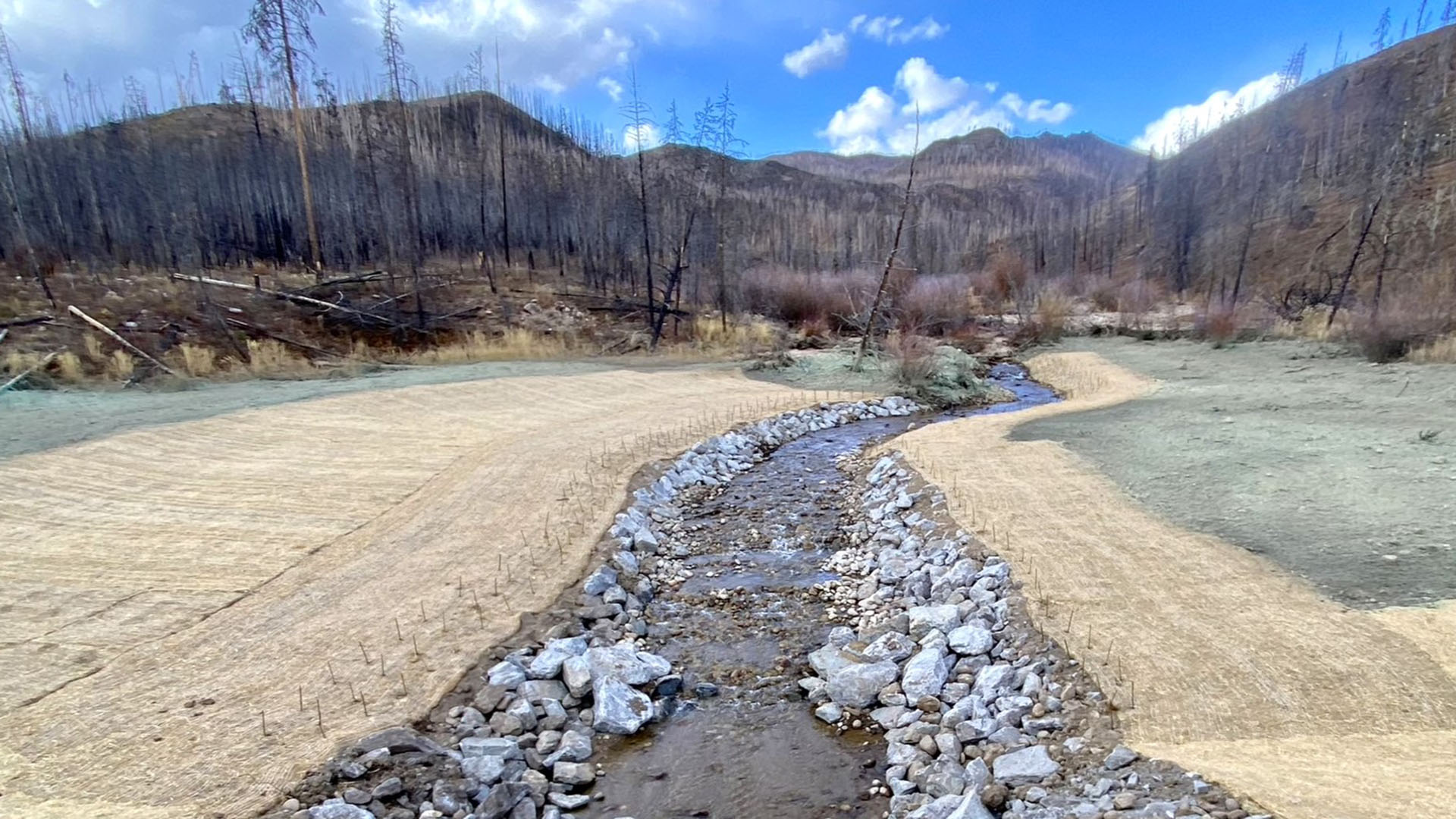
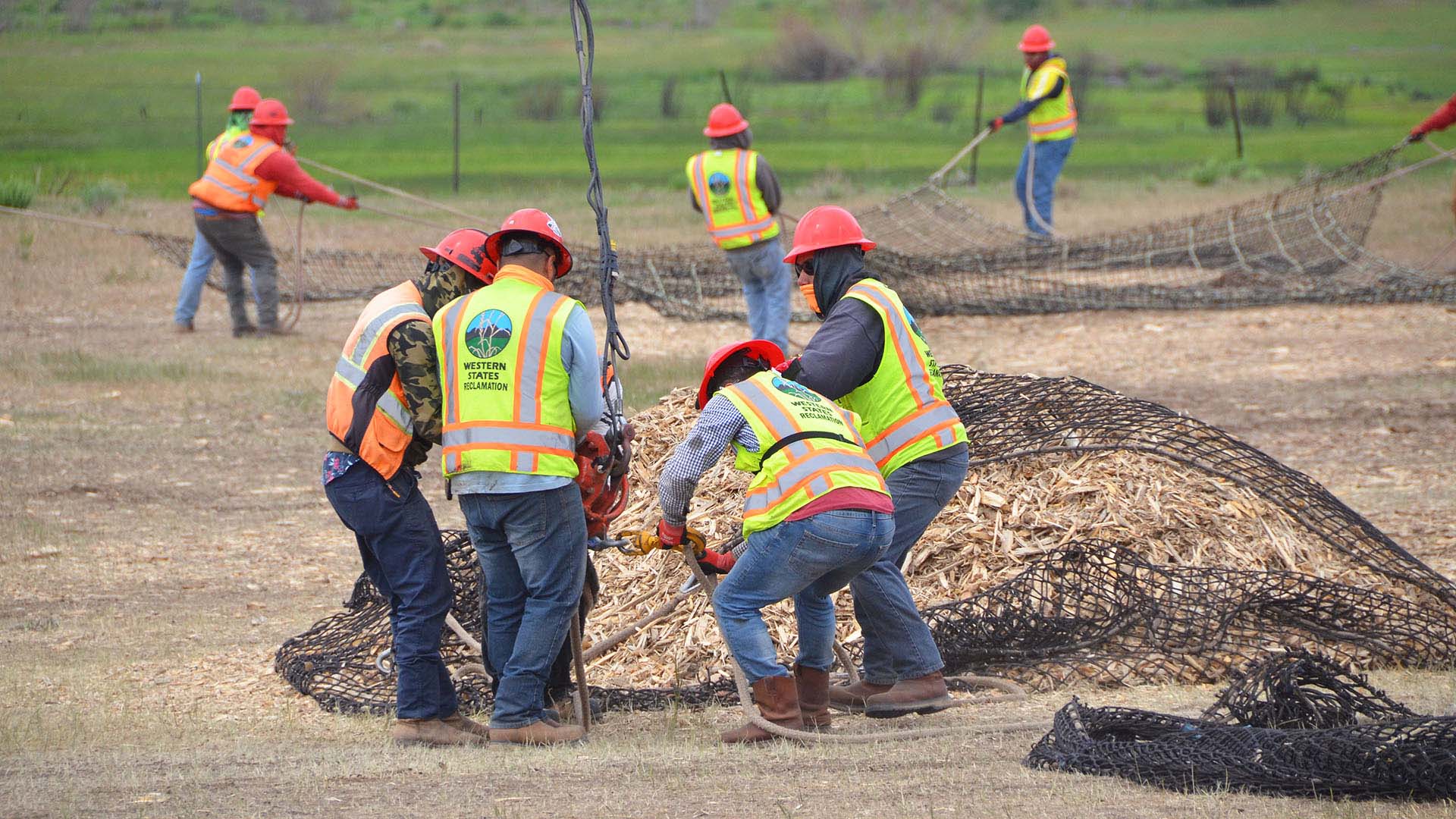
Because wildfires cross jurisdictional boundaries, collaboration is critical for postfire recovery. To address immediate threats following the East Troublesome Fire, Northern Water partnered with Grand County to co-sponsor the U.S. Department of Agriculture Natural Resources Conservation Service Emergency Watershed Protection (EWP) Program. This program provides funding and technical support for projects on private lands that reduce risks to life and property caused by watershed impairments from natural disasters such as wildfire. Through EWP, we implemented a range of protection measures—including aerial mulching, sediment and control structures, stream stabilization, road and bridge upgrades, and flood mitigation projects—between 2021 and 2023.  

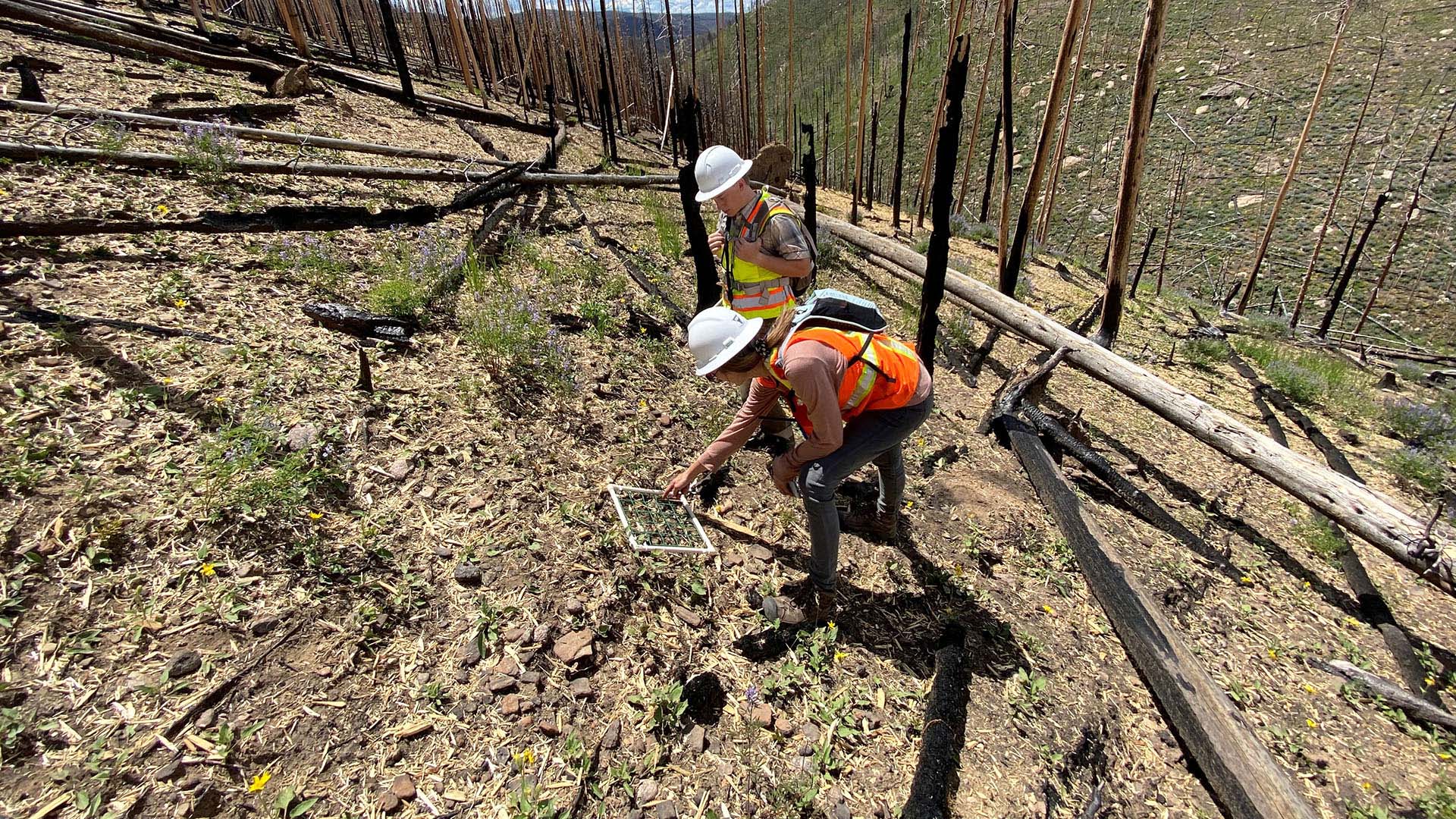
Two people inspecting mulch on the ground that had been dropped by helicopter
In the years following the East Troublesome Fire, Northern Water and EWP partners worked to mulch burned land to help in erosion and regrowth of the burned areas.
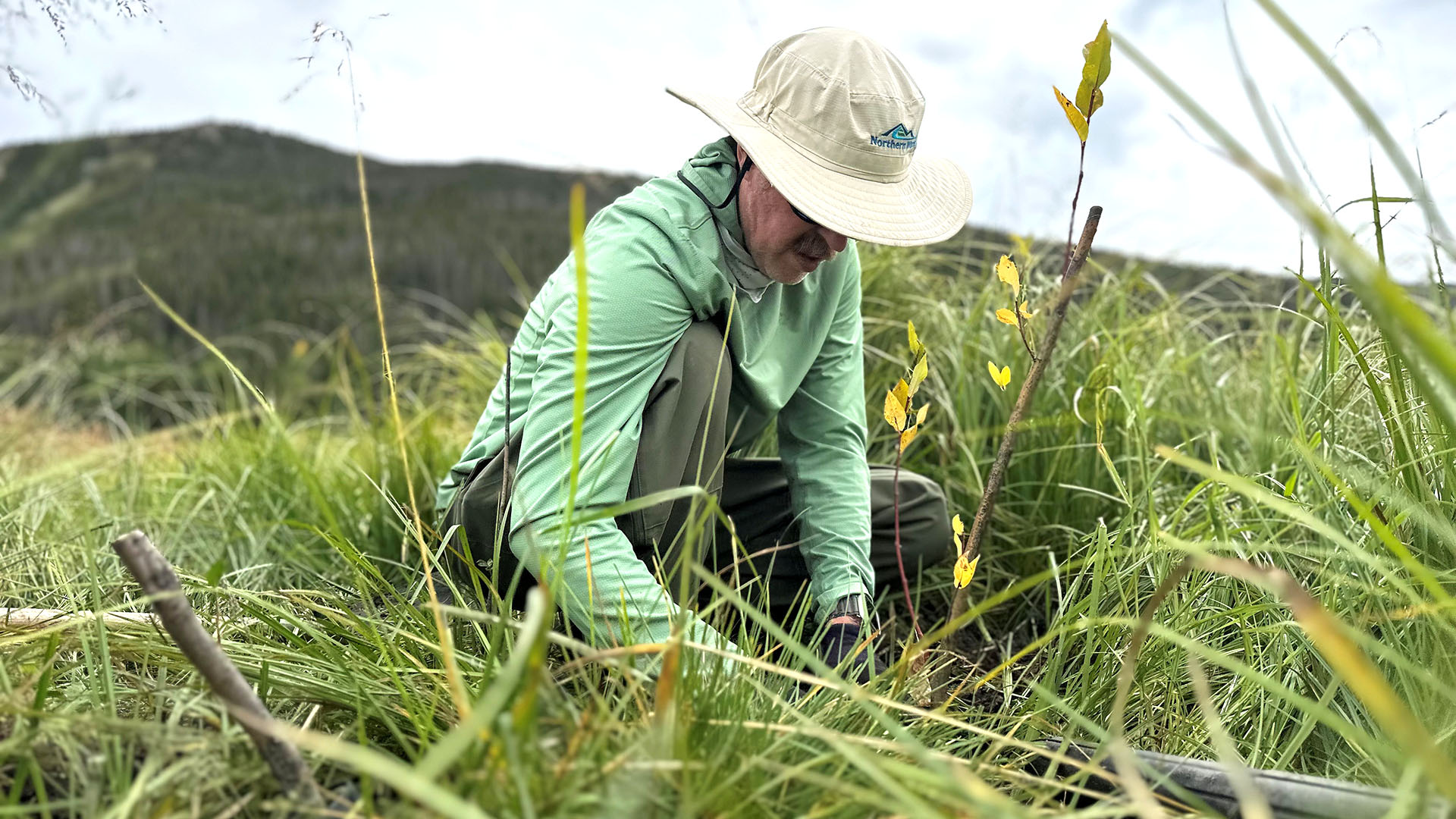
In 2022, Northern Water shifted its focus towards long-term watershed recovery. We entered into a Participating Agreement (PA) with the U.S. Forest Service, which provides federal funding and authorizes Northern Water to implement recovery projects on National Forest System lands. This collaboration allows us to leverage federal dollars for on-the-ground work that restores watersheds and safeguards our water supplies. PA funding also supported development of the Watershed Assessment of River Stability and Sediment Supply (WARSSS), which guides long-term restoration priorities. 

Postfire recovery requires significant investment. To date, Northern Water has implemented projects totaling approximately $55 million, with anticipated future costs of $20 million for long-term recovery. The majority of funding has come through the EWP Program and the U.S. Forest Service Participating Agreement, with matching funds provided by the Colorado Water Conservation Board (CWCB) and Northern Water. Northern Water has also contributed significant staff time and resources, working alongside many partners to make these efforts possible.  

Other Fires in Our Watersheds

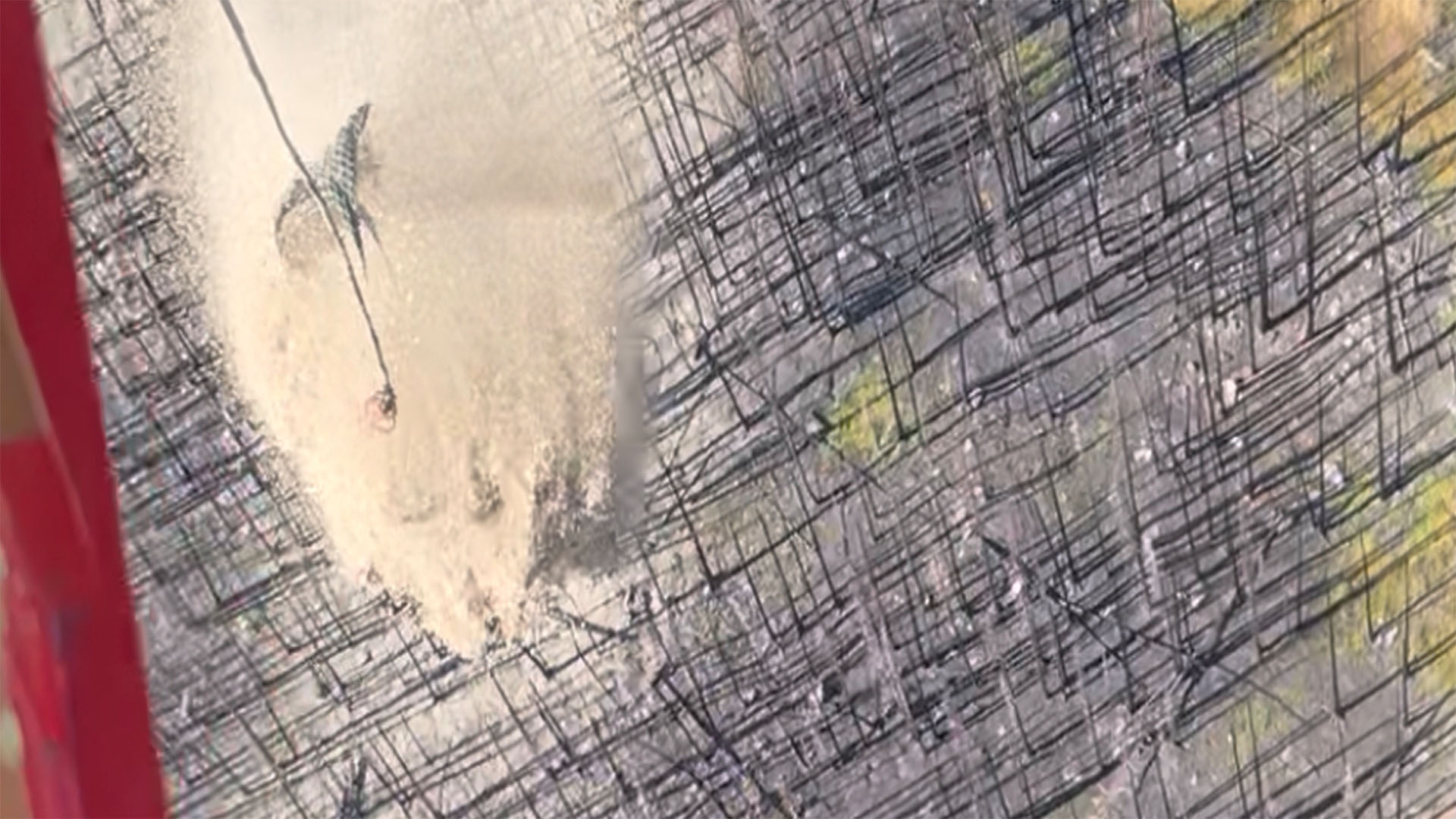
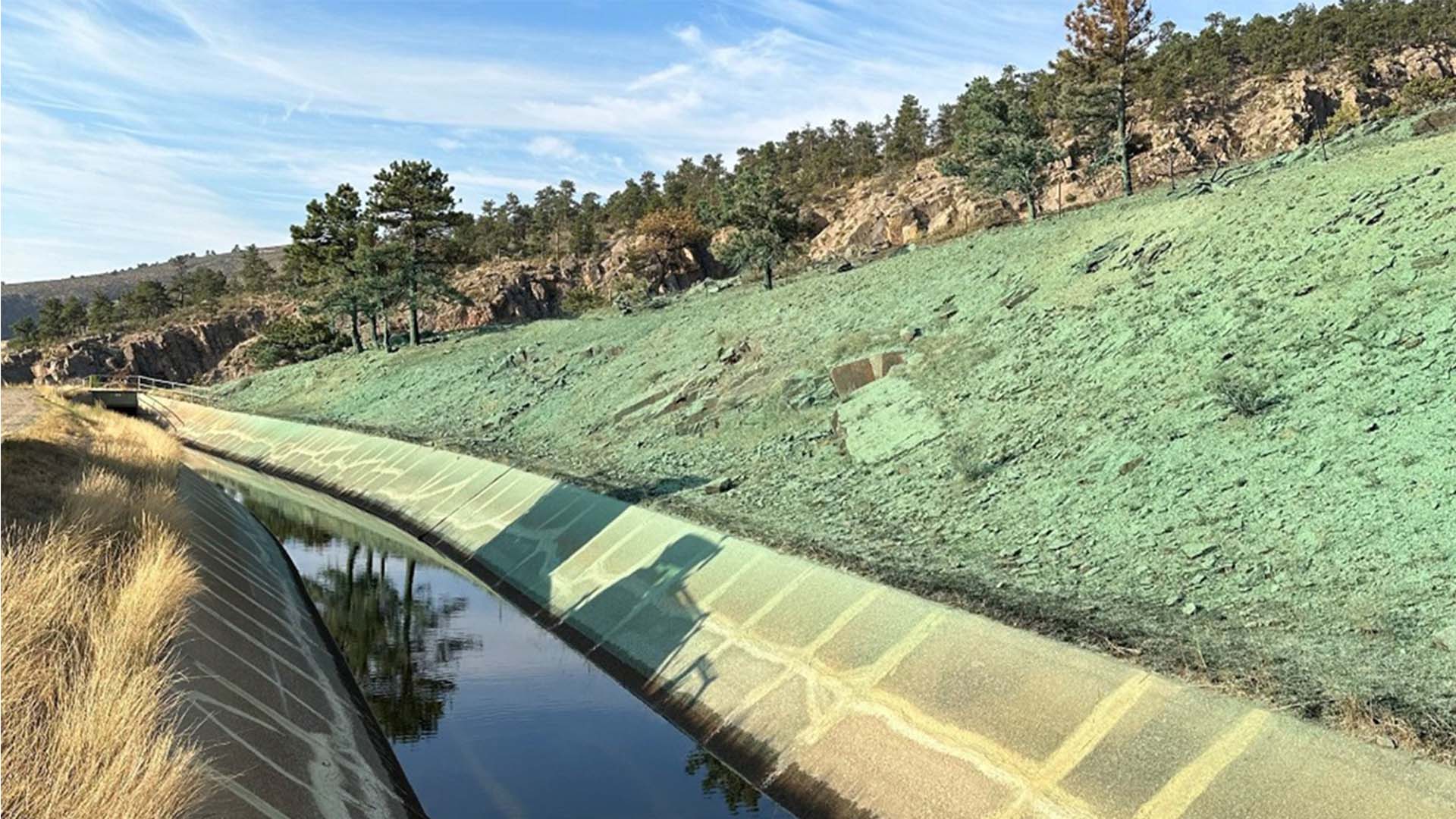
Hydroseeding mulch placed along the Hansen Feeder Canal post the fire
Hydromulching was applied above the Hanson Feeder Canal following the 2024 Alexander Mountain Fire to reduce erosion and prevent sediment from entering critical waterways.

In addition to the East Troublesome Fire, other recent wildfires—such as the Alexander Mountain and Stone Canyon fires—have burned within Northern Water’s watersheds. While these events were smaller in scale, they still pose risks to water quality and infrastructure. 

Following the Alexander Mountain Fire in 2024, Northern Water applied hydromulching above the Hanson Feeder Canal to reduce erosion and prevent sediment from entering critical waterways. We remain actively engaged with local partners during recovery efforts and provide support as needed.   

As future fires occur, we will evaluate the level of involvement required based on the severity of impacts and the potential risks to our water supply systems. Our goal is to stay proactive and collaborative, ensuring that watershed health and drinking water and infrastructure protection remain priorities across all recovery efforts.