About

Delivering Water to Northeastern Colorado

  1. C-BT Project Origins

    In 1937, the Northern Colorado Water Conservancy District (Northern Water) was established as a local partner to help operate, maintain and administer the federally owned Colorado-Big Thompson (C-BT) Project in collaboration with the U.S. Bureau of Reclamation. 

    The C-BT Project itself was one of the early large-scale transmountain diversion projects in the western United States. By capturing water from the Colorado River Basin west of the Continental Divide and transporting it through a system of reservoirs, tunnels and pipelines to the east, the project fundamentally reshaped water reliability in Northeastern Colorado. Today, it provides supplemental water supplies to more than 1.1 million people and supports approximately 550,000 irrigated acres, helping sustain a diverse economy that includes agriculture, municipalities and industry.

  2. Collaborative Expansion

    As Colorado’s Front Range continued to grow in the decades following the completion of the original C-BT infrastructure, Northern Water recognized that additional supply systems would be needed to meet evolving demands. Through the creation of water activity enterprises, Northern Water enabled cost-sharing and regional participation in new infrastructure. This approach led to projects such as the Southern Water Supply Project and the Pleasant Valley Pipeline, both designed to enhance system flexibility and delivery capabilities. Looking forward, the Northern Integrated Supply Project (NISP) represents the next generation of water development.

  3. Windy Gap Development

    In 1970, six rapidly growing Front Range municipalities joined together to form Northern Water’s Municipal Subdistrict, marking a significant expansion of regional cooperation in water development. Their shared goal was to construct the Windy Gap Project, a system designed to capture additional Colorado River water and deliver it to the East Slope.

    The Windy Gap Pump Plant, completed in 1985 near Granby, enabled water to be pumped into Lake Granby for storage and eventual delivery through the C-BT system. However, because Windy Gap water relied on existing storage, its reliability was limited during dry years. To address this, the Municipal Subdistrict initiated the Windy Gap Firming Project, whose centerpiece is Chimney Hollow Reservoir near Loveland. This reservoir will provide dedicated storage, significantly increasing the reliability and usability of Windy Gap supplies for participating communities.

  4. Ongoing Leadership

    Beyond building and operating infrastructure, Northern Water plays a key leadership role in shaping water management practices across the region. As water scarcity and climate variability continue to challenge traditional supply systems, the organization has expanded its focus to include water conservation, efficiency and long-term resource stewardship.

    Northern Water supports a wide range of initiatives, including public education on water use, advanced data collection and hydrologic modeling, and programs aimed at protecting source watersheds from wildfire and other risks. It also serves as a convener—bringing together local, state and federal partners to coordinate on complex water issues. Through these efforts, Northern Water continues to help guide Northern Colorado toward a more sustainable and resilient water future.

Northern Water
The seed for the Northern Colorado Water Conservancy District was planted during the 1930s, when Colorado was suffering through the Great Depression and a devastating drought. Topsoil blew from the farm fields and one-third of Larimer County’s farms were put up for sale.   

In the summer of 1933, the Greeley Chamber of Commerce formed the Grand Lake Committee to pursue funding and surveys for a water diversion project that would tap the headwaters of the Colorado River. The committee later evolved into the Northern Colorado Water Users Association, a group of civic leaders formed in 1935 to advance what became the Colorado-Big Thompson (C-BT) Project, known locally as or “Big Tom”. The project was designed to provide supplemental water to Northeastern Colorado farmers and was originally called the Grand Lake Project until 1937.   

That same year, the Colorado Legislature passed the Water Conservancy Act, creating the legal framework for the formation of the Northern Colorado Water Conservancy District.  

In 1957, the C-BT Project began delivering water full time throughout the district. Since then, it has supplied an overage of more than 200,000 acre-feet of supplemental water annually. The project collects and stores snowmelt from near the headwaters of the Colorado River and the Big Thompson River brings it beneath the Continental Divide to Northeastern Colorado.    

When Northern Water was established in 1937, its primary purpose was to provide supplemental irrigation water to farmers. Today, while agriculture remains a core part of the organization’s mission, Northern Water also provides supplemental year-round water to local municipalities, rural and domestic water districts, and local industries.  

Today, that commitment continues with the Northern Integrated Supply Project which will provide an additional water supply for growing communities throughout Northern Colorado. 

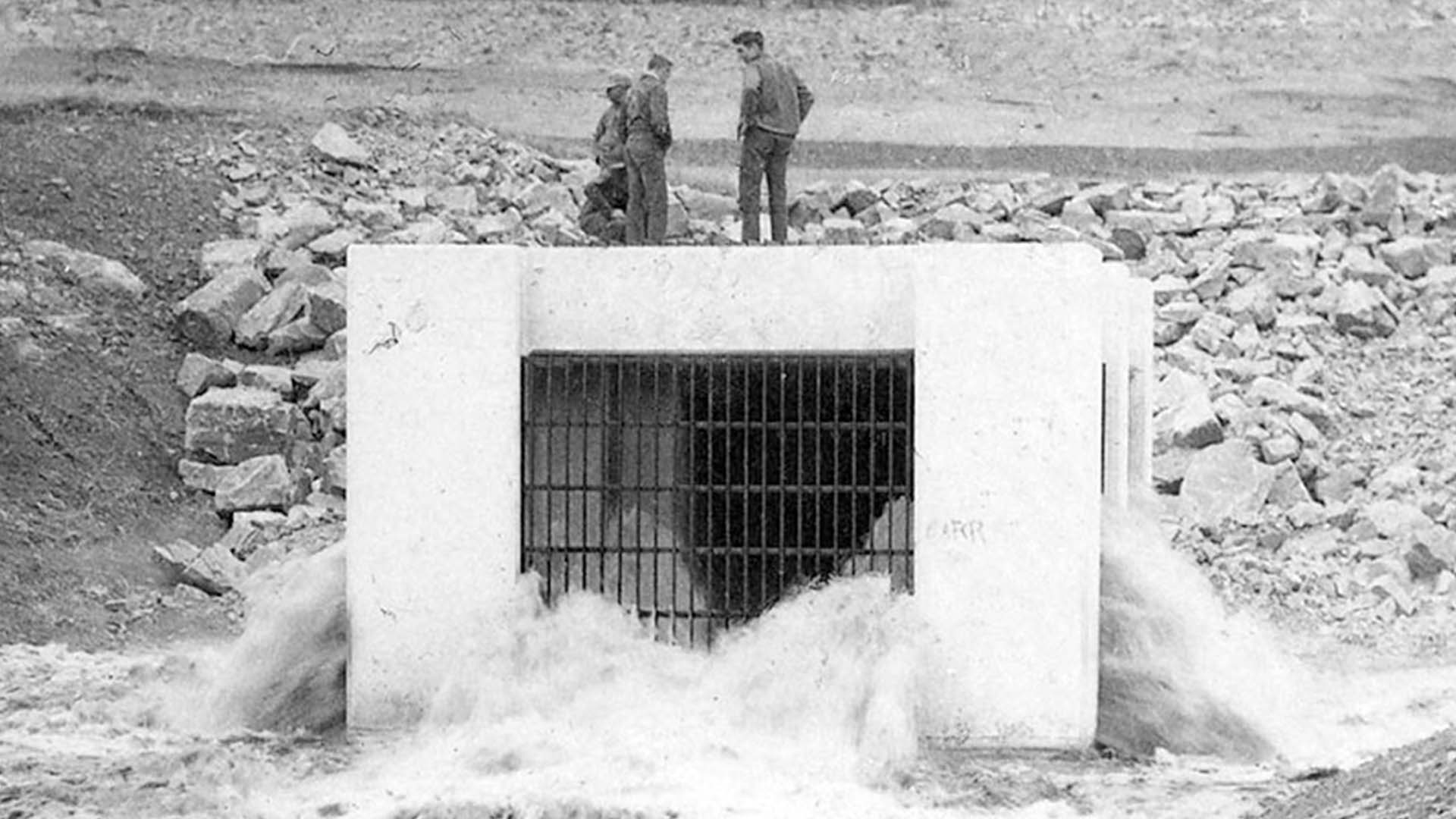
Water is pumped into Carter Lake for the first time on Feb. 26, 1954.

Municipal Subdistrict
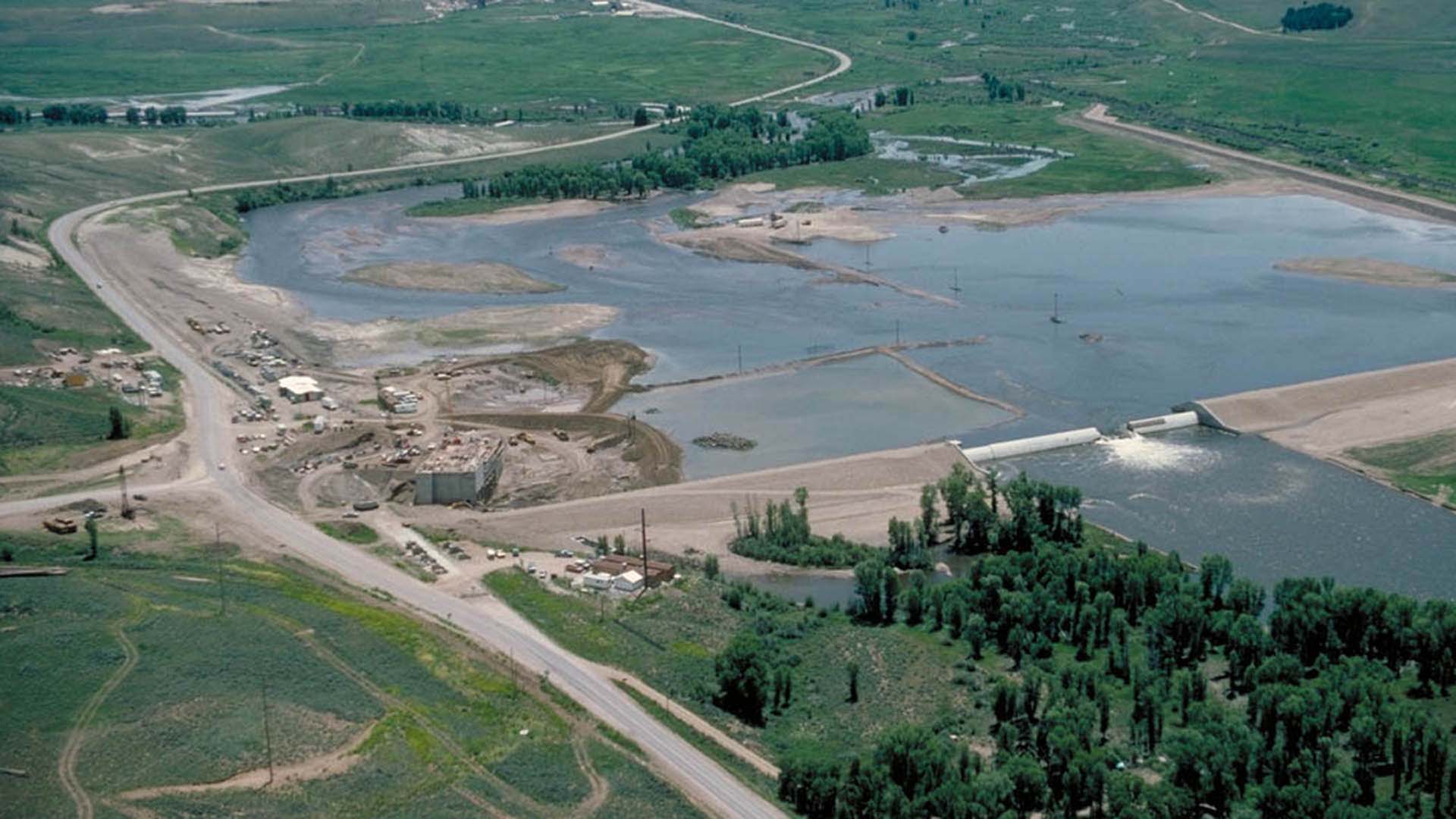
Front Range communities experience rapid growth in the late 1960s, six Front Range communities, Boulder, Estes Park, Fort Collins, Greeley, Longmont and Loveland, recognized the need for more water supplies to support their growing communities. In the summer of 1967, they secured a water right on the Colorado River and began exploring wats to bring that water to the communities east of the Continental Divide.  

The cities envisioned a project that could would divert water from the river on the West Slope and use the C-BT Project infrastructure to deliver it to users on the East Slope. The proposed project site was located in Grand County, Colorado at a geologic feature called Windy Gap, just below the confluence of the Colorado and Fraser rivers, giving the project its name. 

As planning progressed, the participants recognized that developing and operating such a complex project would require a stronger organization than they could provide independently. To meet that need, the Municipal Subdistrict was formally established on July 6, 1970, with the same powers and legal standing as Northern Water, its parent district. 

Windy Gap Project construction began in July 1981. The project was completed in 1985 and started delivering water to Municipal Subdistrict participants in July of that year, providing a new supplemental water supply to help meet the needs of Northern Colorado’s growing communities.

Today, nine municipalities, two water districts and a power provider are working together to improve the reliability of Windy Gap deliveries through the Windy Gap Firming Project. Construction began on Chimney Hollow Reservoir—the centerpiece of the Windy Gap Firming Project—in August 2021 and was complete in late 2025. 


Construction on the Windy Gap Reservoir and Pump Plant in the 1980s.

Governing Board of Directors

Northern Water and the Municipal Subdistrict operate through the leadership of a 13-member Board of Directors that establish policy and strategic direction. Directors from the eight counties within Northern Water’s boundaries are appointed to four-year terms by district court judges. The Municipal Subdistrict Board elects its own officers, but its directors are the same as the Northern Water Board.  

Learn More About Our Board of Directors

Serving Eight Northeastern Colorado Counties
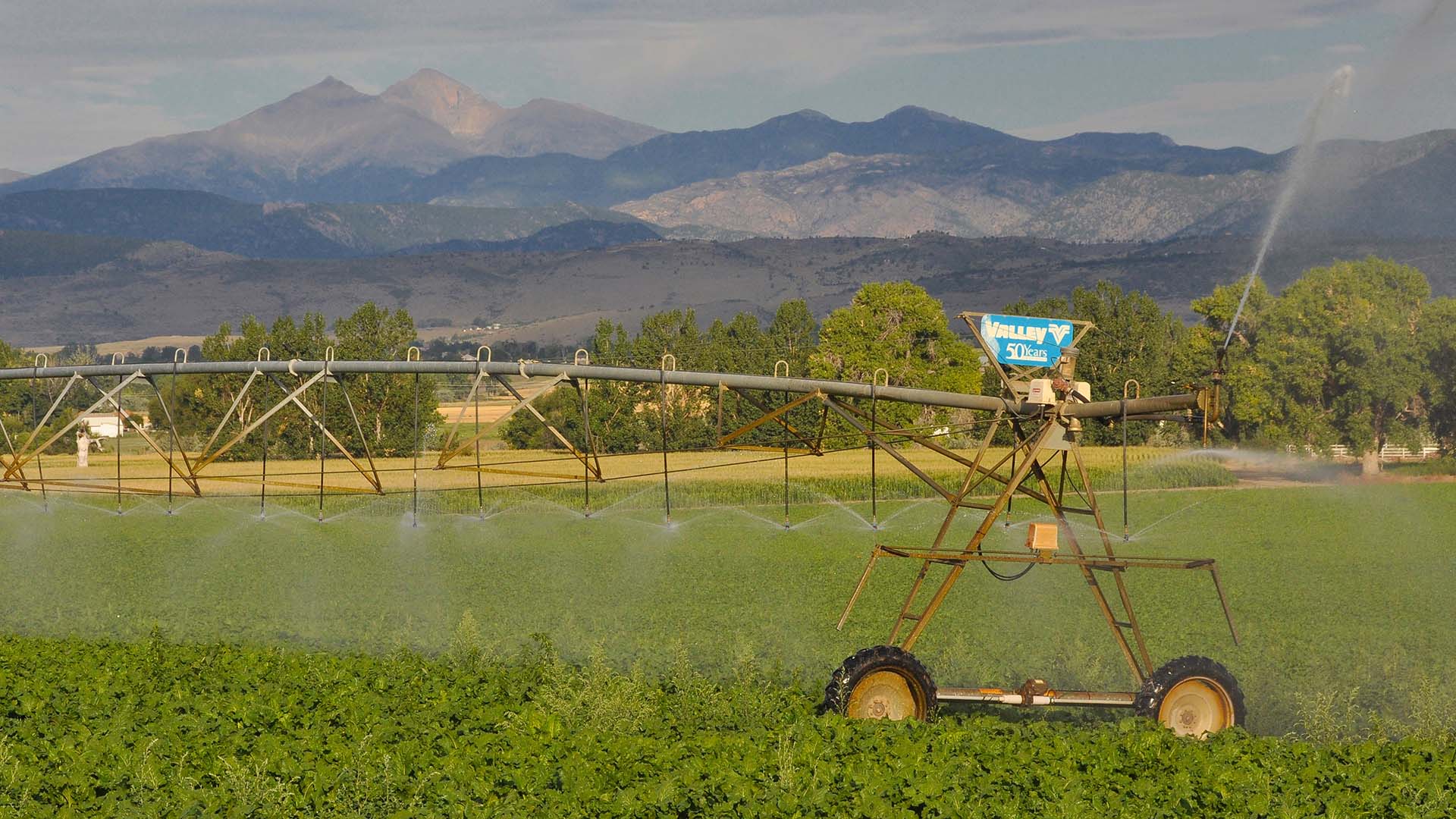
Agricultural pivot water crops with the Front Range mountains in the background.

Growing Service Area


With growth continuing in Northeastern Colorado, we now serve more than 1.1 million residents within Northern Water’s service area. This area encompasses 1.6 million acres in portions of eight counties: Boulder, Broomfield, Larimer, Logan, Morgan, Sedgwick, Washington and Weld.  

Water for 120+ Reservoir and Irrigation Companies

Northern Water provides cities, towns, rural-domestic water districts and industries with year-round water deliveries. Furthermore, during the primary growing season between April and October, we also deliver water to more than 120 ditch, reservoir and irrigation companies serving thousands of farms and more than 500,000 acres.  

History

Northern Water has a rich history rooted in the development of the C-BT Project. Established in 1937, the organization was created to partner with the U.S. Bureau of Reclamation to bring supplemental water from the Western Slope underneath the Continental Divide to support farms, communities and industry along Colorado’s Front Range. 

Through the decades, Northern Water has expanded alongside the region it serves—developing new infrastructure, partnerships and projects to meet growing demand—while remaining focused on its core mission of reliably collecting, managing and delivering water to sustain Northern Colorado’s people, economy and environment.

View Our History Timeline
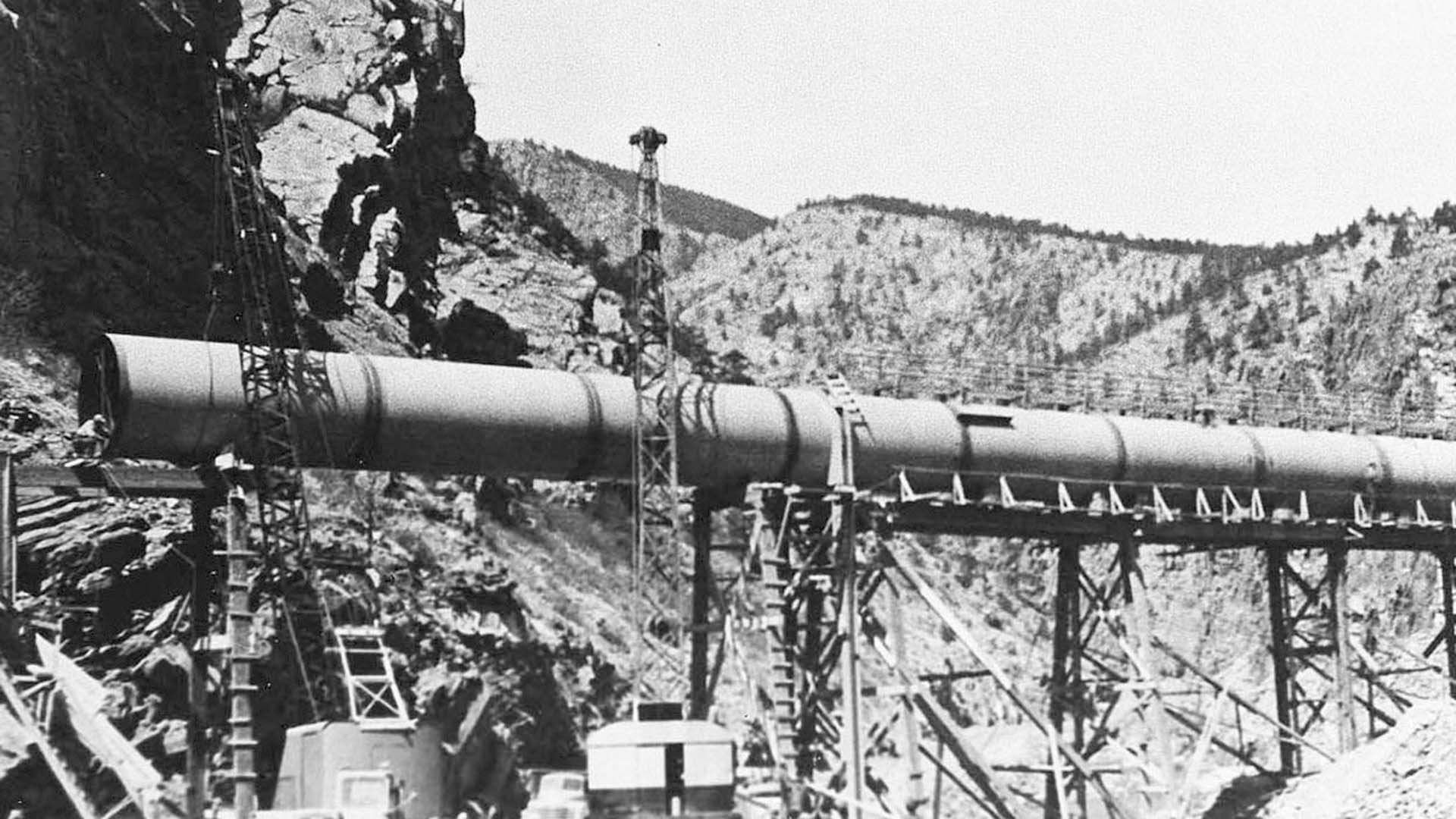
Construction of the Big Thompson Siphon over Highway 34 west of Loveland.
 
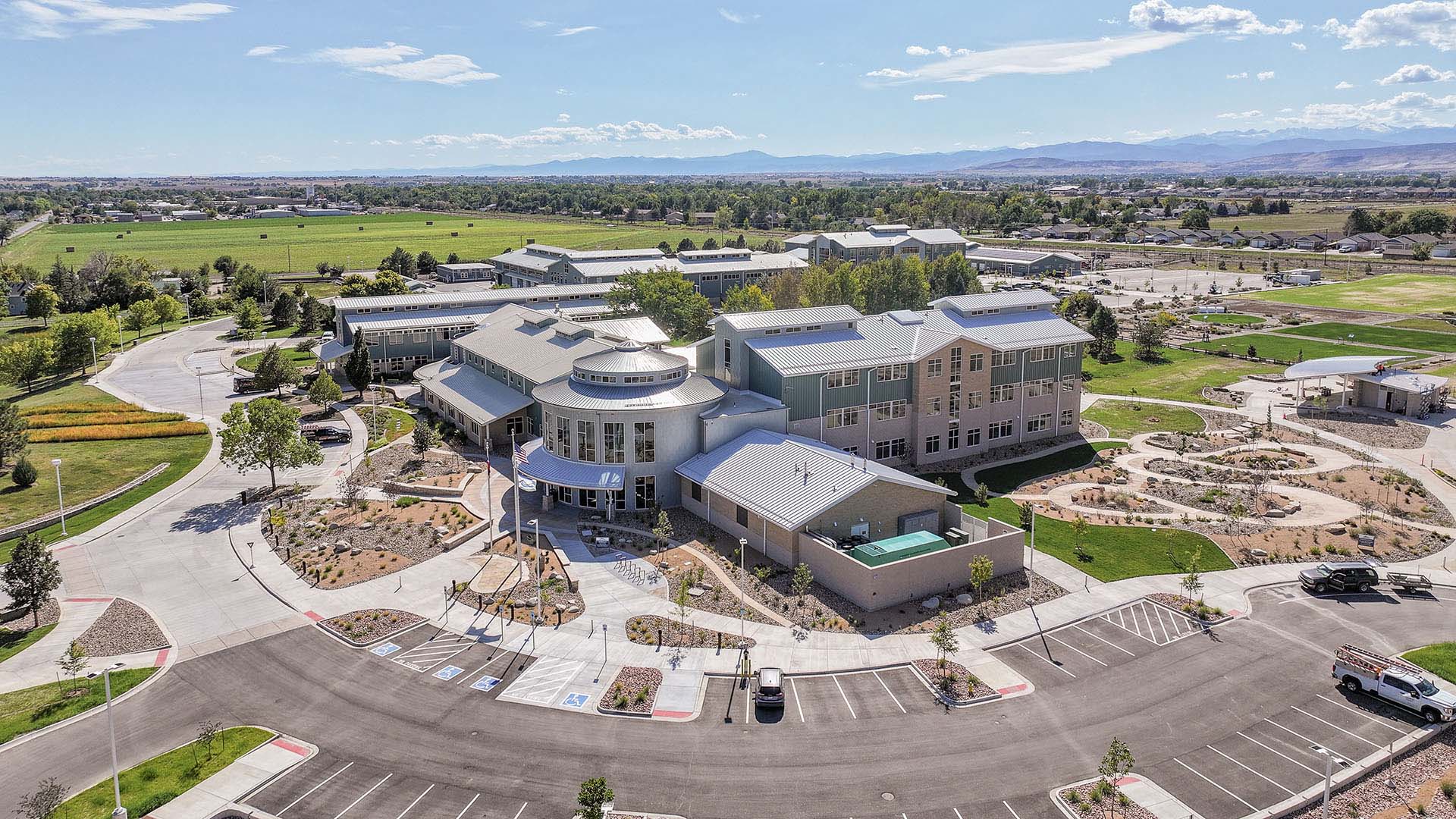
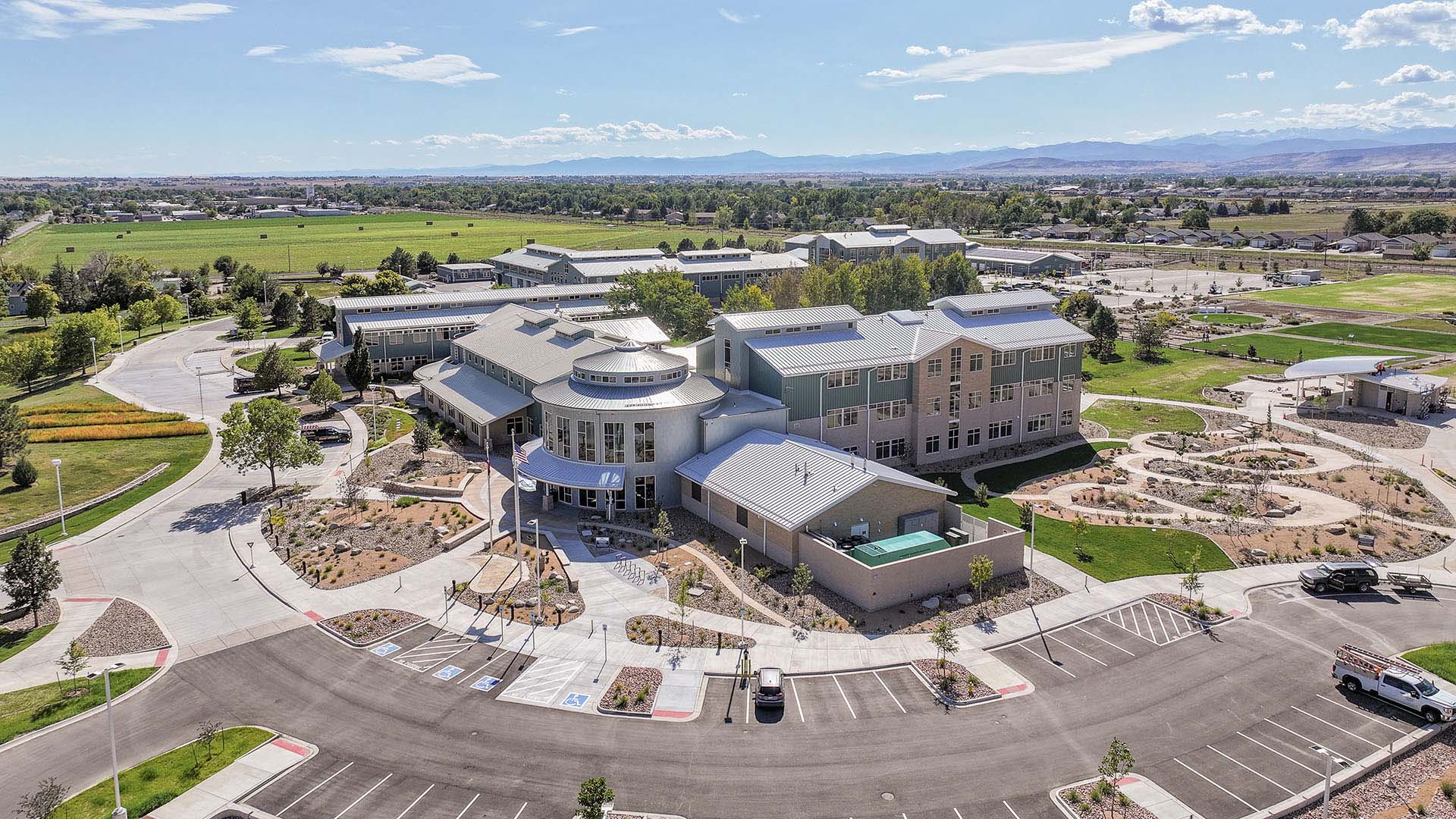
Aerial image of Northern Water Berthoud Campus with multiple buildings, parking lots, gardens.

Northern Water Locations

Northern Water is a dynamic and growing organization with nearly 200 full-time employees, the majority of whom are based at its headquarters in Berthoud. The main campus features administrative offices, maintenance shops, equipment storage facilities and the Conservation Campus, which reflects the organization’s commitment to education and stewardship. An additional team of approximately 25 employees operates from the Willow Creek Campus in Grand County on Colorado’s West Slope.

As Northern Water advances critical projects to meet the future water needs of Northeastern Colorado, its workforce continues to expand. The organization offers a wide range of career opportunities for motivated individuals seeking to contribute to innovative water management solutions and play a meaningful role in sustaining the region’s water supplies for generations to come.