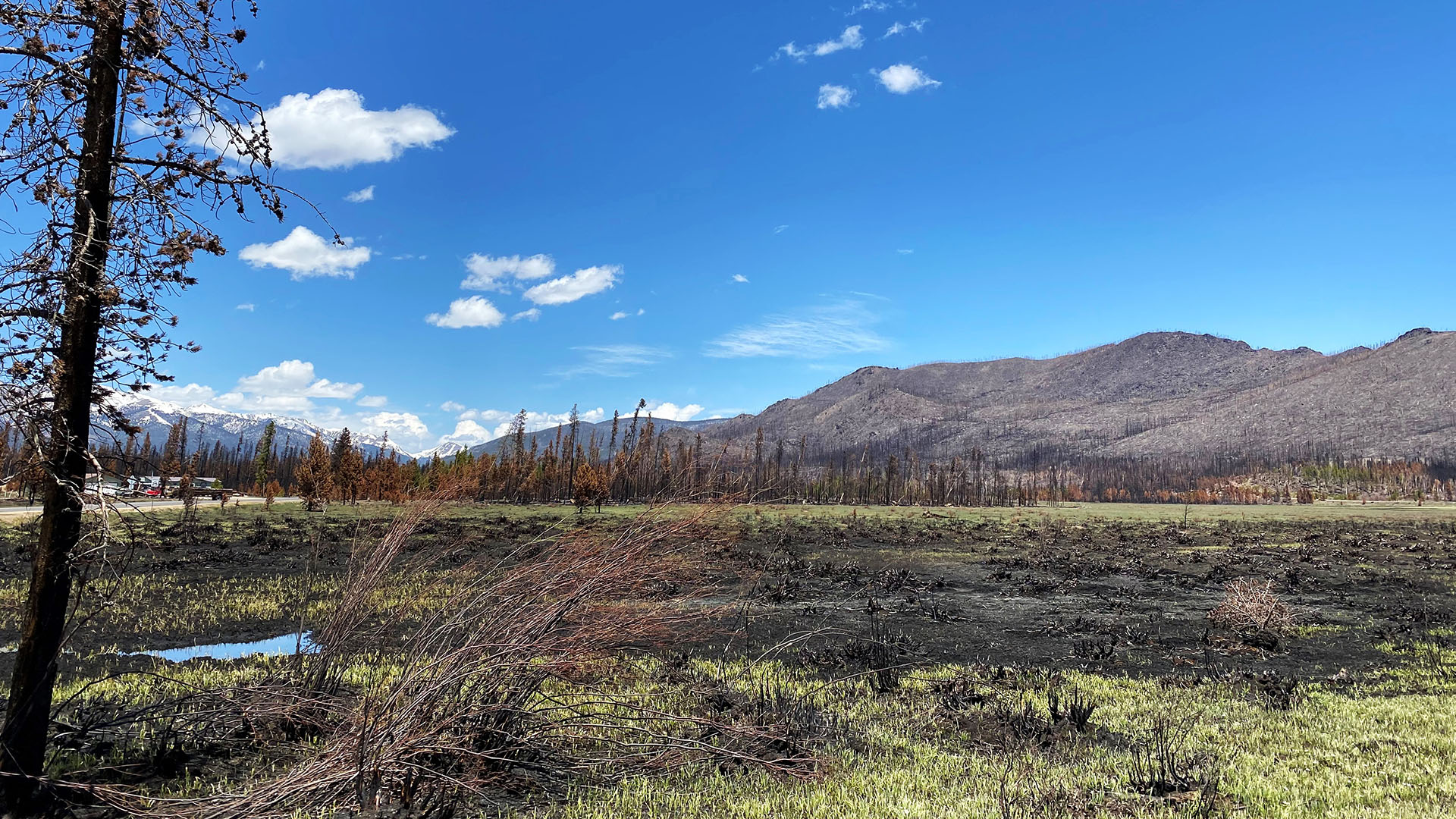
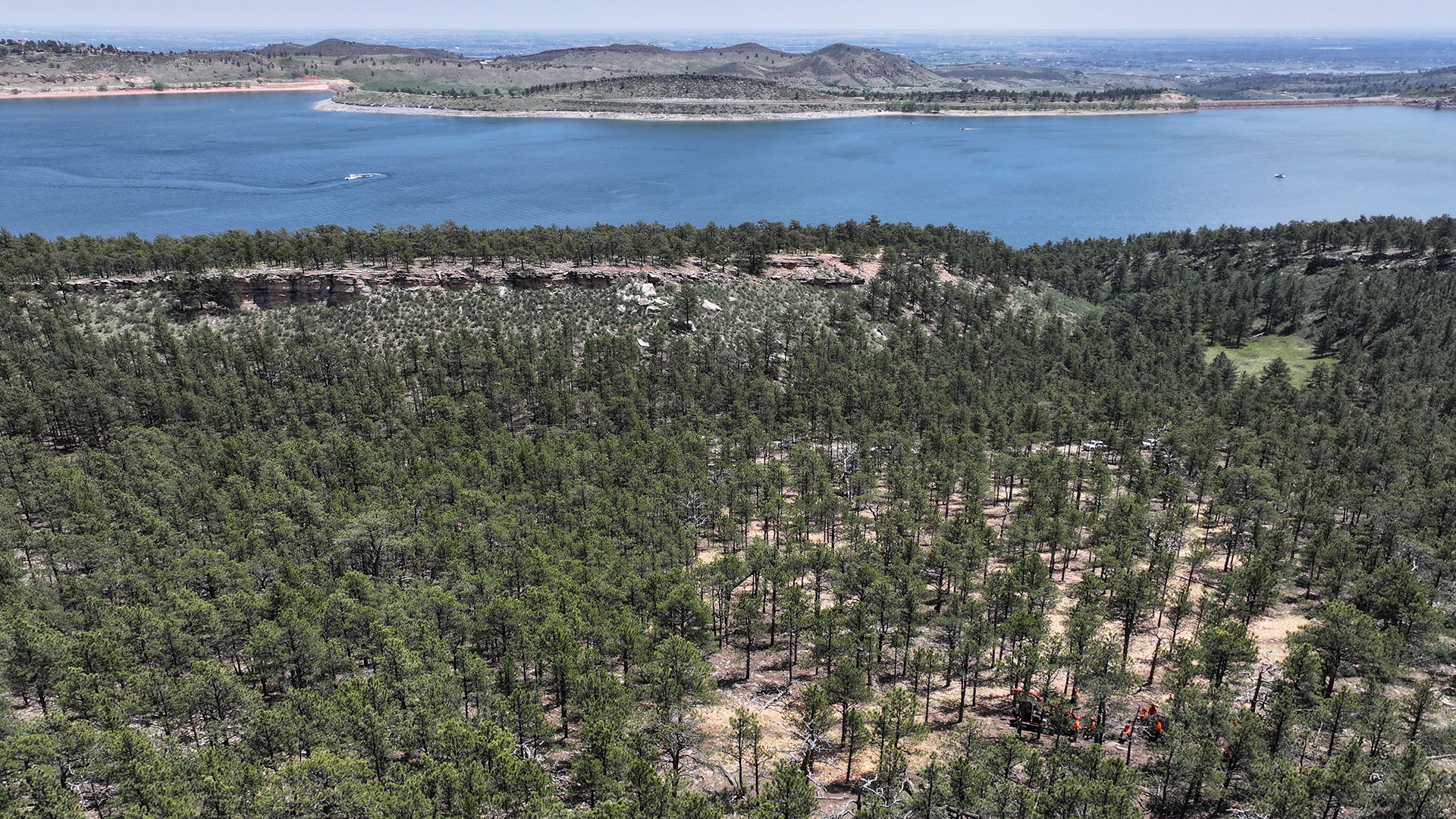
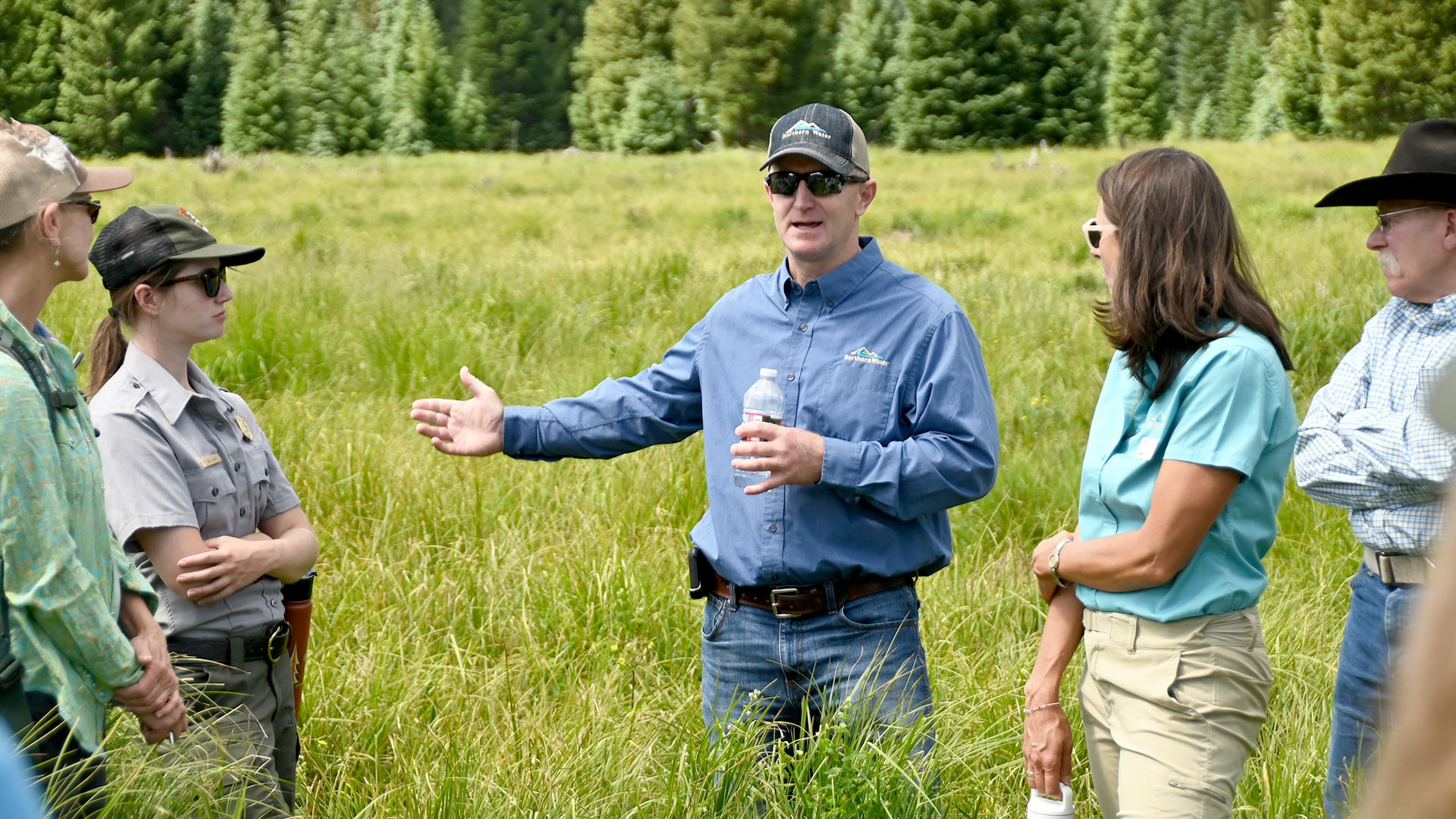
Healthy forests are the foundation of clean, reliable water. Forested watersheds serve as nature’s filtration system — regulating streamflow, stabilizing soils and capturing pollutants before they reach reservoirs and water distribution networks. For Northern Water, maintaining forest health is a cornerstone of our source water protection strategy.
Our water supply infrastructure — including the Colorado-Big Thompson, Windy Gap and Windy Gap Firming projects, and the Northern Integrated Supply Project — depends on high-elevation watersheds that face growing threats from wildfire, climate change and ecological decline.
Northern Water’s Source Water Protection Area (SWPA) encompasses more than 2 million acres, with roughly 1.3 million acres (62 percent) classified as forested. These forests span both the East and West Slopes of the Continental Divide, forming a critical buffer that safeguards water quality for communities across northeastern Colorado.
Land ownership within the SWPA is diverse and presents both opportunities and challenges for forest management. More than 70 percent of forested lands are federally managed — primarily by the U.S. Forest Service and National Park Service — while 19 percent are privately owned, and the remainder are managed by state, local and conservation entities.