The Windy Gap Project traces its origins to the summer of 1967, when Longmont Mayor Ralph Price filed for Colorado River water rights. He acted as trustee for a coalition of six northern Colorado cities — Boulder, Estes Park, Fort Collins, Greeley, Longmont and Loveland.
The proposed project site lies at Windy Gap, a geologic cut just below where the Colorado and Fraser rivers meet. From the outset, the cities identified this location as a potential long-term water supply to support the rapidly growing northern Front Range.
After evaluating population growth trends and projected water demand, the coalition determined that developing the Windy Gap Project would be the most effective way to meet their future municipal water needs.
In 1969, the participants realized that the work and expertise needed to build Windy Gap Project required a stronger organization than they could provide independently. The Municipal Subdistrict was formally established on July 6, 1970 with the same powers and legal standing as Northern Water, the “parent’ district.
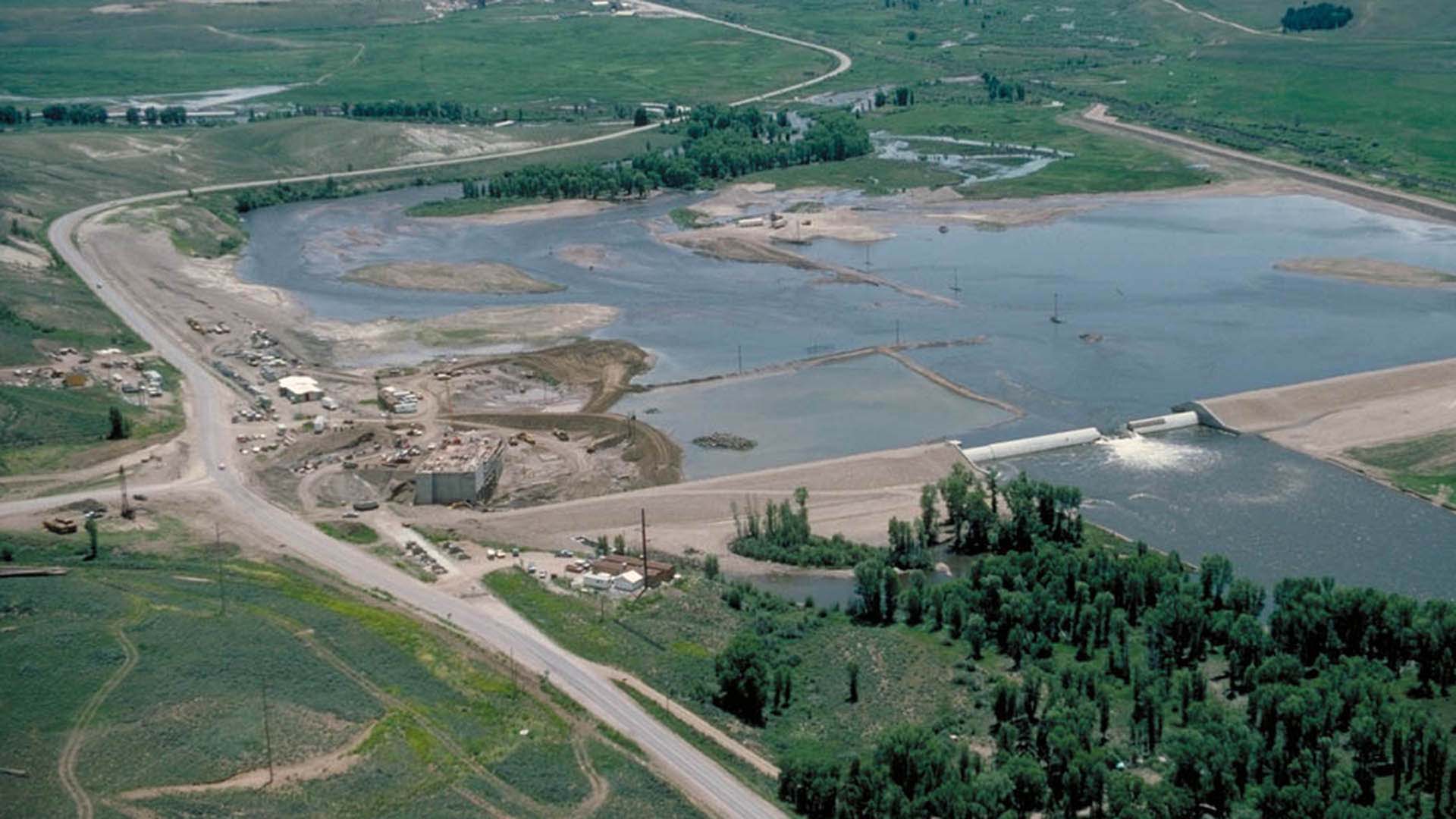
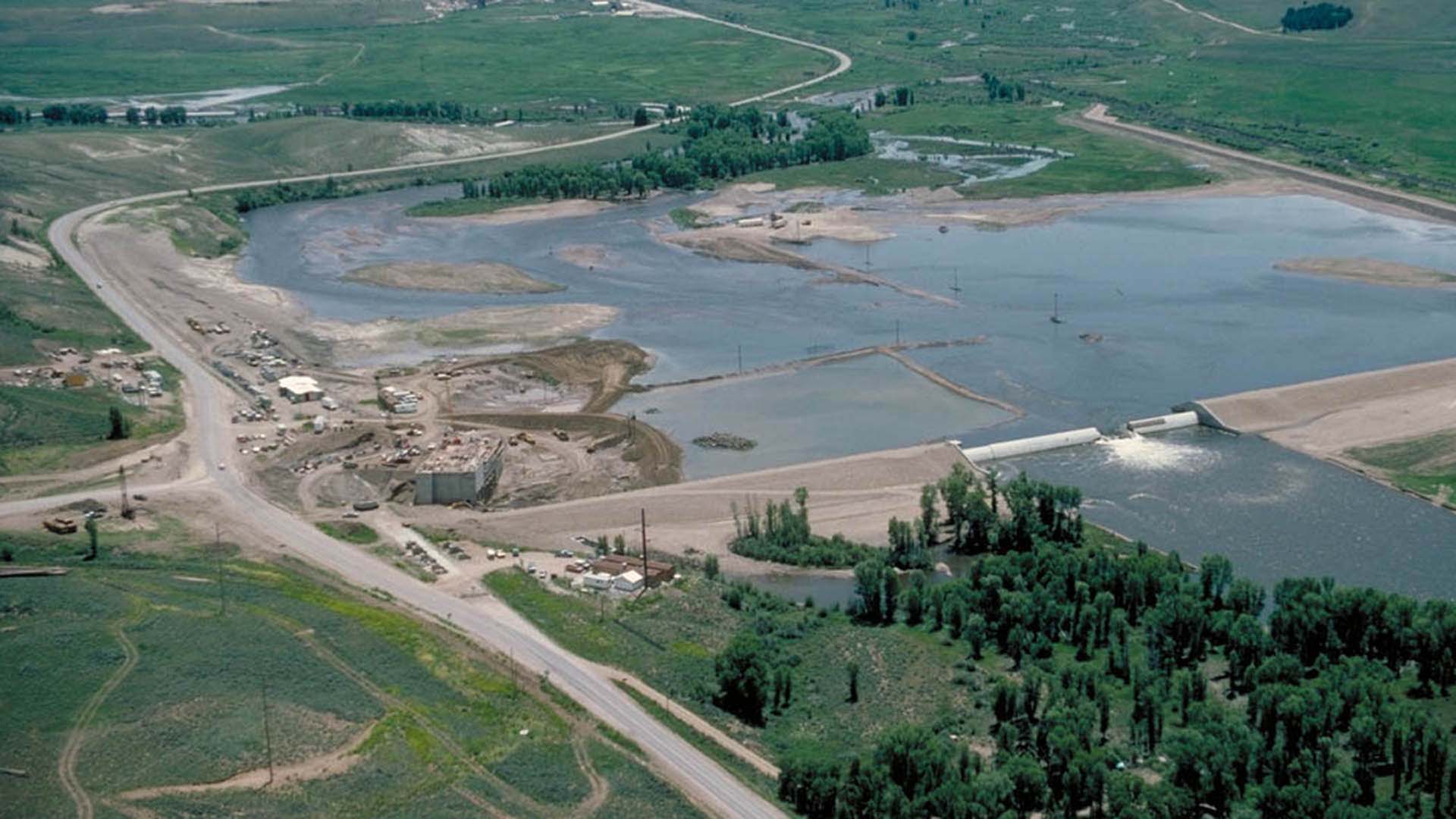
Following completion and approval of an Environmental Impact Statement and acquisition of 23 permits and licenses, Windy Gap Project construction began in July 1981. The project was completed in 1985 and began delivering water to Municipal Subdistrict allottees that same year.
After its formation, the Municipal Subdistrict negotiated a carriage contract with the U.S. Bureau of Reclamation and Northern Water specifying how Windy Gap water would be stored and carried to the East Slope cities through the Colorado-Big Thompson (C-BT) Project. The carriage contract was executed in October 1973 and is crucial for the Windy Gap Project. With the ability to use a portion of the C-BT Project’s storage and conveyance capacity, the Windy Gap Project is economically and environmentally viable.
Construction
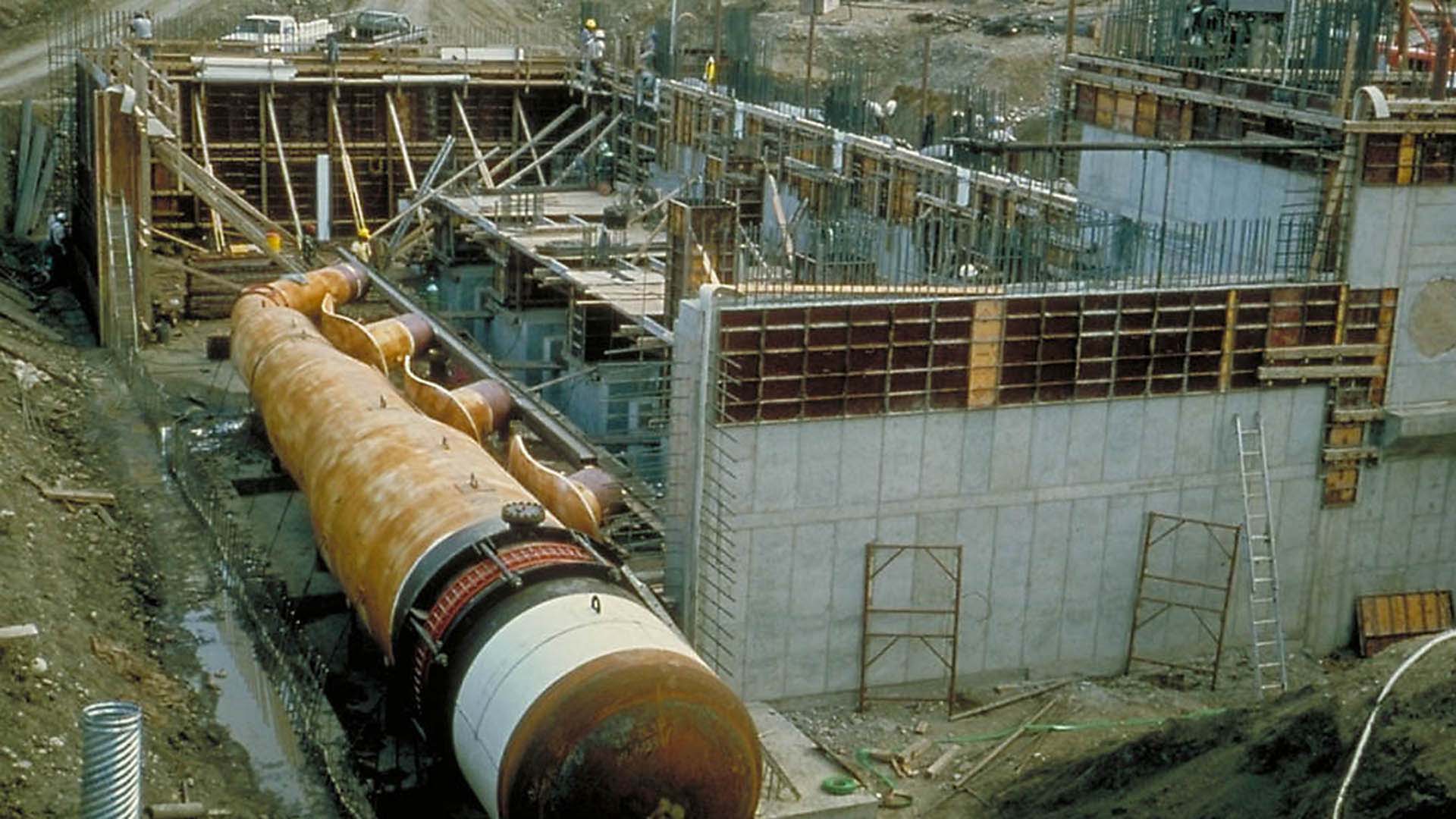
Windy Gap construction officially began with a groundbreaking ceremony on July 11, 1981, following nearly 17 years of planning and negotiations. International Engineering Company managed the project, Western States Construction Company built the pump plant and part of the pipeline, and Johnson Brothers Corporation installed the remainder of the pipeline.
Despite a flood at the pumping plant in 1983 and a shutdown for archaeological investigations, the project was completed within four years at a total cost of approximately $120 million. After a testing period the Windy Gap Project was ready to operate the spring of 1985.
Archaeological Findings Provide Connection to the Past
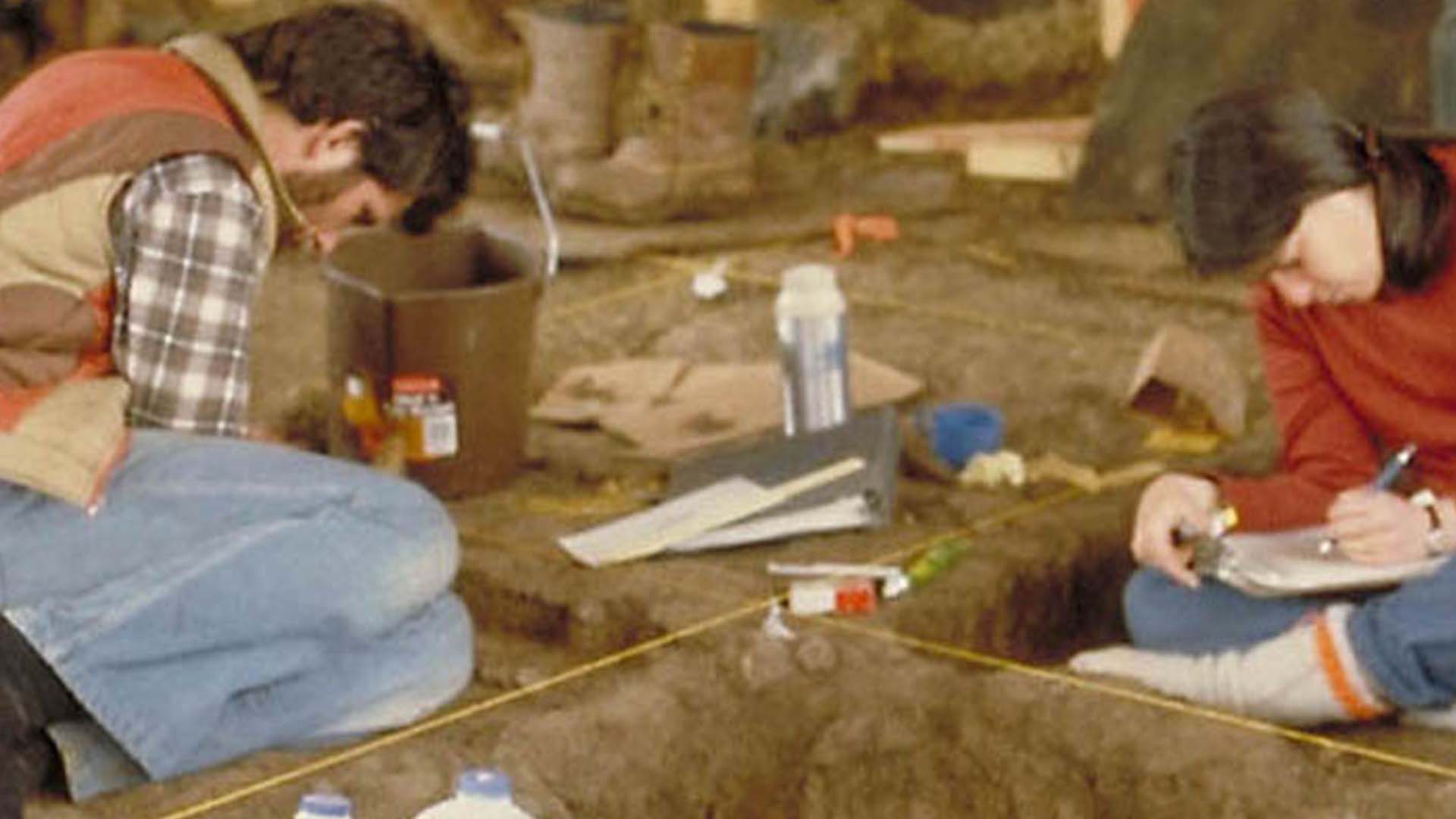
Archaeology played an important role during Windy Gap Project construction. While excavating the pipeline route in September 1981 north of Granby, crews unearthed several Native American ruins dating back 4,000 to 8,000 years.
Construction halted and archaeologists from Western Cultural Resource Management of Boulder excavated the sites, which were later deemed eligible for placement on the National Register of Historic Places. Since the dig sites were on private property and therefore ineligible for federal funding, the Subdistrict provided $370,000 to excavate and study the finds. The federal government obtained an additional $85,000 from private foundations.
Pipeline construction resumed in August 1982. The Grand County Museum in Hot Sulphur Springs contains an exhibit about the archaeological excavations, including a scale model and representations of the artifacts. The museum also features a related exhibit about Native Americans.