Pump Plants

Colorado-Big Thompson Project Pump Plants

As water is collected, stored and transported through the Colorado-Big Thompson (C-BT) Project, pump plants lift the water vertically in several locations on both sides of the Continental Divide in order to deliver C-BT Project water to Northeastern Colorado.

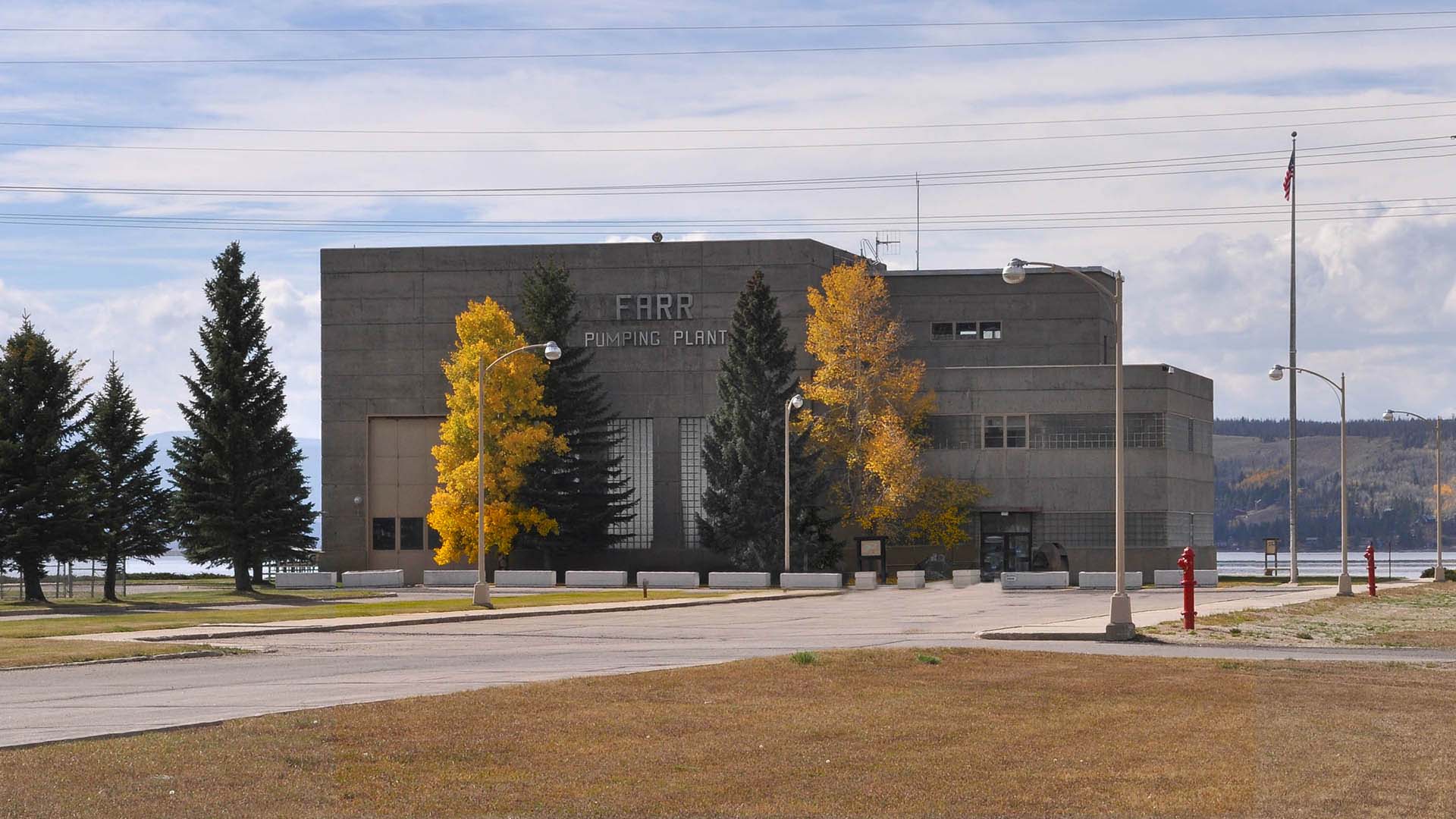
Farr Pump Plant

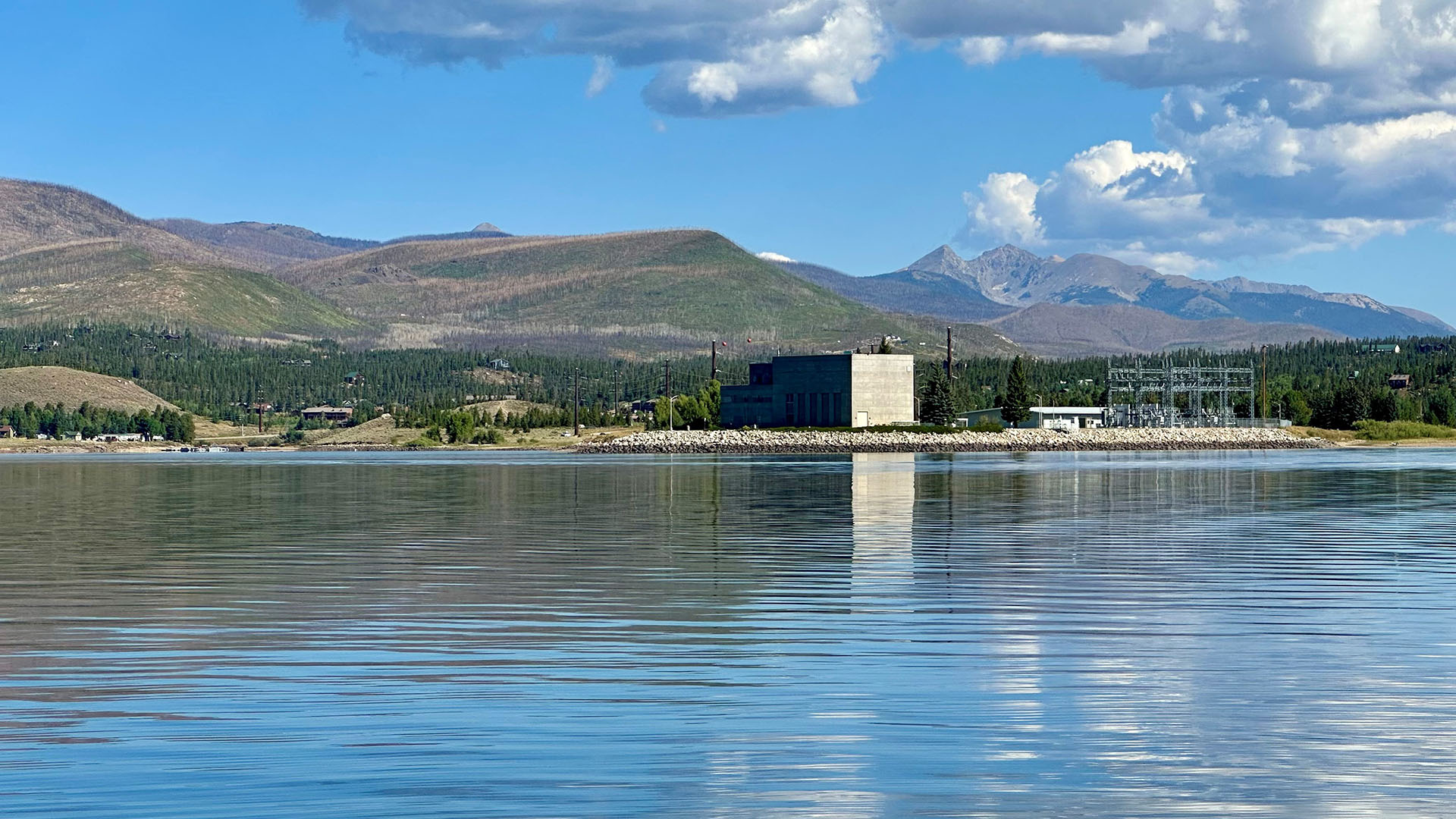
Farr Pump Plant 

Located on the north shore of Lake Granby, the Farr Pump Plant lifts water into the Granby Pump Canal, where it flows by gravity to Shadow Mountain Reservoir. The lift ranges from 92 to 186 vertical feet, depending on Lake Granby’s elevation. From Shadow Mountain Reservoir, water moves through a connecting channel to Grand Lake, then enters the West Portal of the Adams Tunnel, traveling beneath the Continental Divide to supply Northeastern Colorado water users.

The reinforced concrete structure rises 187 feet—roughly equivalent to a 16-story building—with nearly 140 feet below ground. Its base slab contains 3,100 cubic yards of reinforced concrete and is nearly 9 feet thick. The plant is equipped with three vertical-shaft pumps powered by three 6,000-horsepower motors. 

Power for pumping operations is generated by C-BT Project water passing through turbines at the Estes Power Plant on the East Slope and by Blue River water flowing through the Green Mountain Power Plant on the West Slope. Electricity from the Estes Power Plant is transmitted to the Farr Pump Plant via a line running through the Adams Tunnel.

Constructed between 1947 and 1951, the facility cost $8.1 million to build. Originally named the Granby Pump Plant, the facility was renamed in 1994 to honor the Farr family of Weld County for their contributions to natural resource conservation, water development and agricultural innovation in Colorado.
Flatiron Power Plant

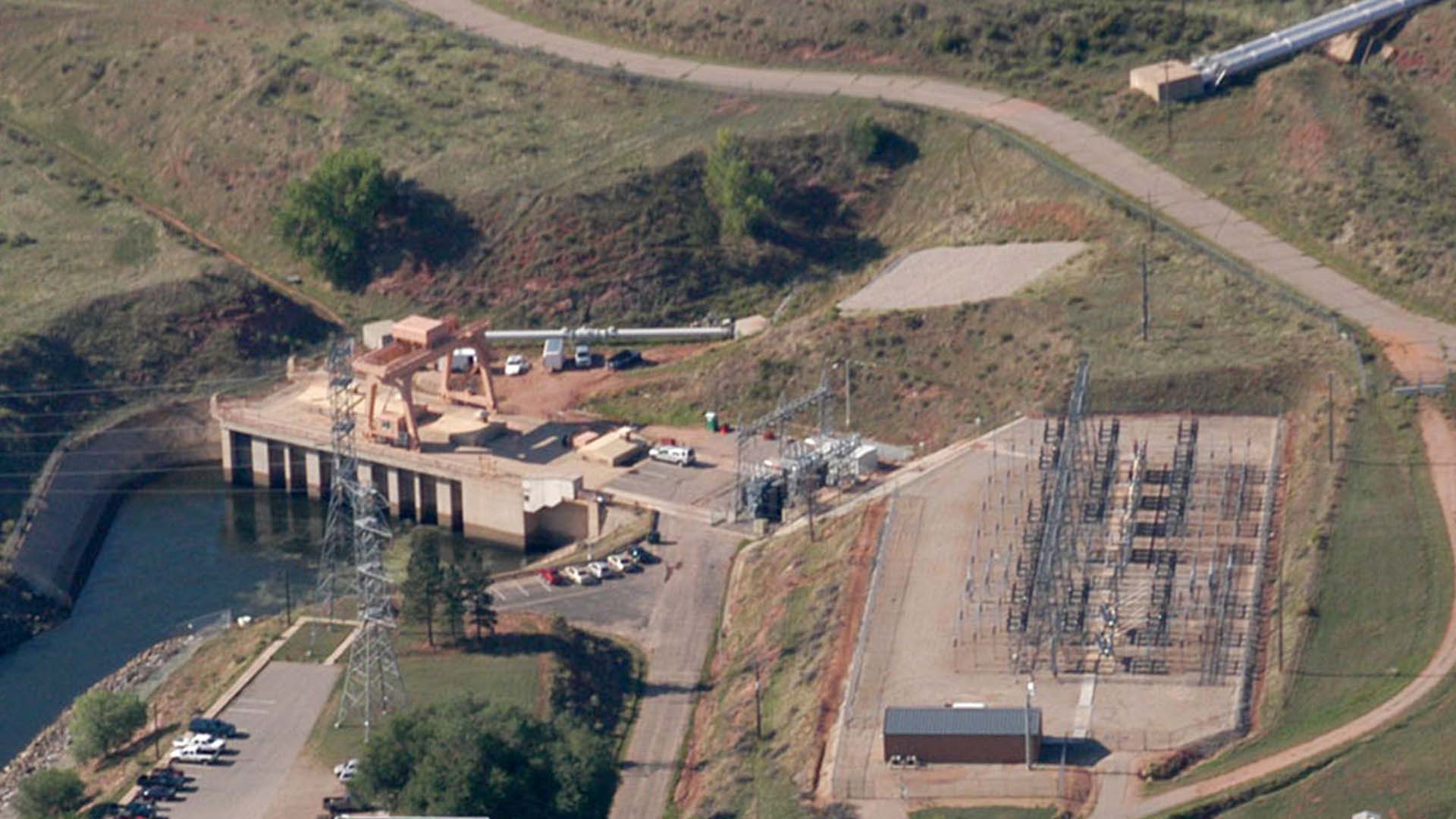
Flatiron Power Plant Unit 3

The Flatiron Power Plant is located on Flatiron Reservoir northwest of Carter Lake. The plant’s Unit 1 and Unit 2 produce hydroelectric power as water from the Flatiron Penstocks flows through both units’ turbines and into Flatiron Reservoir, the power plant’s afterbay. Unit 3 at the plant is a reversible pump used to lift water from Flatiron Reservoir 297 vertical feet through a pressure conduit and tunnel to Carter Lake. If flow is reversed through the pressure conduit and tunnel, Unit 3 is designed to act as a turbine-generator to produce hydroelectricity. Throughout the history of the C-BT Project, Unit 3 has been used almost exclusively to lift water from Flatiron Reservoir to Carter Lake.

Willow Creek Pump Plant

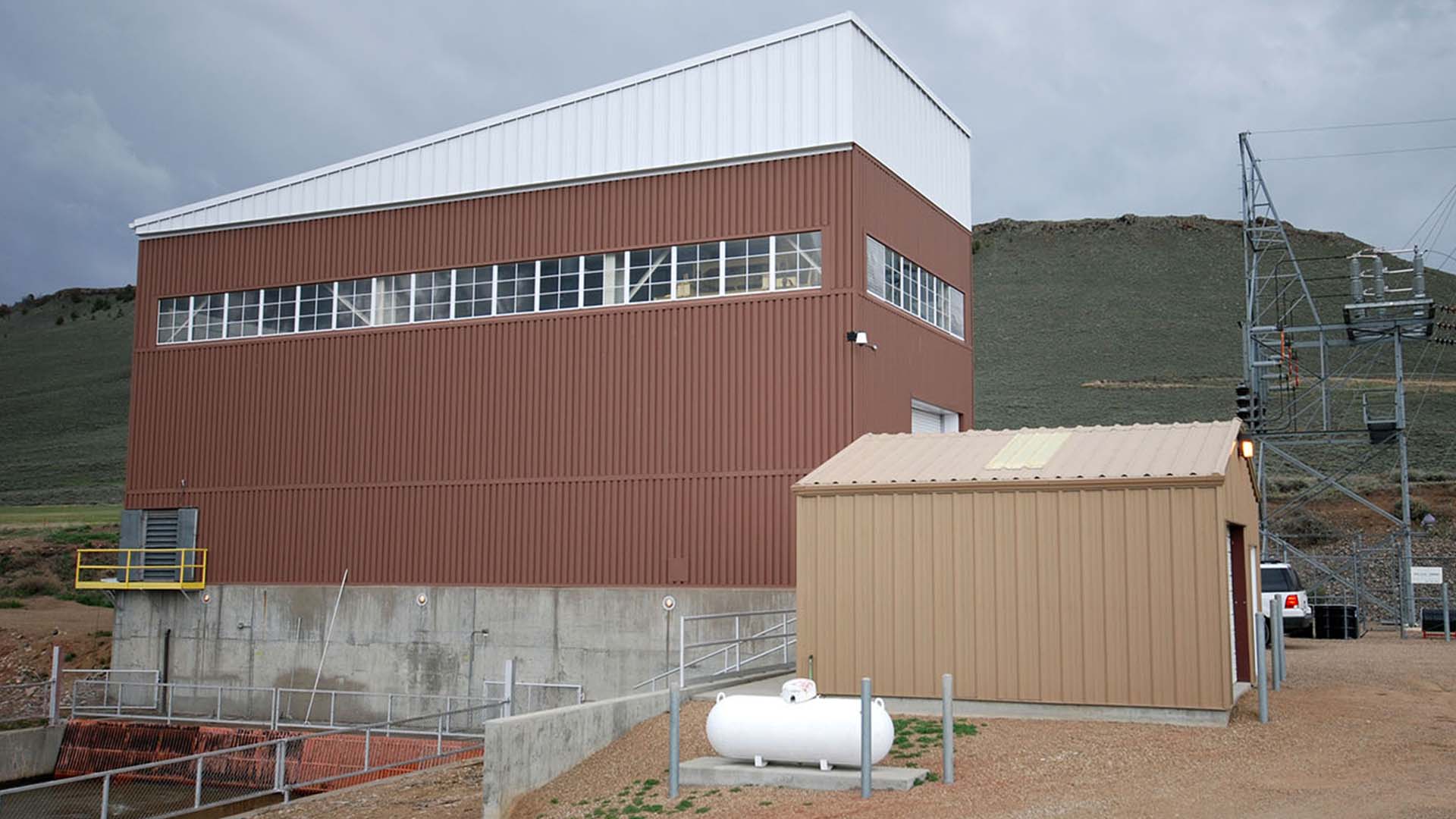
Willow Creek Pump Plant 

The Willow Creek Pump Plant is located on the Willow Creek Pump Canal west of Lake Granby. Willow Creek Reservoir, two miles west of Lake Granby, captures snowmelt runoff in the Willow Creek Basin. Willow Creek enters the west end of the reservoir and exits the east end at the dam before flowing into the Colorado River. Water from the reservoir enters the Willow Creek Pump Canal and flows east to the Willow Creek Pump Plant, where it is lifted 175 feet and delivered to Lake Granby. Willow Creek Reservoir, the pump plant and canals were built between 1951 and 1953, during the last major construction phase of the C-BT Project's West Slope collection system.

Windy Gap Project

The Windy Gap Project is located in Grand County on Colorado’s West Slope. The project consists of a diversion dam on the Colorado River, a 255-acre-foot reservoir, a pump plant and a six-mile pipeline to Lake Granby. Windy Gap water is pumped and stored in Lake Granby, part of the C-BT Project, before it is delivered to water users via the C-BT system.

Windy Gap Pump Plant

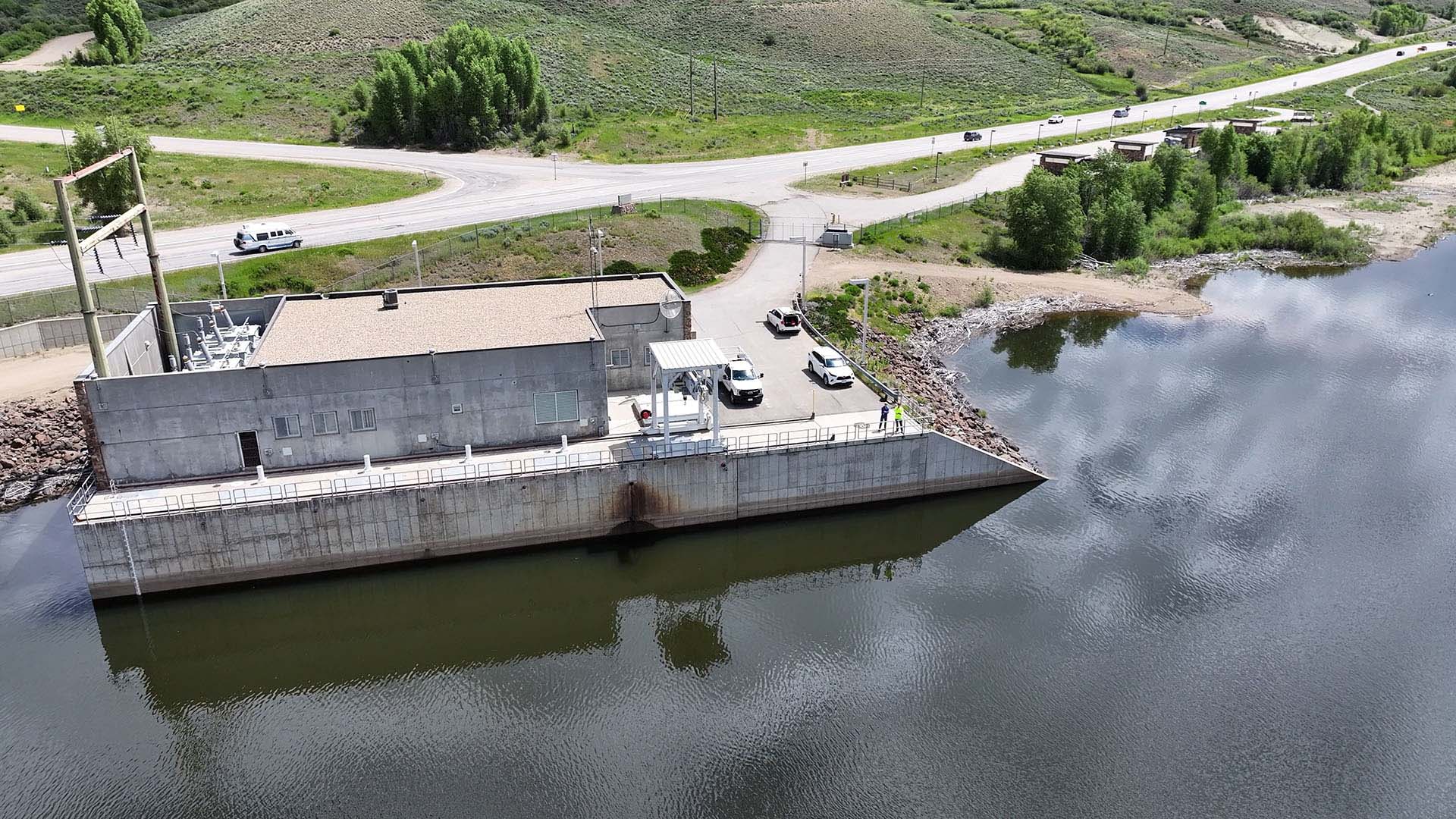
Windy Gap Pump Plant

During periods of high flows in the Colorado and Fraser rivers, water is pumped from Windy Gap Reservoir via the Windy Gap Pump Plant into Lake Granby, where it is stored for delivery through the C-BT Project facilities to water users on the Front Range. The Windy Gap Pump Plant and reservoir are located just west of the Town of Granby on the West Slope. The Windy Gap Pump Plant pumps water through a 6-mile pipeline to Lake Granby.