Smart Controllers

Smart Controllers Simplify Irrigation Scheduling
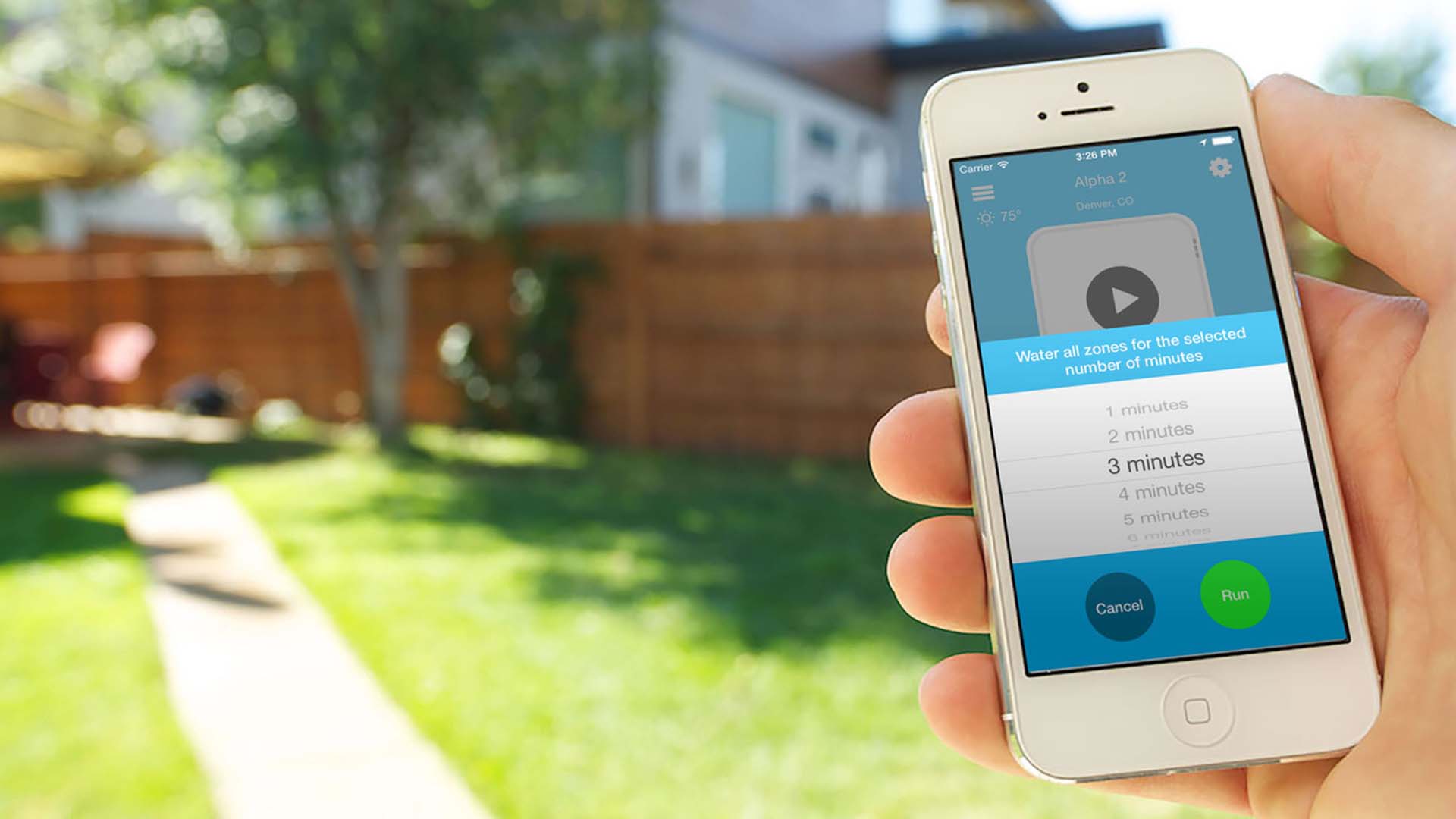
Smart irrigation controllers are designed to simplify when, how much and how long to water. Most irrigation professionals measure water in inches, while controllers operate in minutes — creating a common challenge: converting inches of water into run time.

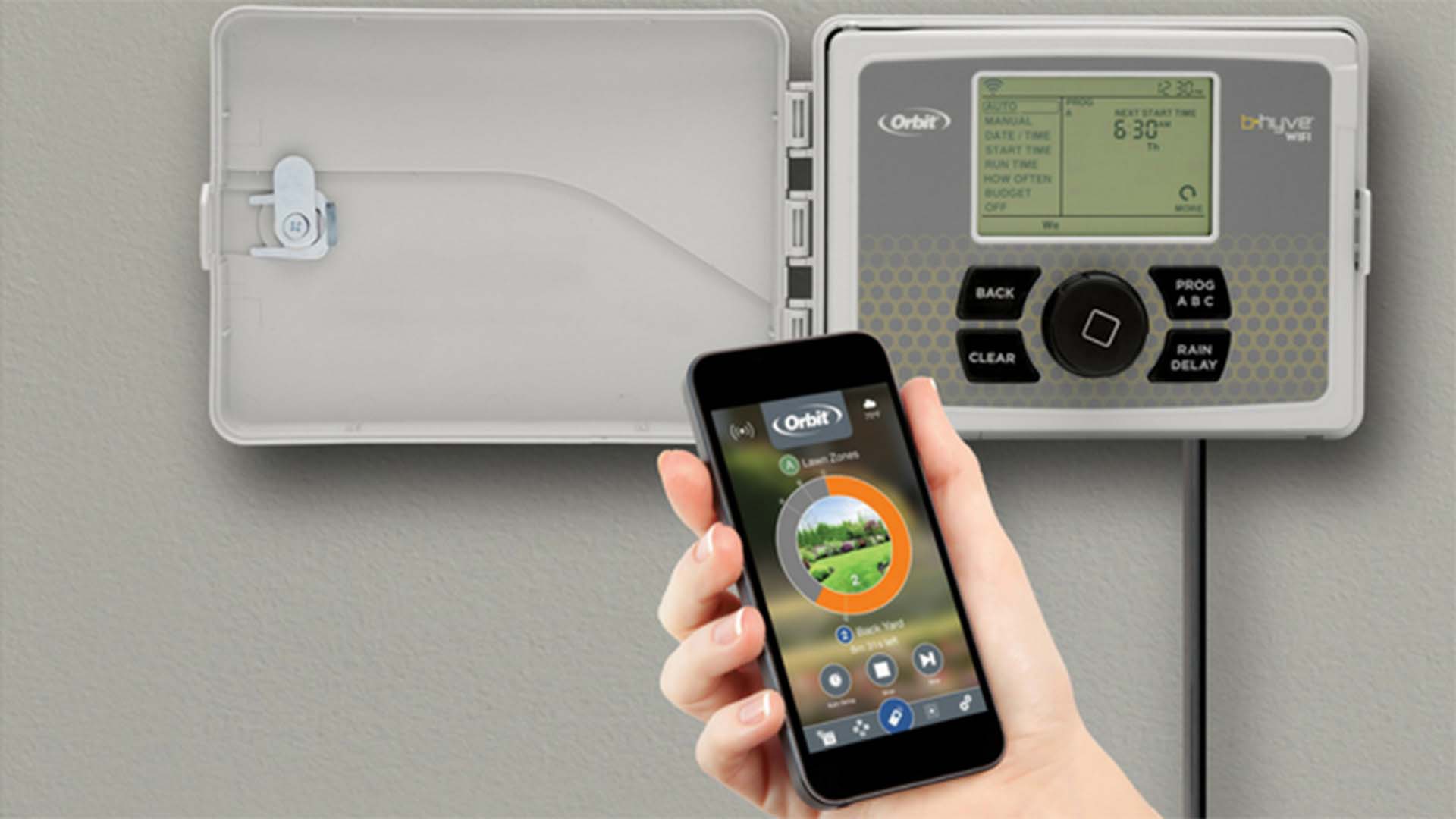
Human hand holding a cell phone in front of irrigation controller.

Types of Smart Controllers

  1. Weather-Based Controllers

    Weather-based controllers use ET data, rainfall, plant and soil types, sun exposure and sprinkler type to calculate irrigation needs. These systems rely on onboard sensors or connected weather data sources to adjust run times automatically after initial setup.

  2. Soil-Based Controllers

    Soil moisture-based controllers use in-ground sensors to measure moisture levels and trigger irrigation. Typically, a single sensor informs all zones. Inputs include soil type, site conditions and plant type.
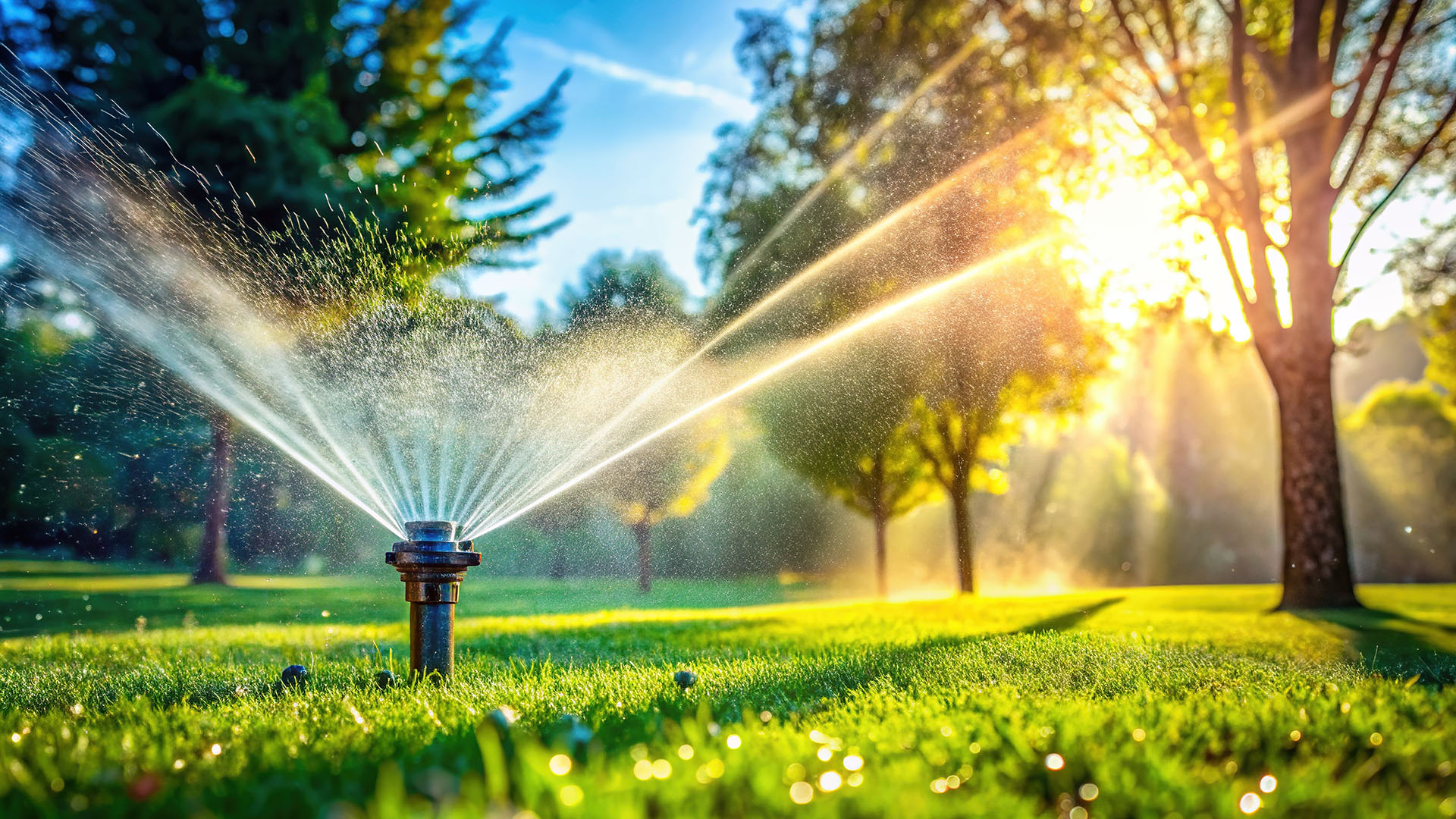

Sprinker pushing water into the air over lawn with trees in background.

Bridging Inches to Minutes

Traditional irrigation relies on knowing a system’s precipitation rate—how much water it applies per hour. This is typically determined through system audits or manufacturer specifications. For example, if a system applies one-half inch per hour and the lawn needs three-quarters of an inch, it should run for 90 minutes.

Determining how much water a lawn needs depends on weather factors such as temperature, sunlight, wind and evapotranspiration (ET), which measures water loss. Soil moisture also matters. Overwatering can saturate soil, limiting oxygen to roots and harming plant health.

Soil in two hands over the top of dirt.

Soil Type Is Critical

Soil type directly affects irrigation settings. Controllers use it to establish moisture thresholds, including the permanent wilting point—where plants can no longer recover—and the upper moisture limit.

Irrigation is triggered when soil moisture drops to a defined lower limit and continues until the upper limit is reached. The midpoint, known as managed allowable depletion (MAD), is typically set at about 50 percent for turf but varies by soil type.

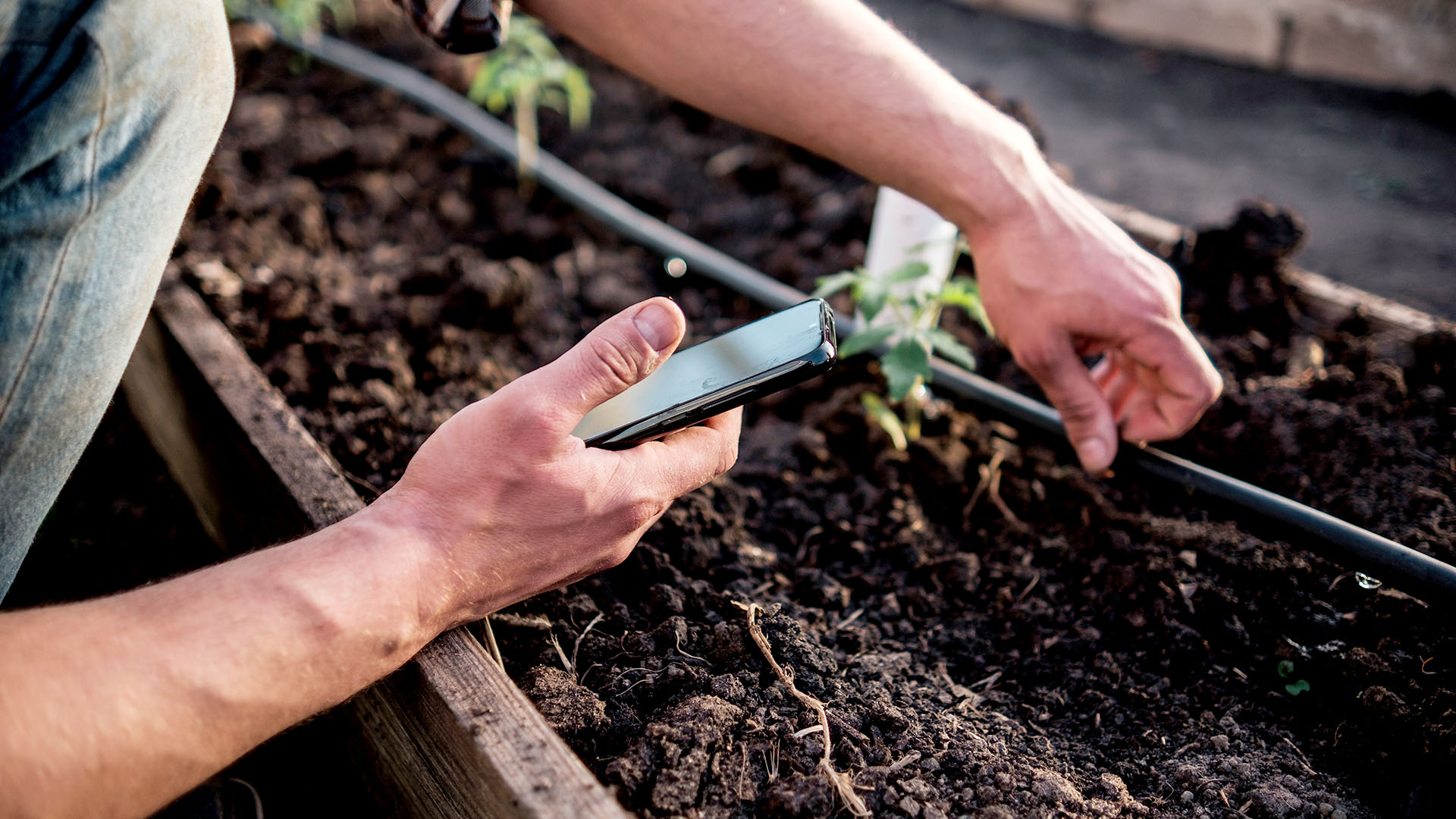
Man holding cell phone controlling irrigation while lifting up a drip hose in garden.

Proper Setup Drives Performance

Smart controllers can significantly improve irrigation efficiency, but only if properly set up and managed. Default settings often prioritize lush turf over water conservation, leading to overwatering.

To ensure optimal performance, compare controller settings with independent irrigation guidance. With proper calibration, smart controllers can effectively balance water savings and plant health.


Resource Central Program Assists in 'Smart' Irrigation Efforts

Check your eligibility for home irrigation audits by Resource Central’s outdoor sprinkler consultations. If your water provider is on the list, your community participates in the program and the service is free. 

The trained personnel can help you understand your irrigation system and how to run it efficiently. You will receive the results of your audit, recommendations for irrigation system improvements, and irrigation schedules, leaving your smart controller set up with the information it needs. 

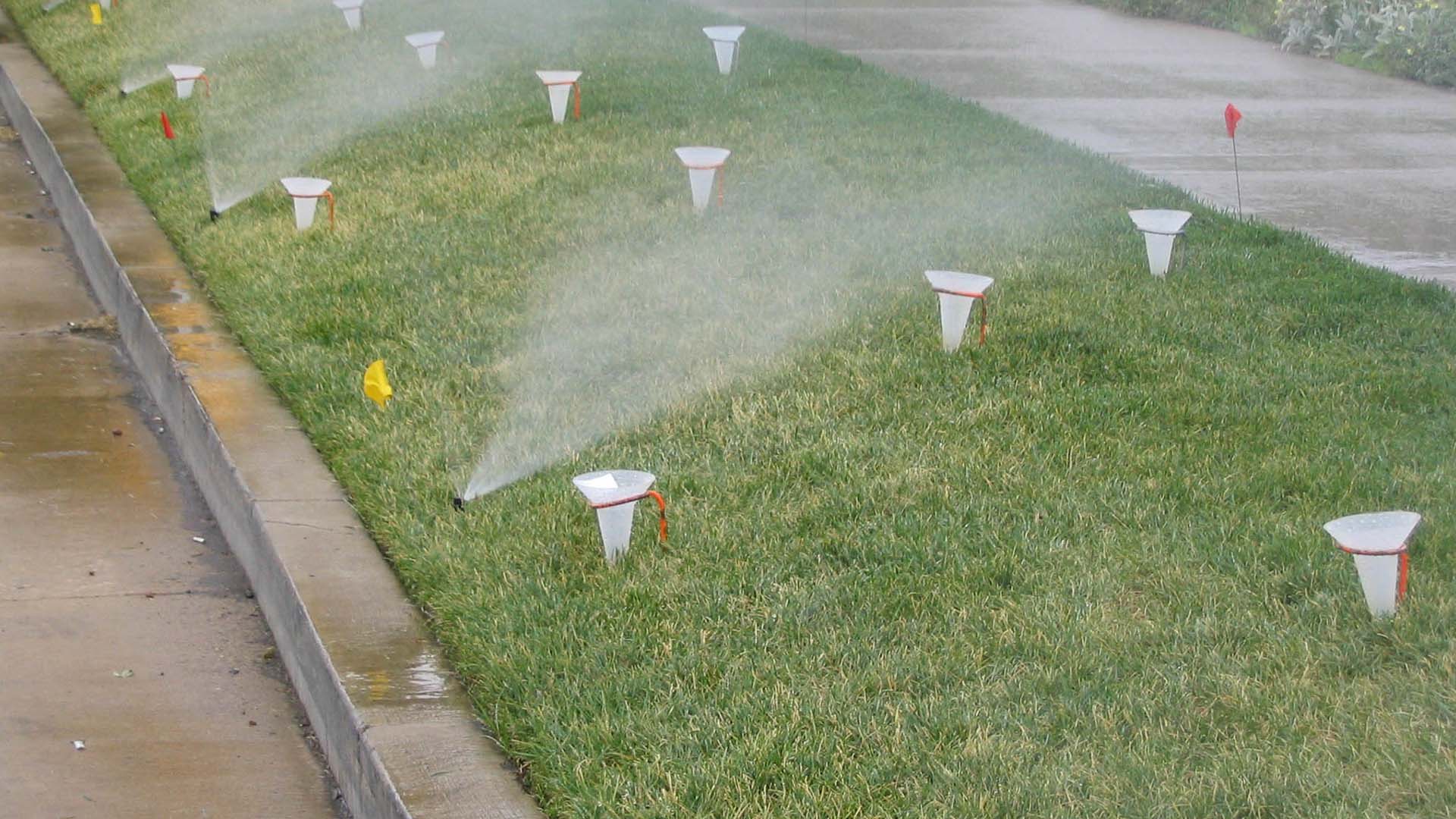
A Catch Cup Test is used to measure the precipitation rate and distribution uniformity of the water applied to the lawn.