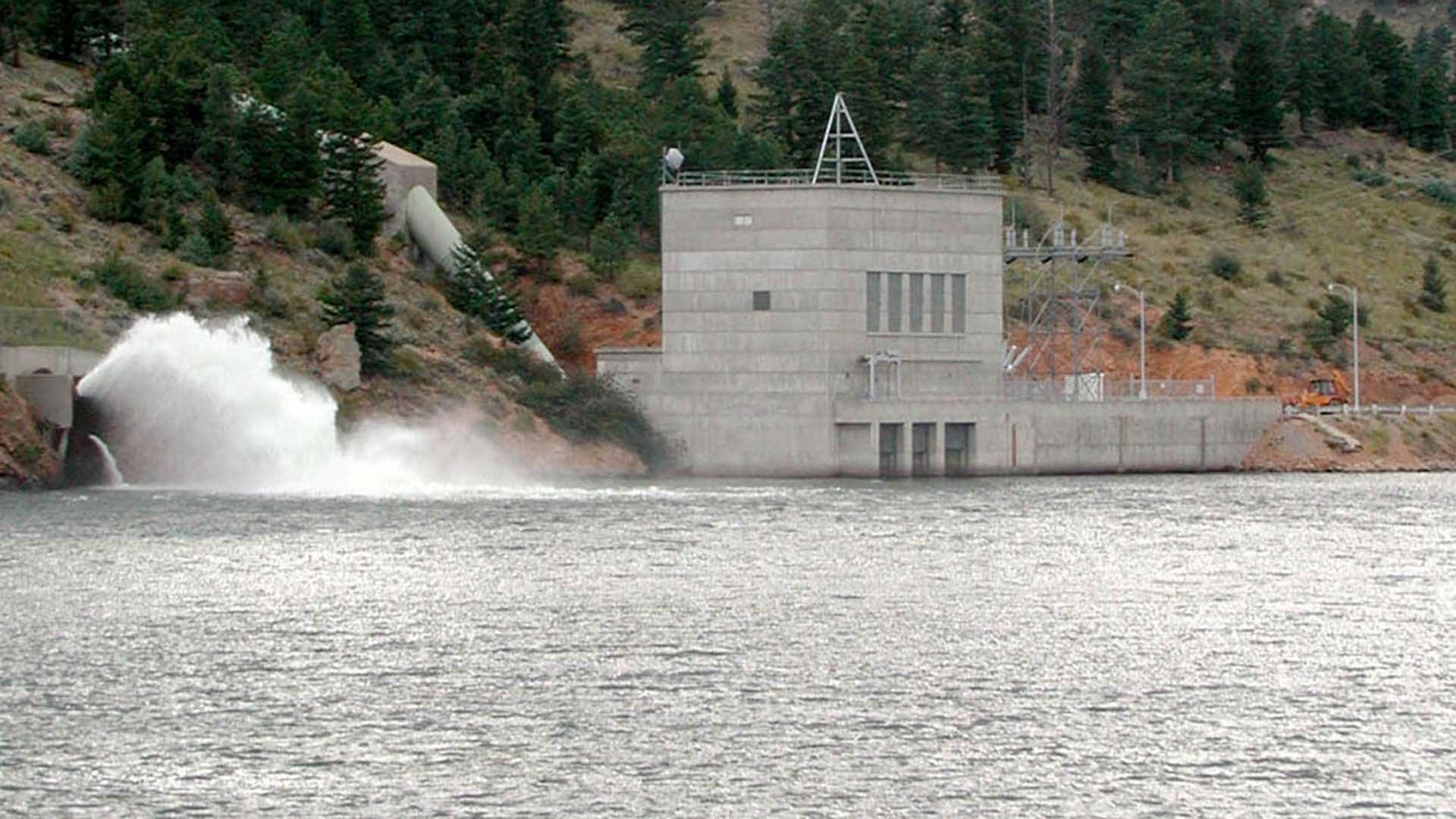
Alva B. Adams Tunnel: Delivering Water Beneath the Continental Divide
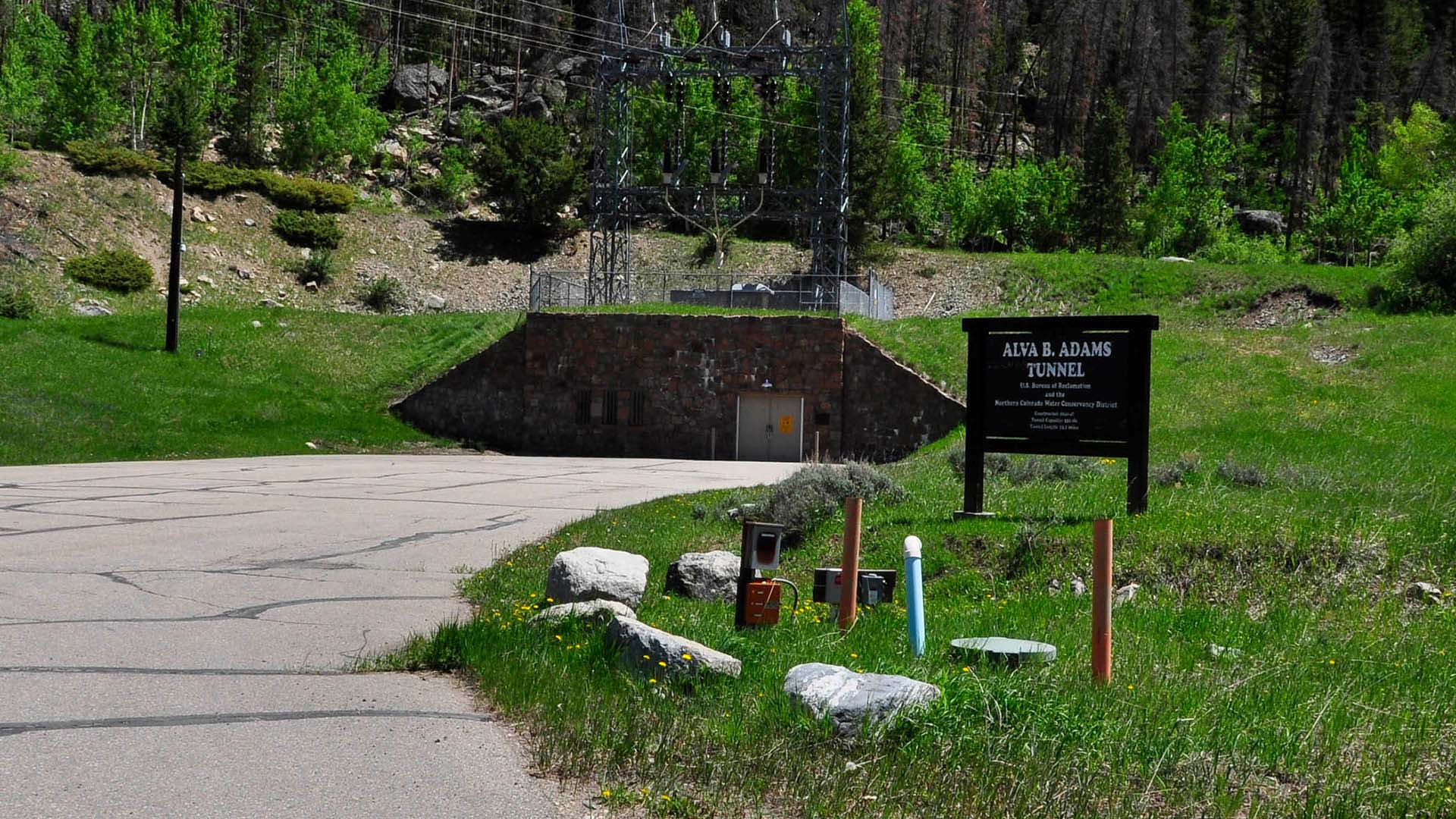
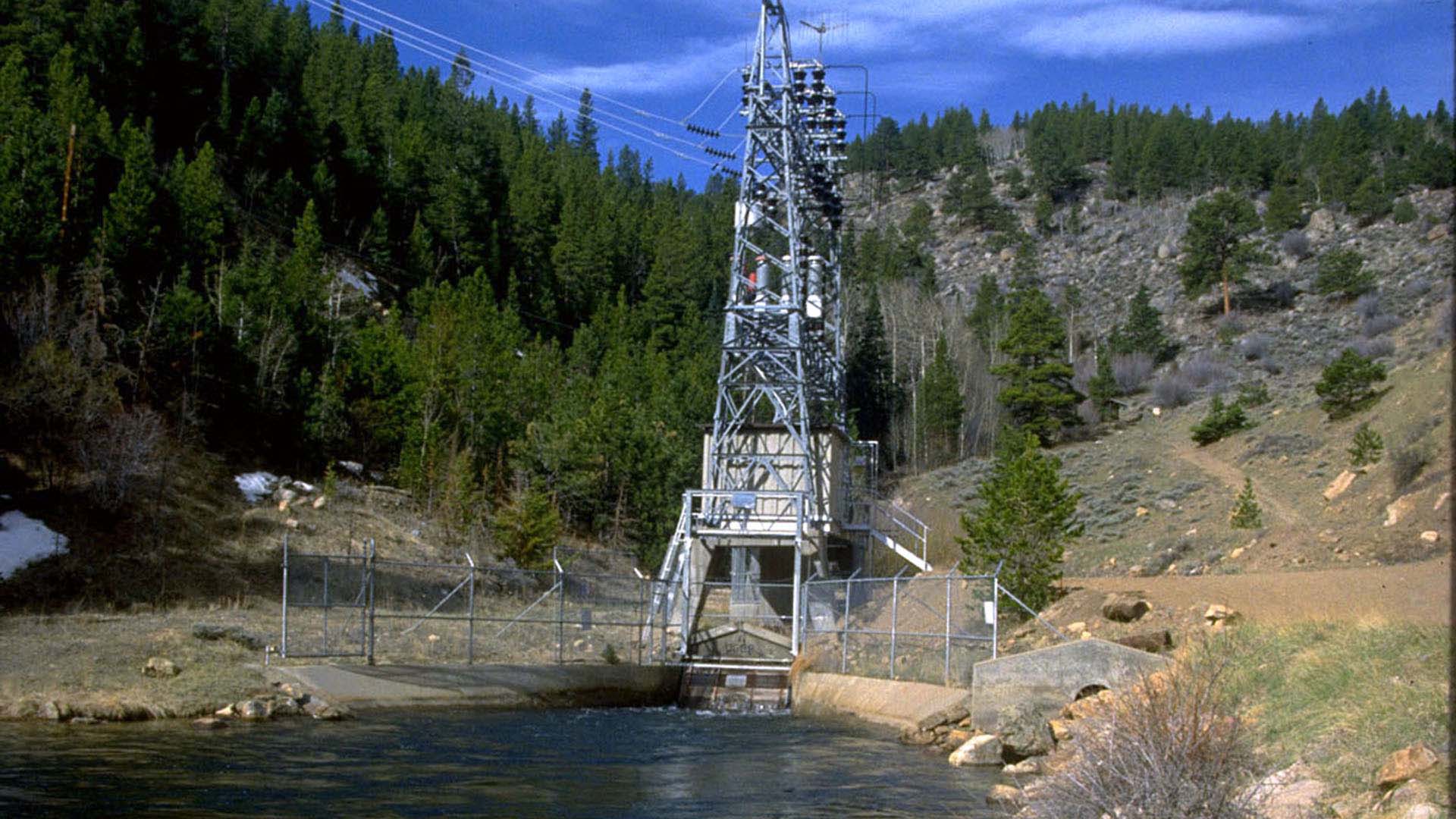
As the linchpin of the C-BT Project, the 13.1-mile Alva B. Adams Tunnel carries water from the Upper Colorado River Basin beneath Rocky Mountain National Park to users on Colorado’s East Slope. The tunnel extends from its West Portal on the east shore of Grand Lake to its East Portal along the Wind River, about 4 miles southwest of downtown Estes Park. The concrete-lined, cylindrical tunnel measures 9 feet 9 inches in diameter and reaches depths of up to 3,800 feet beneath the Continental Divide.
A 109-foot elevation drop between the portals allows water to flow by gravity without pumping. With a capacity of 550 cubic feet per second, the tunnel delivers more than 200,000 acre-feet of water annually to Northeastern Colorado, with travel time through the tunnel averaging about two hours.
The tunnel is named for Alva B. Adams, a U.S. Senator from Colorado who played a key role in convincing Congress to fund and construct the C-BT Project. At the time it was built, the Adams Tunnel was the longest tunnel in the United States to provide water for irrigation at a cost of $12.8 million.
First Water Delivered in 1947
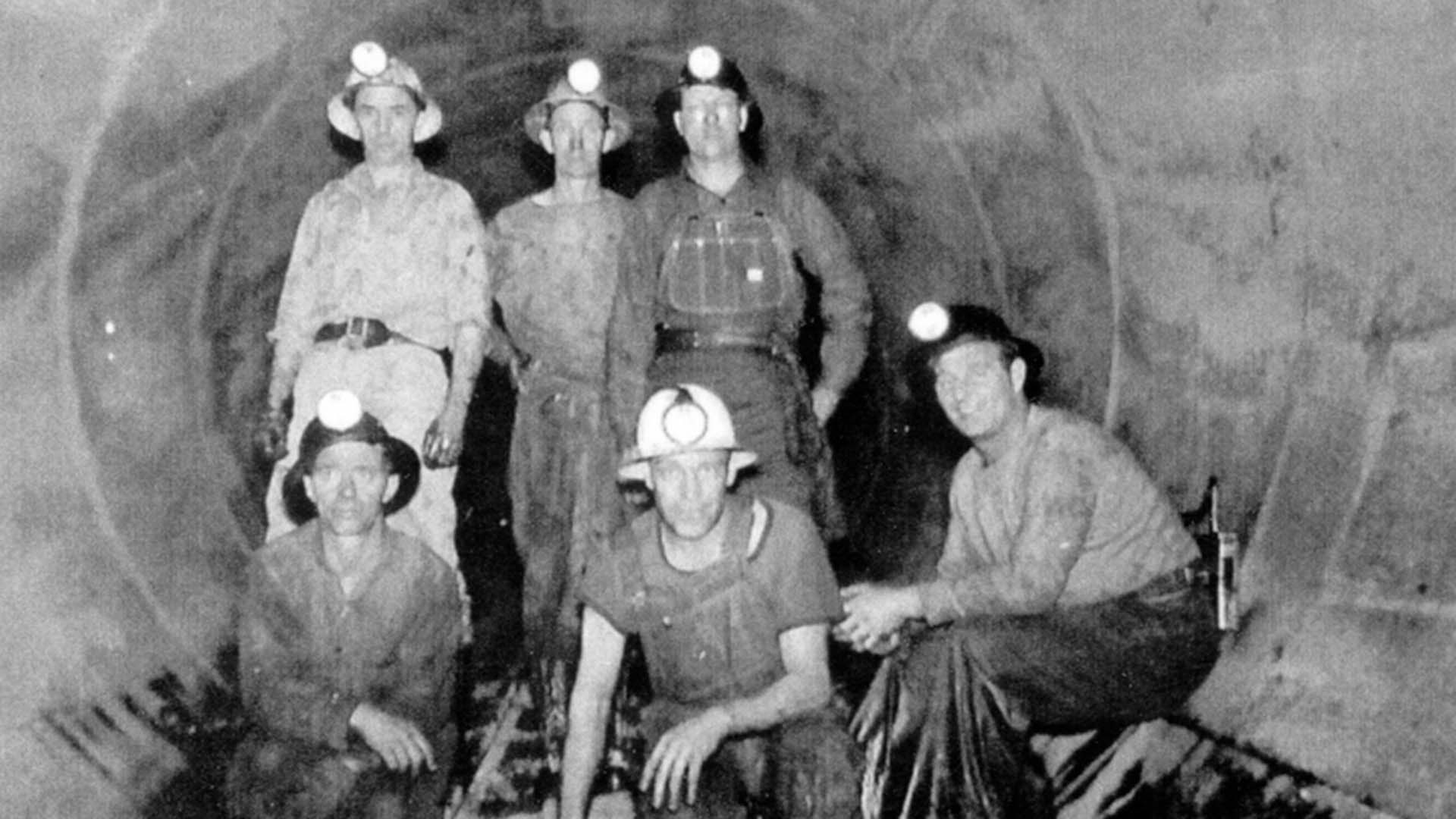
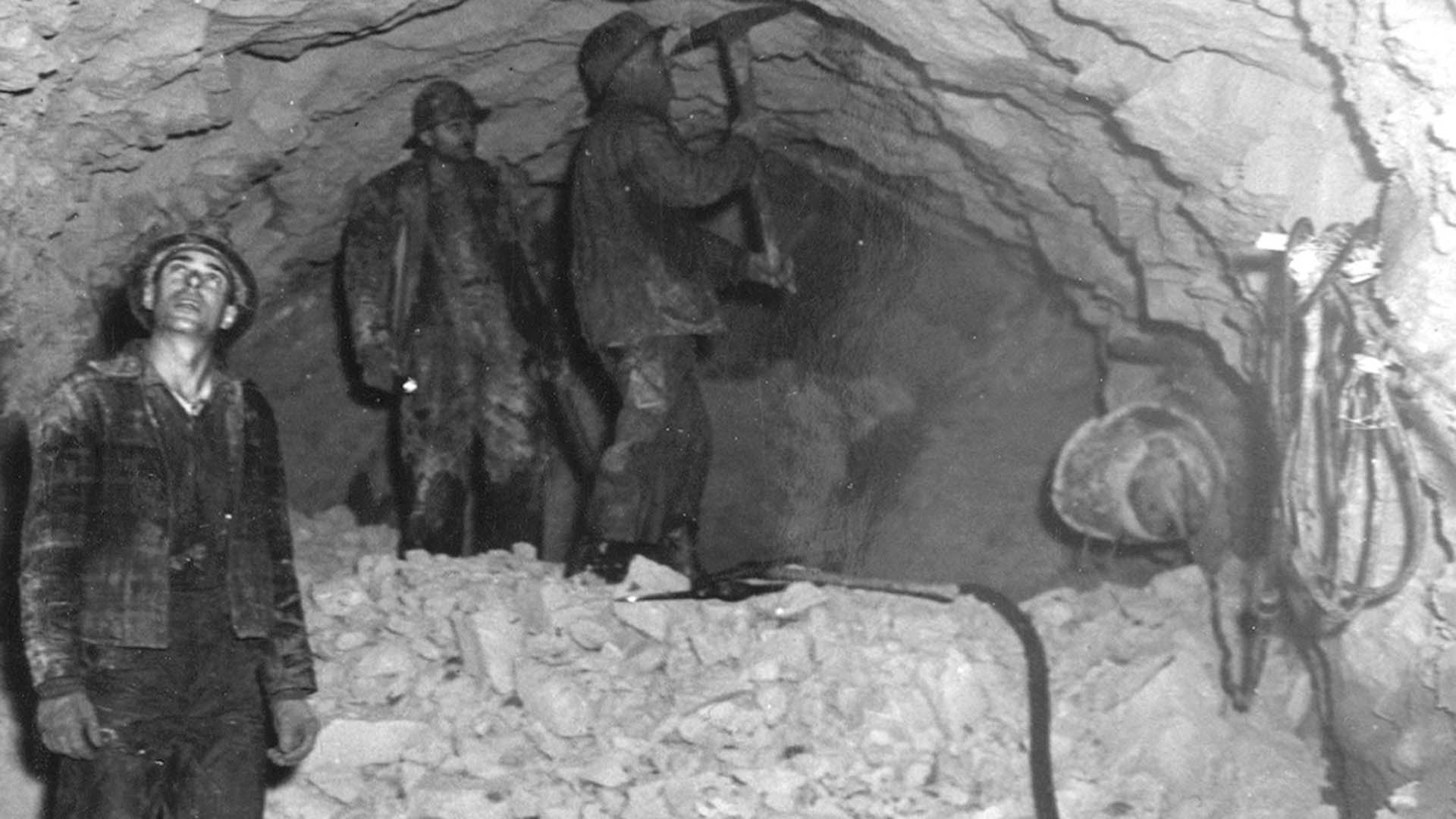
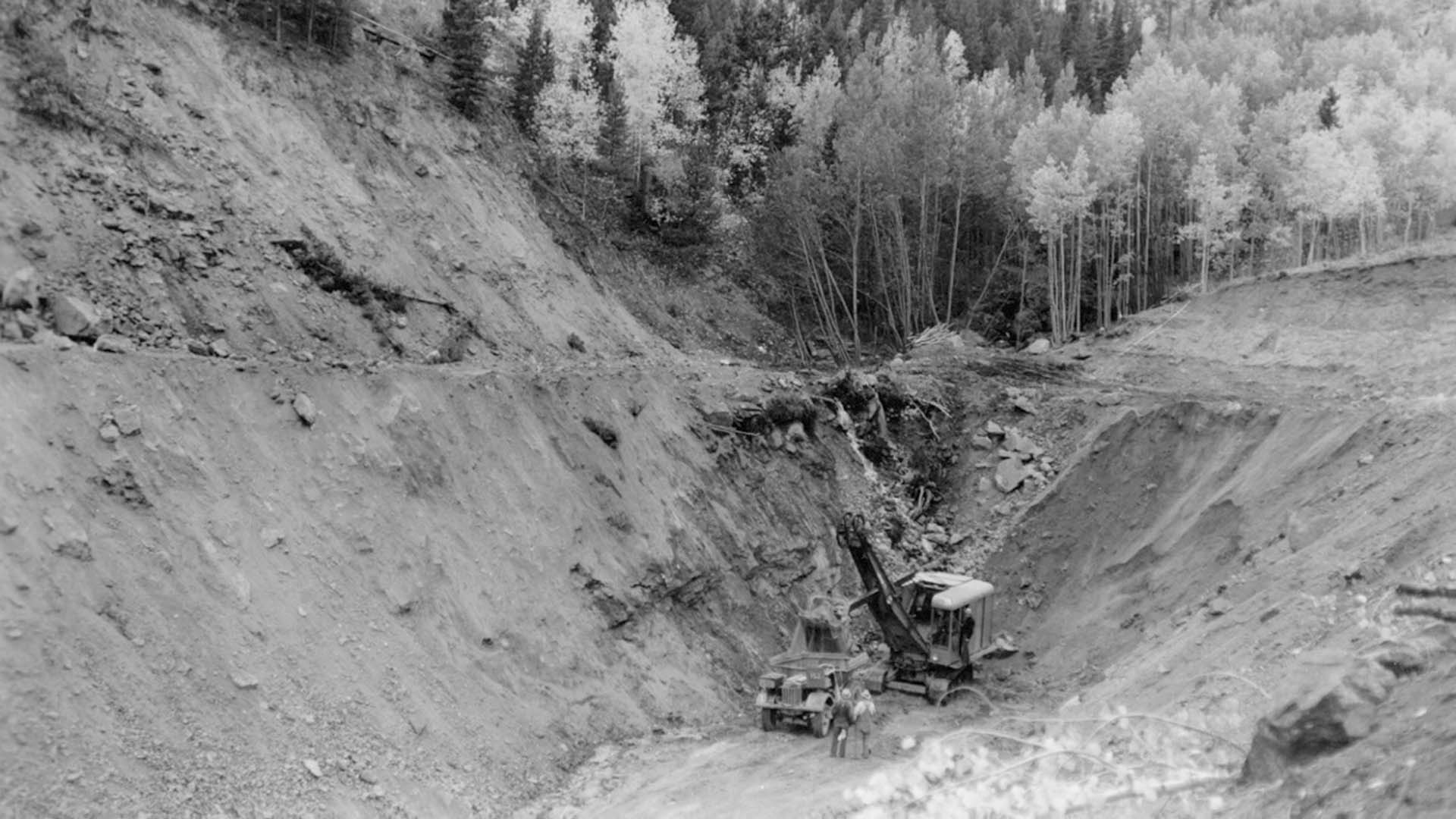
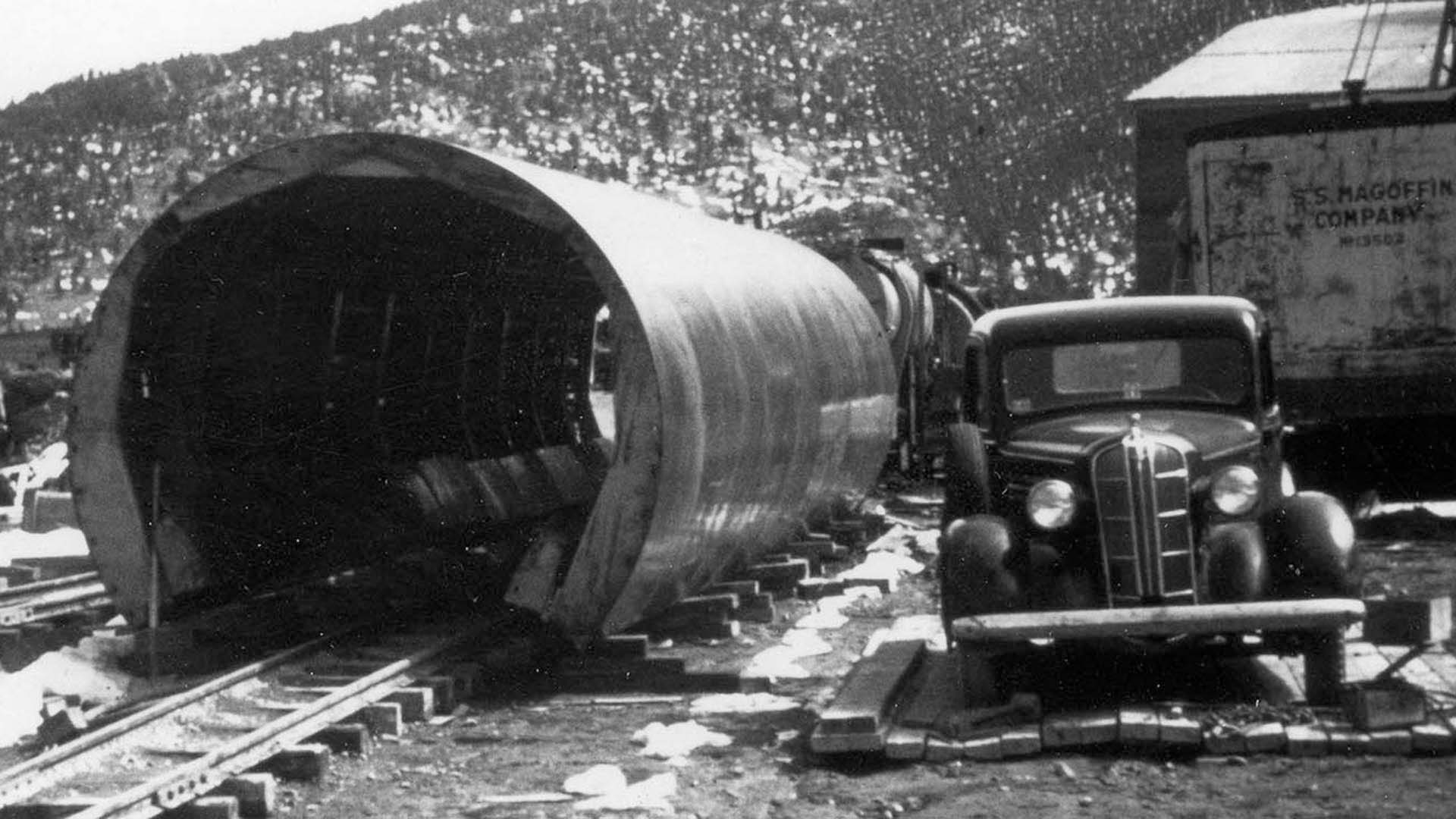
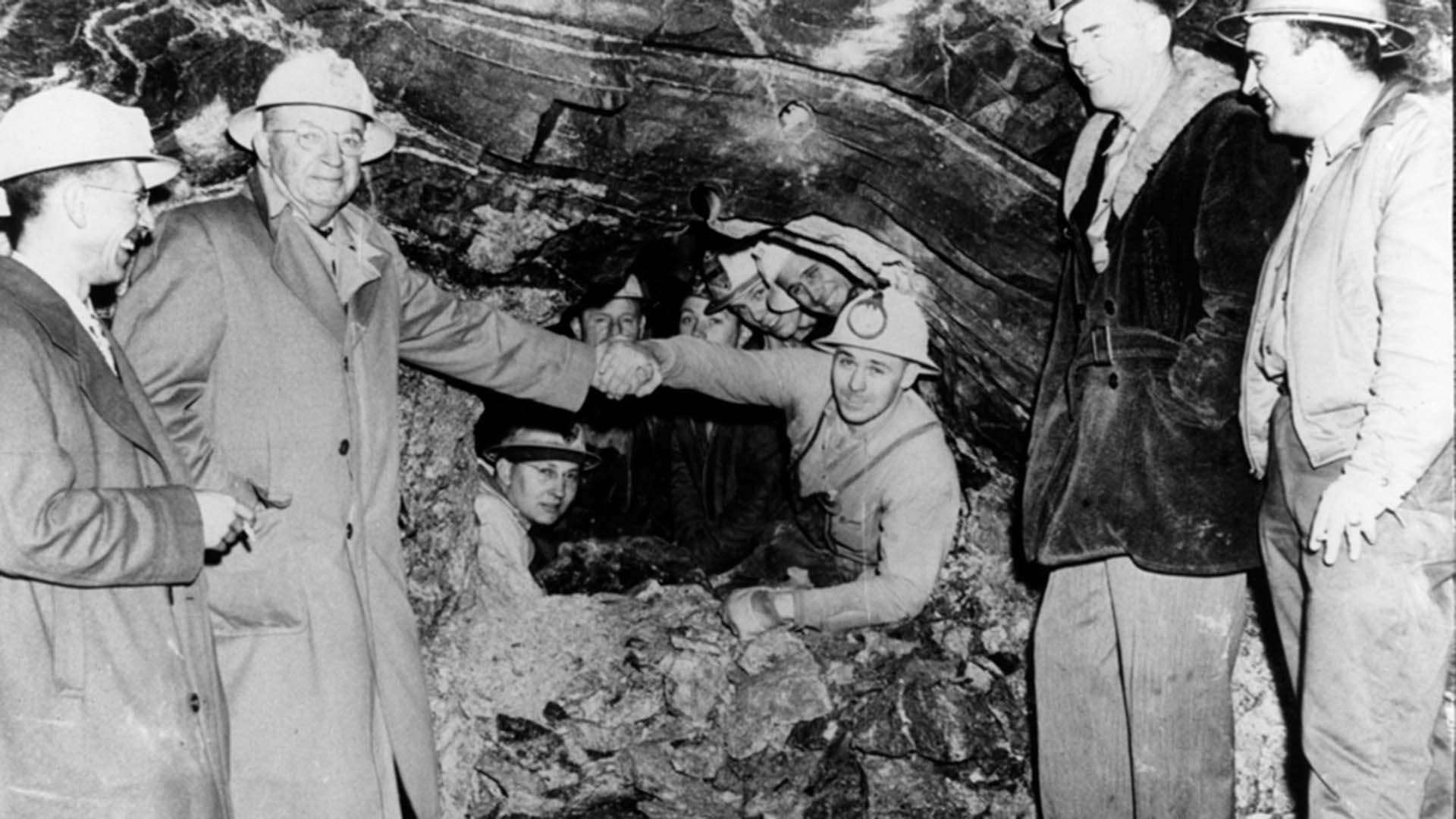
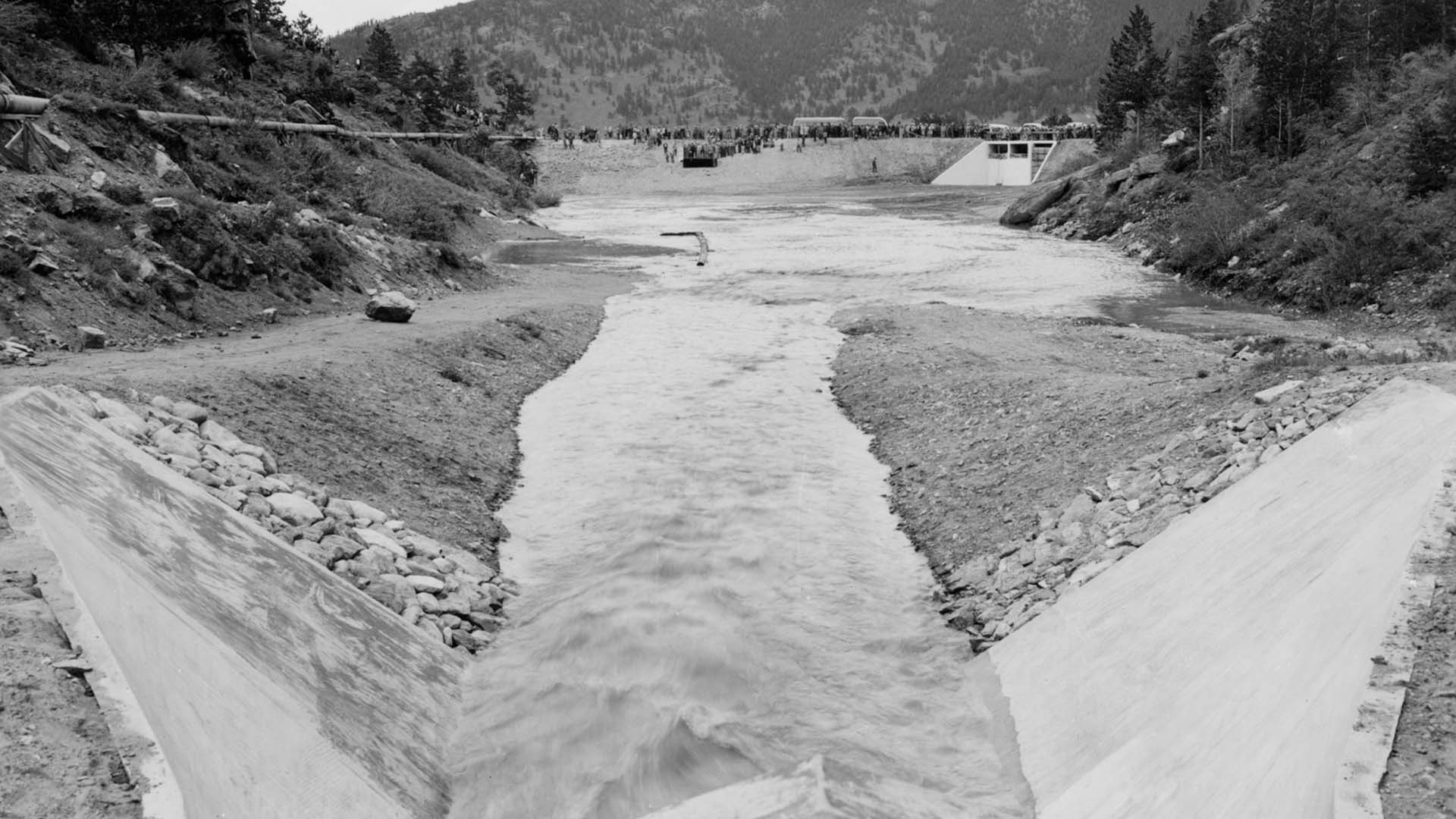
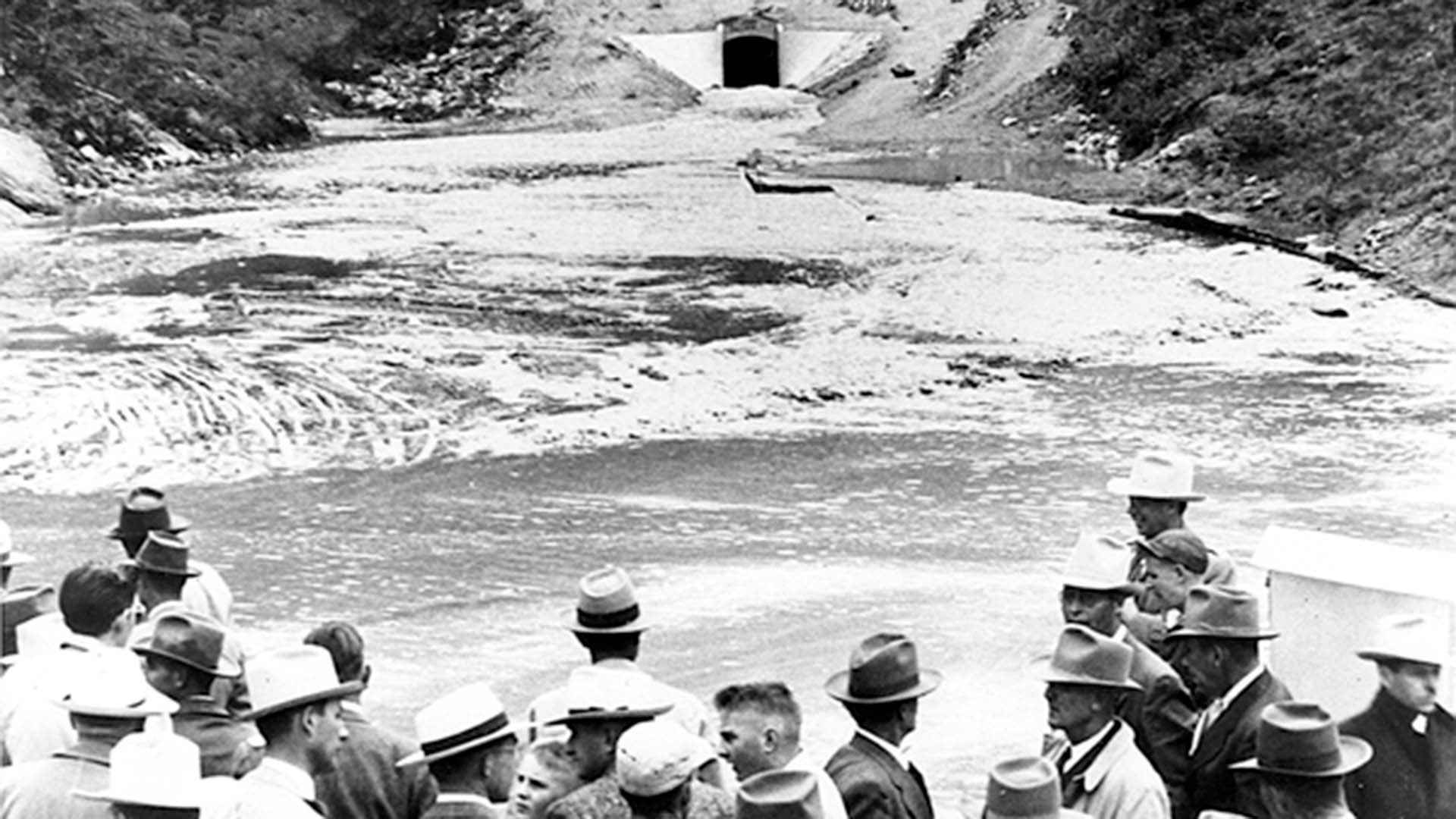
Construction of the Adams Tunnel began on June 23, 1940. Contractors bored the tunnel simultaneously from both portals, and when the two crews met on June 10, 1944, the alignment was off by less than the width of a penny. The first C-BT Project water flowed through the Adams Tunnel on June 23, 1947.
Power for West Slope Pump Plants
Electricity from the Lake Estes Power Plant reaches the West Slope’s Farr and Willow Creek pump plants through a 69,000-volt transmission line extending the length of the Adams Tunnel. The power line, suspended from the tunnel’s ceiling, is encased in a nitrogen-charged conduit to prevent corrosion.