Water-Wise Landscapes

Manage Water Use Through Your Landscape Design

As you plan for your landscape consider maintenance, costs, time, purpose and benefits of the landscape you manage. While turf is a familiar choice for certain applications, alternatives such as low water use perennials, shrubs, ground covers, ornamental grasses, mulches, decorative rock, walkways or a patio can reduce your use of water, chemicals and need for maintenance. 

Saving Water on Landscapes

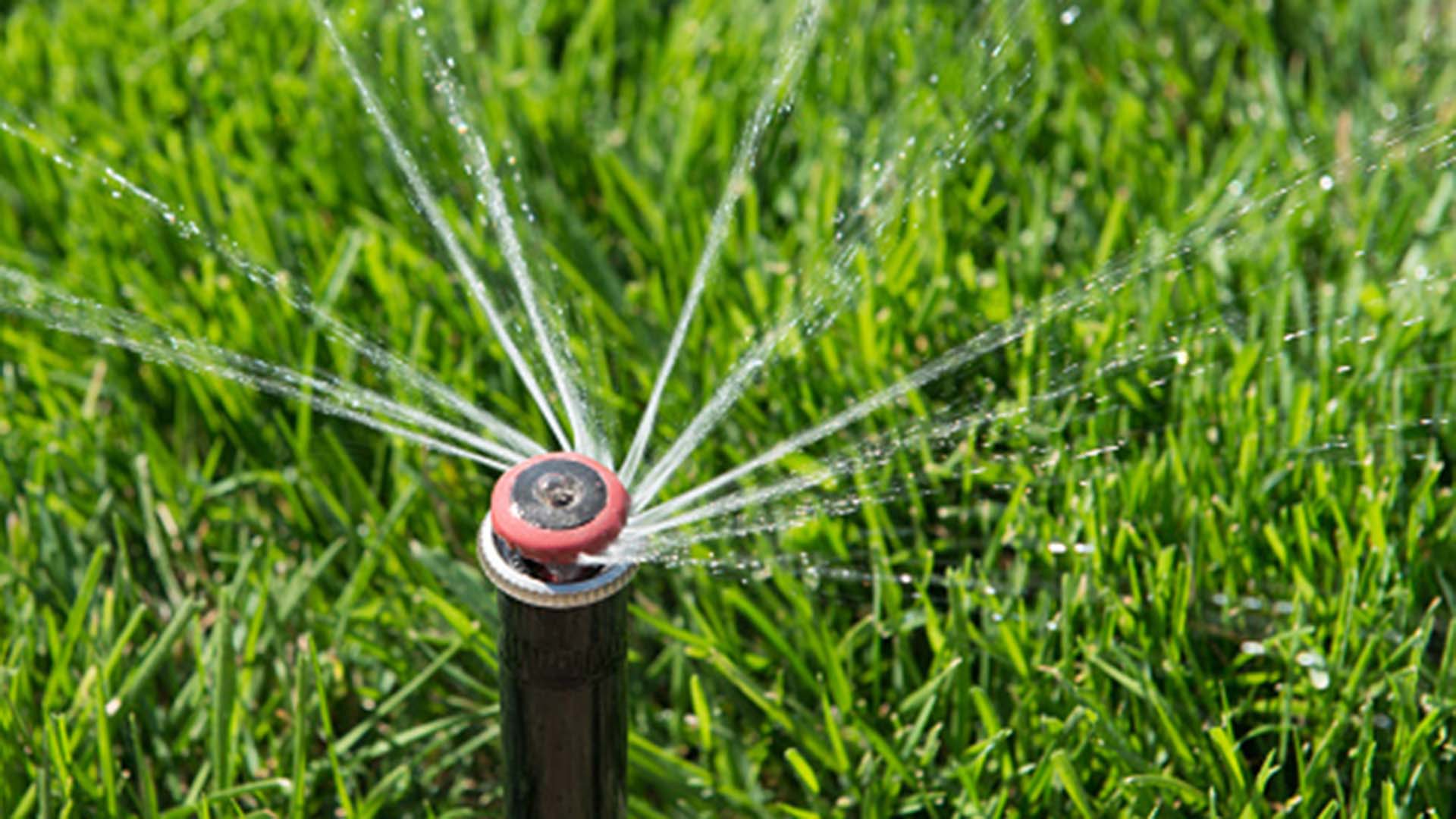
Sprinkler head spraying water on green grass.

Understand Your Lawn's Water Needs

  • If a screwdriver can be easily inserted 3 to 4 inches into the ground you don’t need to water. 
  • Water when footprints or mower tracks become clearly visible and remain for 20 minutes or more, or when the lawn takes on a bluish-gray color. 
  • Water from 10 p.m. to 6 a.m. - or when allowed by your water provider's rules - not during the heat of day or when the wind is blowing. 
  • Set sprinklers to only water the landscape, not sidewalks, driveways or other areas.

Efficient Irrigation and System Management

After selecting your lawn and plants, focus on watering efficiently. Begin by inspecting your sprinkler system for leaks, which can significantly increase water use. Common issues include broken sprinkler heads, faulty valves, cracked lines and general wear. While checking for leaks, audit system components, replace outdated heads and consider installing a smart controller to improve scheduling. For additional support, use CSU Extension’s Lawn Irrigation Self Audit or Resource Central’s Slow the Flow Audit.

Water Use and Seasonal Adjustments

Measure how much water your landscape receives to prevent overwatering. Water demand is typically lower in spring, late summer and early fall, so adjust your controller seasonally to reduce unnecessary use. Tools such as the EPA Water Budget Tool can help guide efficient water planning.

Application Rates and Scheduling

Water needs vary throughout the season. In midsummer, lawns on clay or loamy soils typically require 1 to 1.5 inches of water per week. Kentucky bluegrass often needs irrigation two to three times per week during peak summer to replace moisture lost through evapotranspiration. Sandy soils may require shorter, more frequent irrigation to prevent water from draining below the root zone.

Use a “cycle and soak” approach by applying water in shorter intervals with multiple start times. Adjust your controller monthly to reflect changing weather conditions or use weather-based smart controller features for automated efficiency.

Selecting Turf and Preparing Soil

Landscape planning often begins with selecting the right turf. Consider both grass type and site conditions. Kentucky bluegrass performs well in sunny, high-traffic areas due to its resilience and drought tolerance, including the ability to go dormant during dry periods. Fine fescue is better suited for shaded areas and requires about 20 percent less water. For low-traffic spaces, native warm-season grasses such as buffalo grass and blue grama offer strong drought tolerance, require less irrigation, and reduce mowing and fertilization needs.

Proper soil preparation is essential for efficient irrigation. On Colorado’s Front Range, clay and sandy soils often require amendment. Clay soils retain water but have low infiltration rates, increasing the risk of runoff; adding organic matter improves drainage, reduces compaction and encourages deeper root growth. Sandy soils drain quickly and hold little moisture; organic matter helps increase water retention and supports healthier turf with reduced irrigation demand.

Turf with the left side mowed shorter than the right.

Plants for Water-Efficient Landscapes

Selecting plants for a landscape requires careful consideration given the wide range of options available. Resources such as Northern Water’s Conservation Gardens offer proven plant selections that balance aesthetic appeal with water efficiency, many of which are readily available at local nurseries.

Once established, water-wise plants typically require minimal to no supplemental irrigation, reducing long-term water use, maintenance costs and vulnerability to drought and water restrictions. The Conservation Gardens feature more than 700 low-water-use species, including shrubs, small trees, ornamental grasses and ground covers.

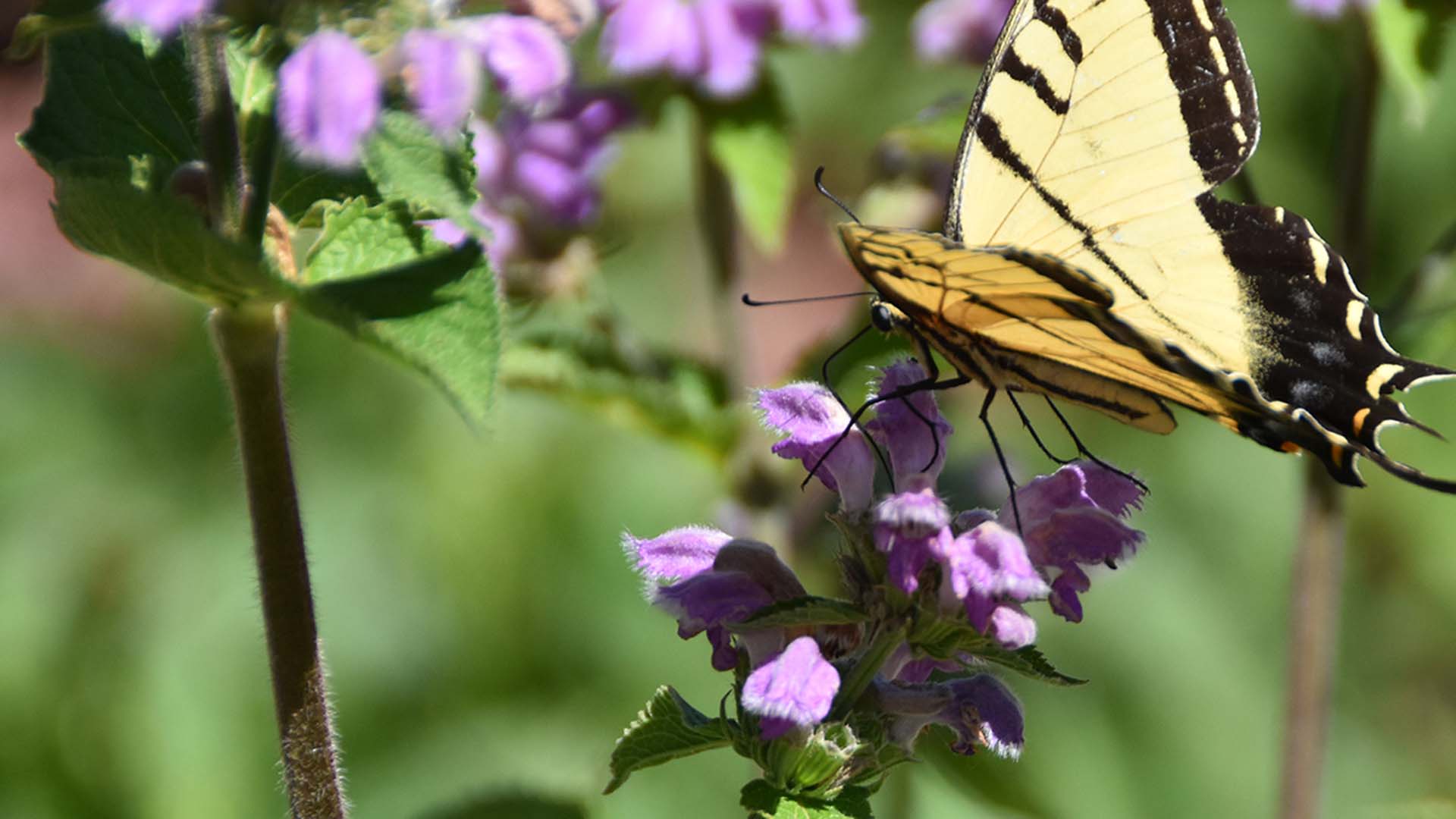
Plant Select varieties are particularly well-suited to the regional climate and are commonly available through local suppliers. For those interested in supporting pollinators and broader ecosystem health, third-party resources can provide guidance on designing landscapes that contribute to habitat, food sources and long-term sustainability.

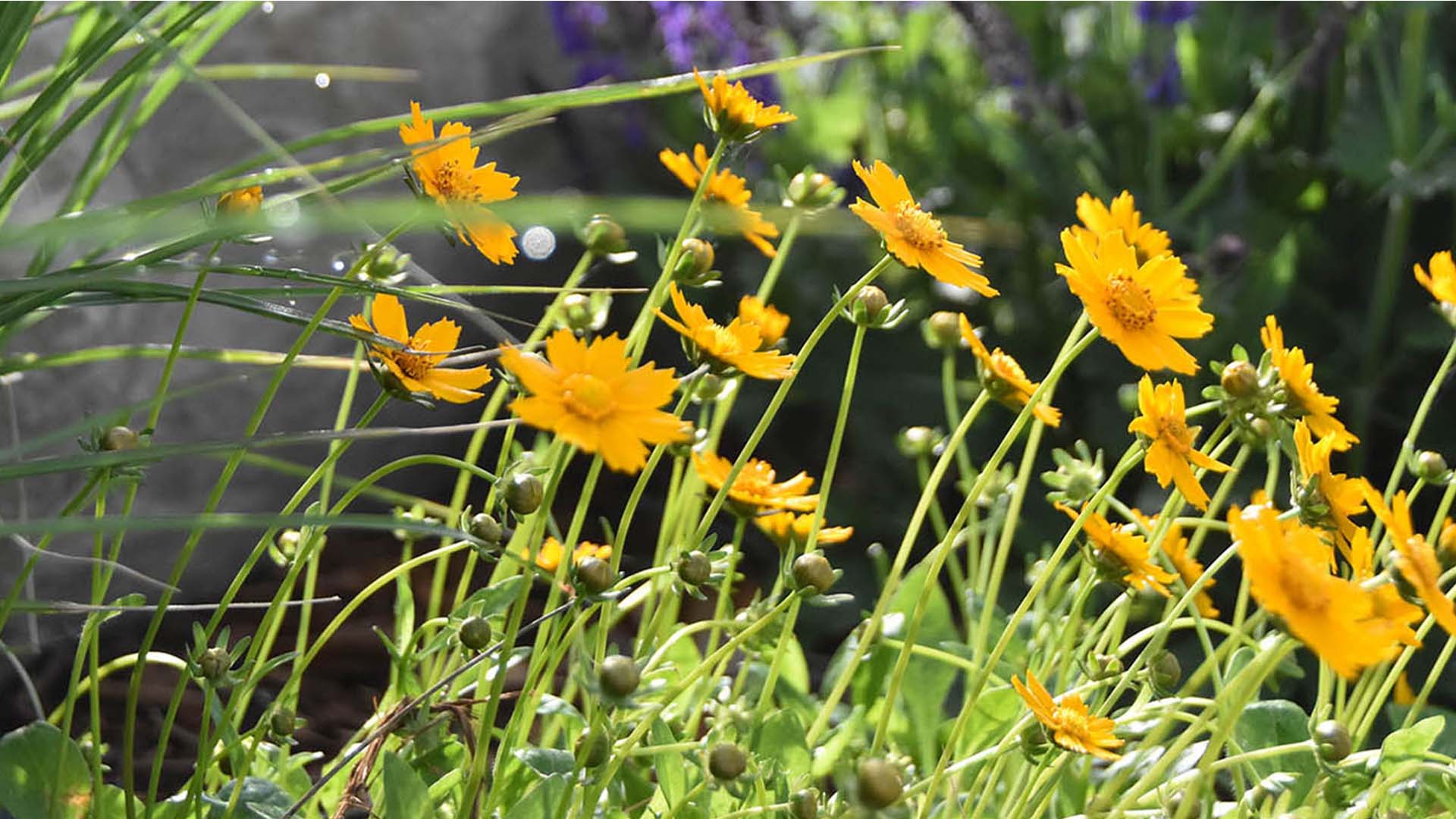
Yellow flowers that are on dainty stems.

Maintaining Lawn and Plants

With your landscape established, proper maintenance is essential to sustain plant health and water efficiency. Effective soil preparation, plant selection and irrigation practices provide a strong foundation—ongoing care ensures long-term success.

  • Mowing: Maintain turf at about 3 inches to promote root growth and reduce stress. Never remove more than one-third of the grass height at a time. If grass becomes overgrown, raise the mower height and cut gradually over multiple mowings.

  • Fertilization and Aeration: Fertilize to support turf health and suppress weeds. Core aeration relieves soil compaction and improves water and air movement into the root zone. Aerate in spring and again in fall for heavy clay soils.

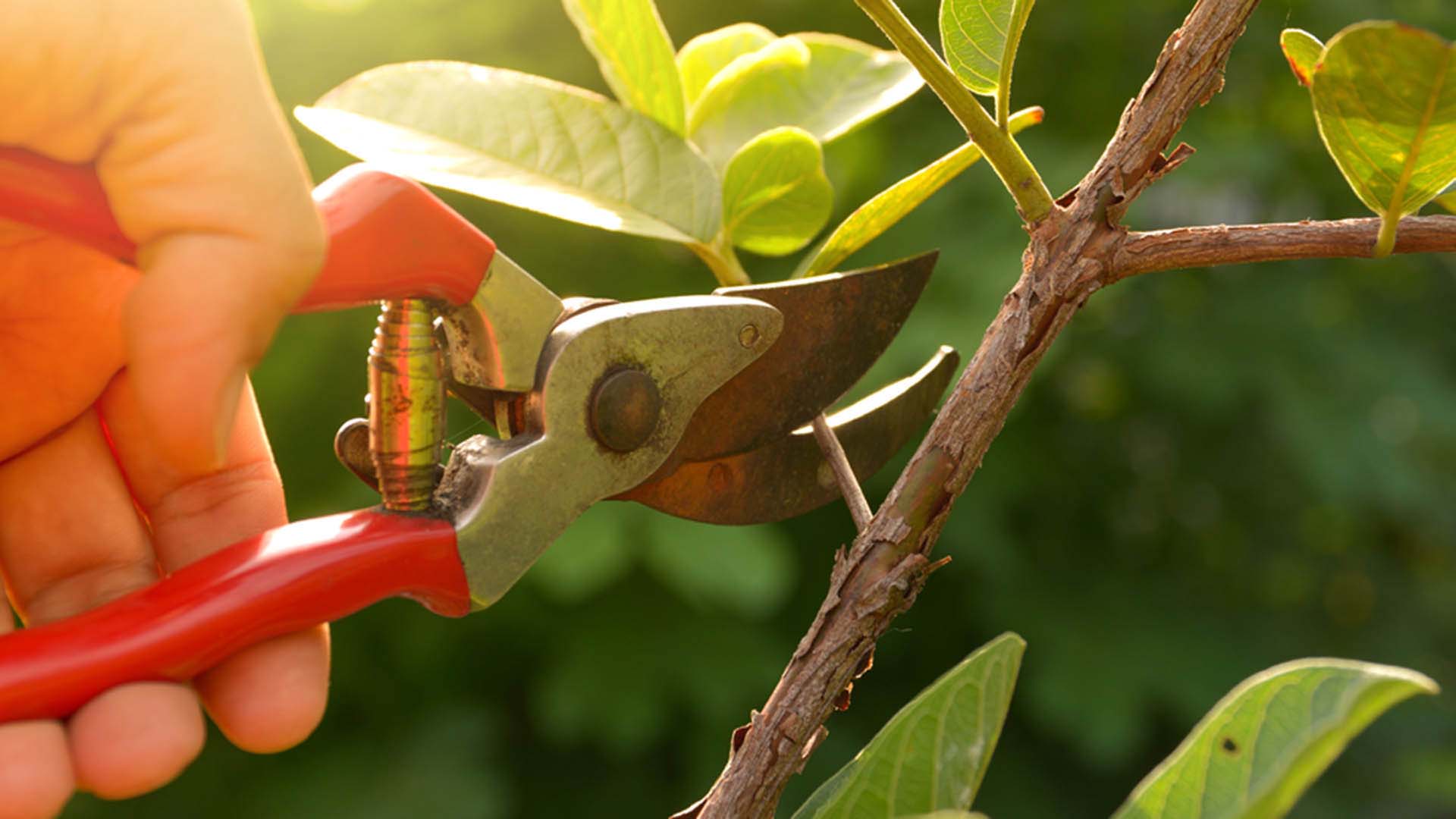
  • Pruning: Regular pruning supports plant vigor and appearance. For most trees and shrubs, prune in winter or early spring. Use proper techniques and identify plants before cutting.

  • Mulching: Apply mulch to conserve moisture, reduce evaporation and limit weed growth. Organic options include bark and grass clippings, while inorganic materials such as rock can increase reflected heat. CSU Extension advises against weed fabric due to its limited effectiveness and negative impacts on soil health and plant growth.

  • Pest and Disease Prevention: Maintain overall plant health to reduce pest and disease risk. Avoid overwatering and prolonged leaf wetness, which can promote disease development.

Person holding pruning scissors trimming plants.