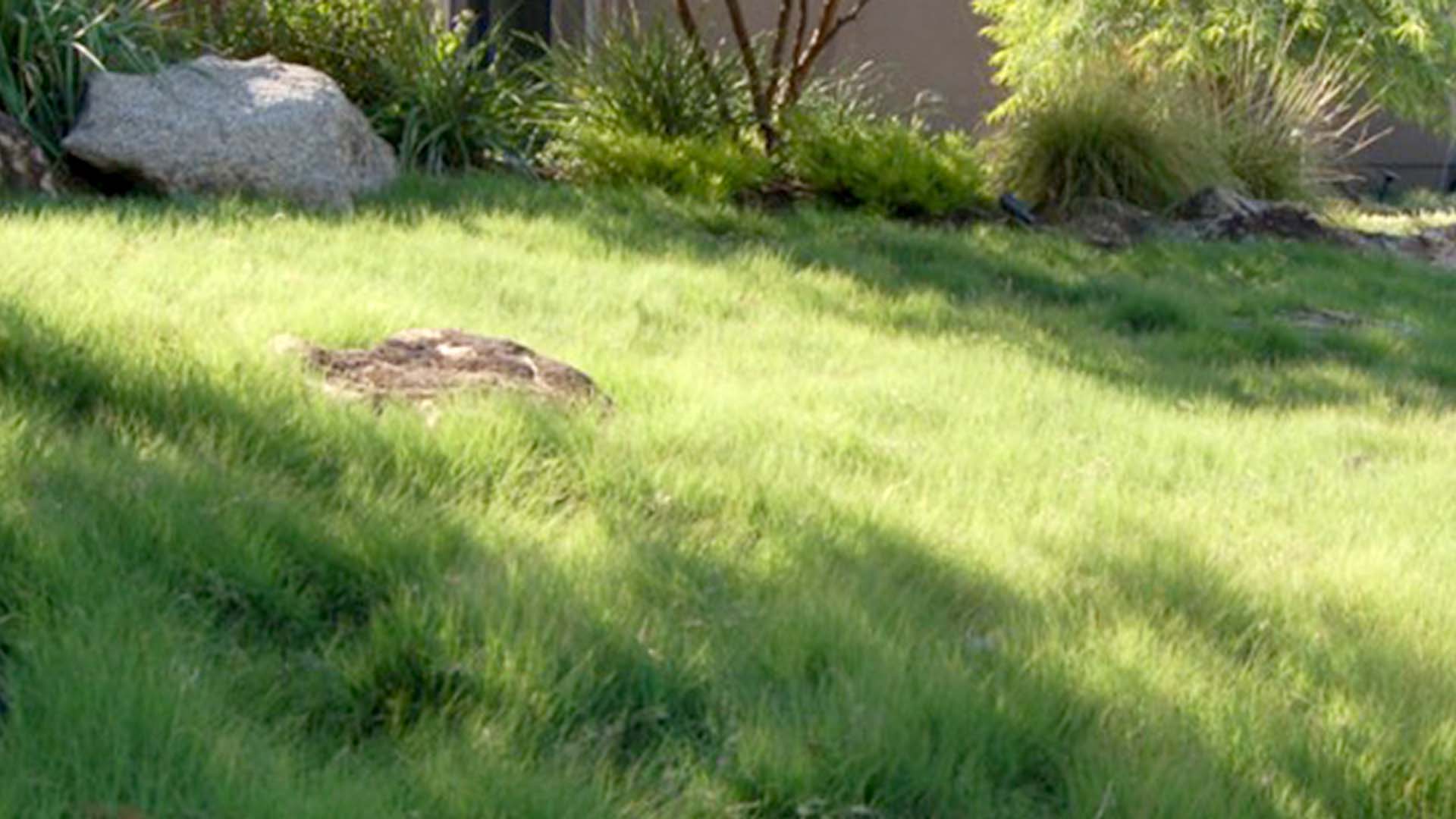
Native grasses provide a huge water savings compared to traditional cool-season turf, while adding beauty and texture to landscapes. Depending on factors such as irrigation efficiency, mowing frequency and weather, warm-season native grasses have the potential to use 50 percent to 80 percent less supplemental irrigation compared to well-watered, cool-season grass like Kentucky Bluegrass. Rainfall, measured in inches, meets part of grass water needs, while supplemental irrigation from sprinklers fills in the rest to keep it healthy and green during the summer.
Between 2017 and 2022, communities along the northern Front Range received an average of only 8.3 inches of rainfall from April to October. That means sprinklers use a lot of water to fill the gap, especially for cool-season grass. Switching to a native grass with a high-quality aesthetic can shave off up to 14 inches of water needed, while a native grass with a more natural look can reduce the water need by 19 inches or more.
How Much Water Can You Save by Converting to Native Grass?
Water bills don’t measure usage in inches. To fully understand how much water (and money) can be saved by converting to native grass, convert inches to gallons. On a 1,000 square-foot turf area, savings can range between 9,000 and 12,000 gallons annually.
Native Grasses that Fit Colorado's Urban Landscapes
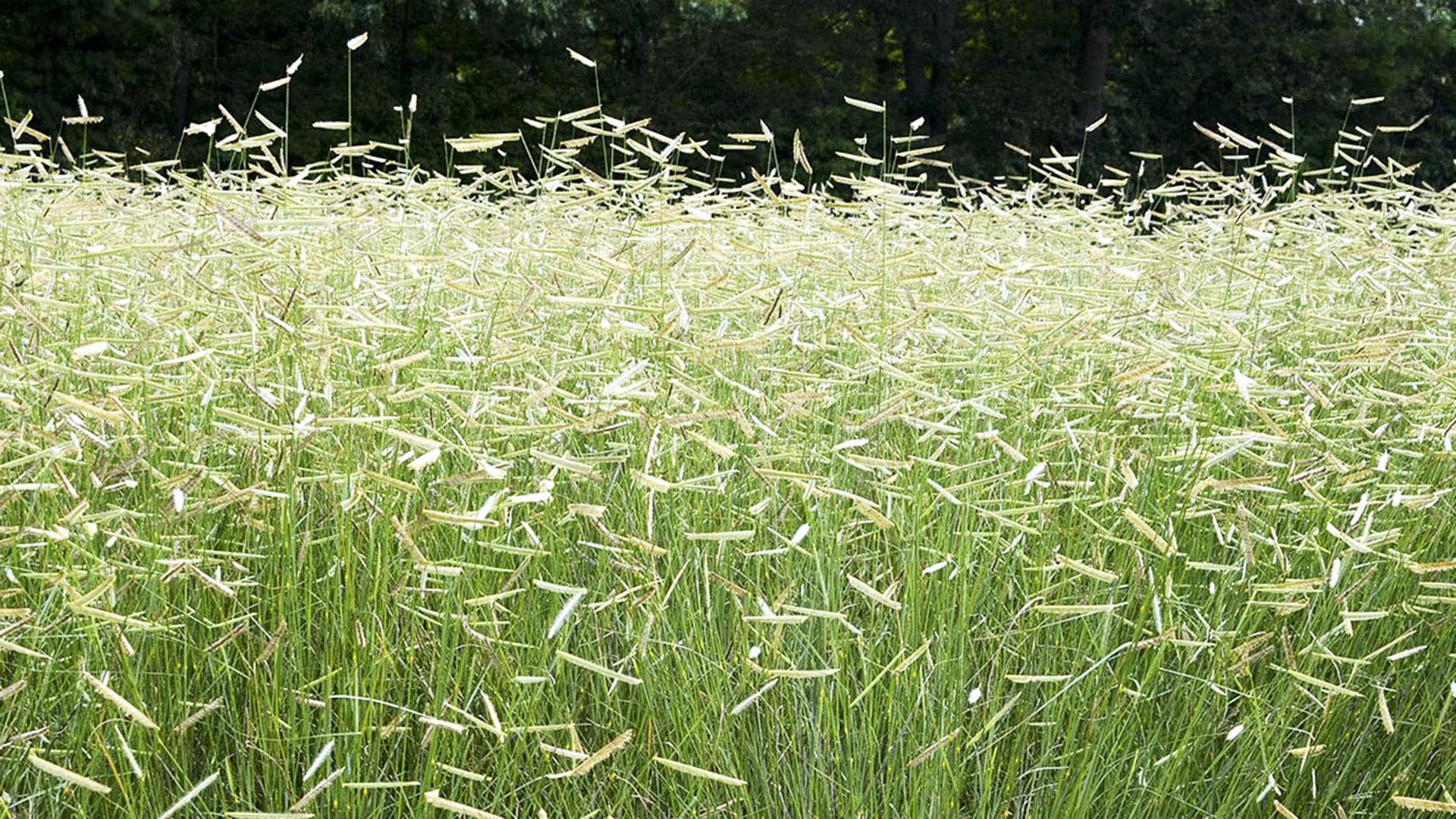
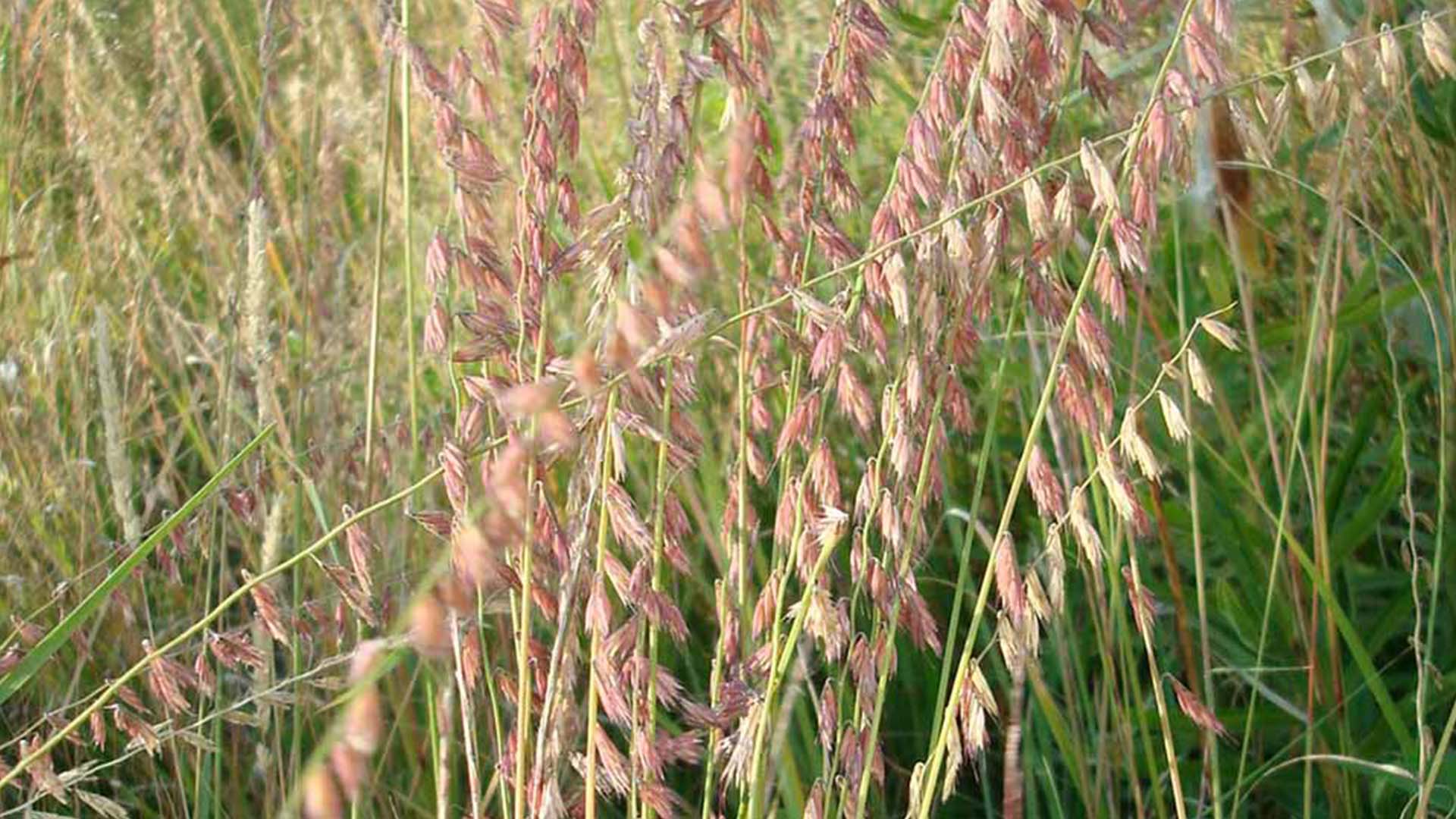
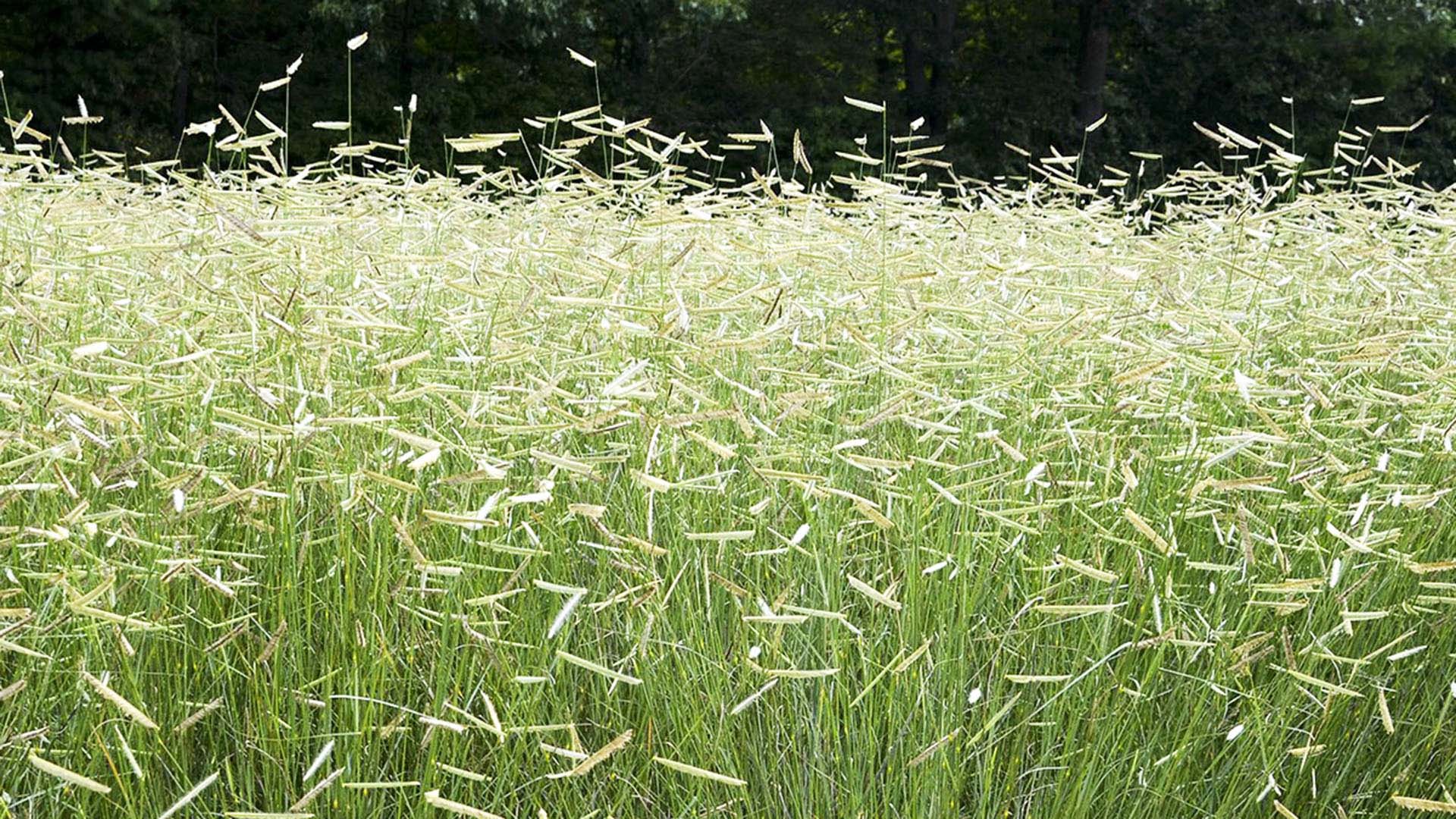
Buffalograss and Blue Grama are the most common warm-season native grasses used as turf in Colorado. Adapted to the High Plains, they feature deep root systems that improve drought resilience and can provide a uniform, lawn-like appearance when well managed. These grasses perform best in full sun from late May through September but have limited tolerance for shade and foot traffic. During winter dormancy, they may also be more susceptible to weed growth.
Buffalograss
Blue Gramma
Warm-Season Grass
Cool-Season Grass
Deeper roots allow them to use more stored soil moisture.
Require irrigation earlier and much later into the year.
Buffalo and Blue Grama grass lawns require a minimum of 1-2 inches of irrigation or precipitation every two to four weeks in the summer to avoid going into dormancy.
Grasses such as Kentucky Bluegrass or Tall Fescue are not adapted to Colorado’s climate and require irrigation, approximately 2.25 inches per week during peak season.
Deep-rooted grasses have access to more soil moisture allowing more time between irrigation or precipitation.
The average rooting depth is 4-8 inches. Irrigation should be applied to only the plant root zone to reduce water waste.
Tolerant of a wide range of soil moisture and may not need to be irrigated until sometime in June. However, if given water at rates equal to Kentucky Bluegrass, they will use it!
Starts using soil moisture in mid-February for root and crown growth with green up starting in March. Dormancy period starts in October but is substantially shorter.