Success has come quickly for the Kawuneeche Valley Restoration Collaborative’s (KVRC) initial projects, and so, too, has media attention highlighting those positive results and KVRC's ultimate mission.
After a few years of planning and raising needed funds, Northern Water and the other KVRC partners got their first large-scale restoration efforts underway in 2024. By 2025, the group was already seeing those projects work as intended, if not better, with beaver dam-mimicking structures creating long-needed intentional flooding and saturating a landscape that’s otherwise been drying up in recent decades.
As a result of that success, 2026 has so far been marked by a steady flow of media coverage shedding light on these restoration initiatives and their impacts.
Members of the multi-agency initiative say a large-scale recovery of the Kawuneeche Valley – a critical headwaters region where the Colorado River emerges from Rocky Mountain National Park and flows into Shadow Mountain Reservoir – will still take several more years, even decades. But the group can’t help but be encouraged, and even a little surprised, by what’s already been accomplished.
Formed in 2020, KVRC is dedicated to revitalizing the ecological and hydrologic health of the Kawuneeche Valley. The group brings together representatives from Northern Water, Rocky Mountain National Park, the U.S. Forest Service, Grand County, Town of Grand Lake, The Nature Conservancy, Rocky Mountain Conservancy and Colorado State University, whose researchers have contributed decades of ecological study and expertise to guide restoration planning.
Over the past century, land-use changes and rising elk and moose populations in the valley have led to a sharp decline in willows and beavers. Without beaver activity, the valley’s natural hydrology has been disrupted, resulting in dry floodplains, altered stream channels and diminished ecological function. These shifts have increased the valley’s vulnerability to drought, wildfire and invasive species – all of which are threats to Rocky Mountain National Park and also the water quality and operations of the downstream Shadow Mountain Reservoir and the broader Three Lakes System that’s co-managed and operated by Northern Water and the U.S. Bureau of Reclamation.
To reverse these trends, Northern Water and the other KVRC partners have been implementing long-term, adaptive restoration strategies.
The group’s initial project in the fall of 2024 took place at Beaver Creek, a tributary to the Colorado River located in the valley, and included building low-tech process-based instream structures that mimic beaver activity to raise the water table and reconnect the river to its floodplain.
The impact of these structures was noticeable within just a few months, as the new structures slowed and captured the following spring’s runoff and, according to analysis, helped inundate an area the size of 2.5 football fields that would have otherwise remained dry.
The Beaver Creek project also included installation of “exclosure” fencing around the 31-acre project area to protect willows and other native vegetation from hungry elk and moose.
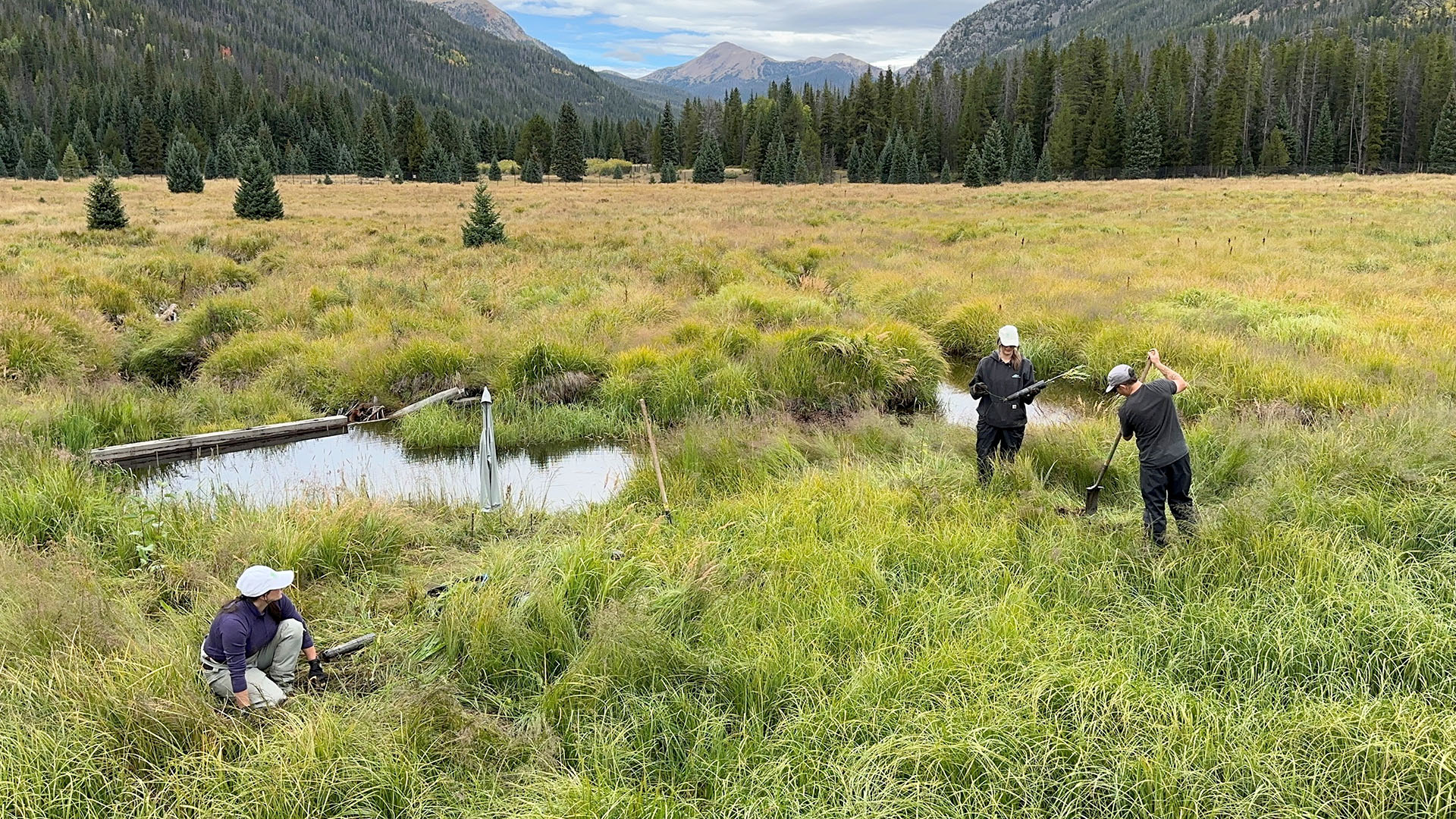
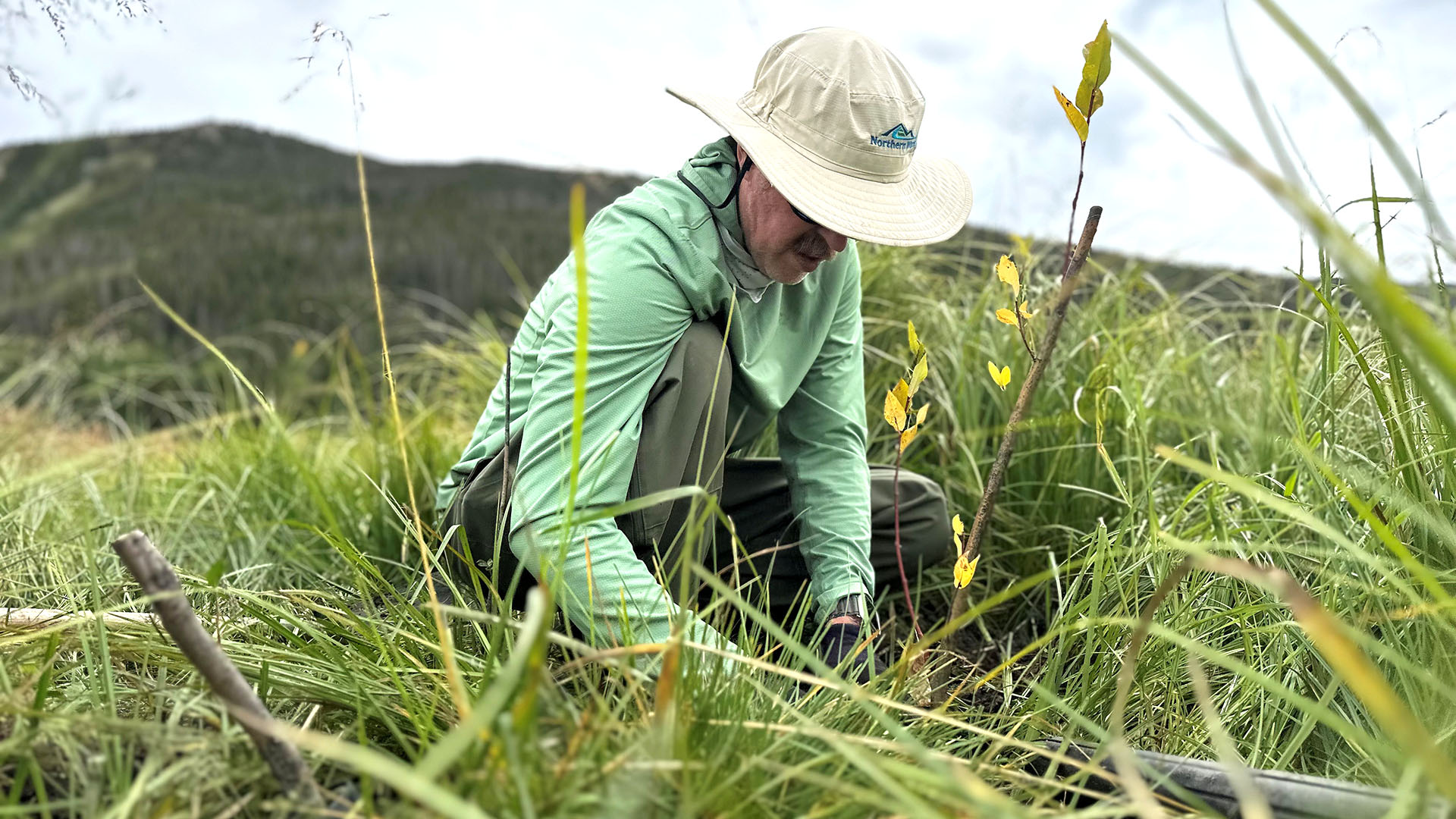
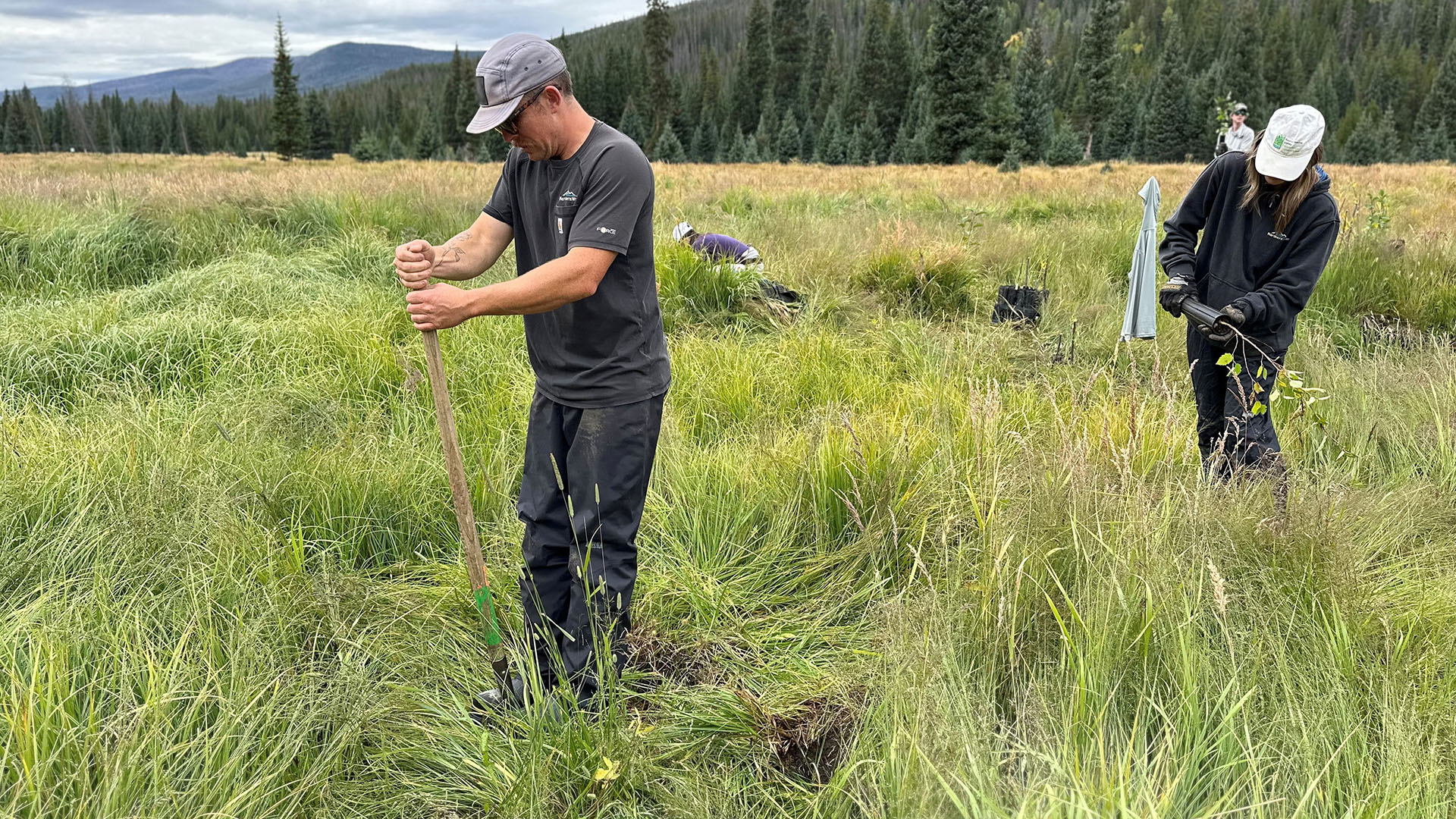
KVRC’s work continued in 2025 along Beaver Creek, where the group planted over 1,000 willows and alders within in the newly fenced-in 31-acre area, in addition to conducting adaptive maintenance such as invasive weed removal to support the in-stream structures.
KVRC has so far collected about $5 million for up to four restorations in the park, including the recently completed Beaver Creek work. Similar restoration work is expected to take place this year at nearby Onahu Creek. KVRC has identified two additional sites in RMNP where they are planning projects for future years. They are also beginning outreach to private landowners to build a holistic valley-wide restoration effort.
-1.jpg?width=1920&height=1080&ext=.jpg)