Water Temperature

Monitoring Our Water Temperatures

Water temperature is one of the most important factors influencing the health of rivers and streams. Temperature affects the growth, reproduction, metabolism, and survival of aquatic plants and animals, including fish, aquatic insects and algae. Many species require specific temperature ranges to thrive, and even small changes can alter habitat quality, disrupt life cycles, reduce dissolved oxygen levels and affect the overall health of aquatic ecosystems. 

Water management activities and natural hydrologic conditions can both influence stream temperatures. Reduced flows during warm weather can increase water temperatures, while releases from deep reservoirs can provide cooler water that moderates temperatures downstream during critical periods. Understanding these changes is key for protecting aquatic life and tracking compliance with Colorado's water temperature standards

Water Temperature Data
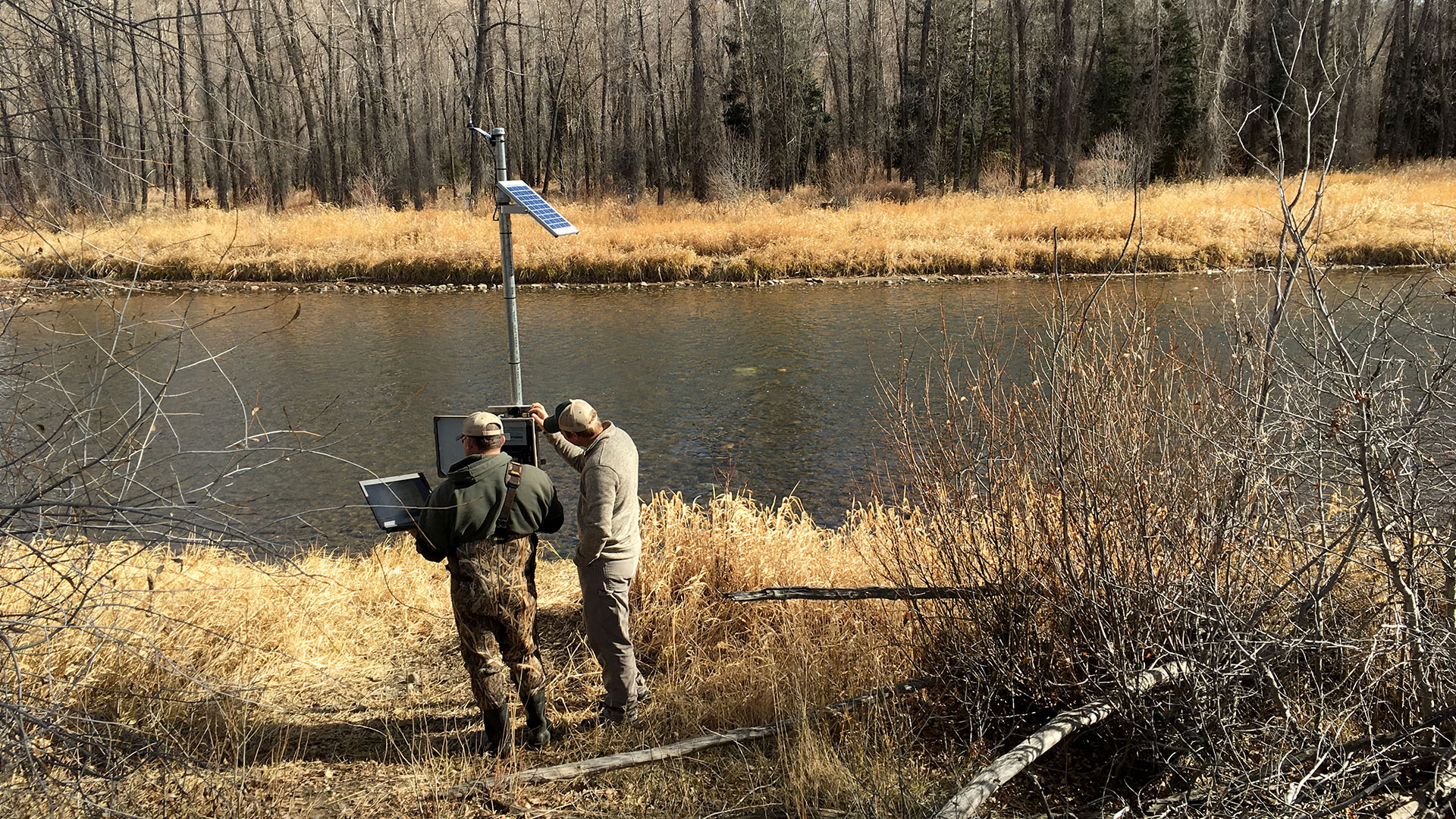
Two men standing in front of a box on a pole by a stream measuring water temperature.
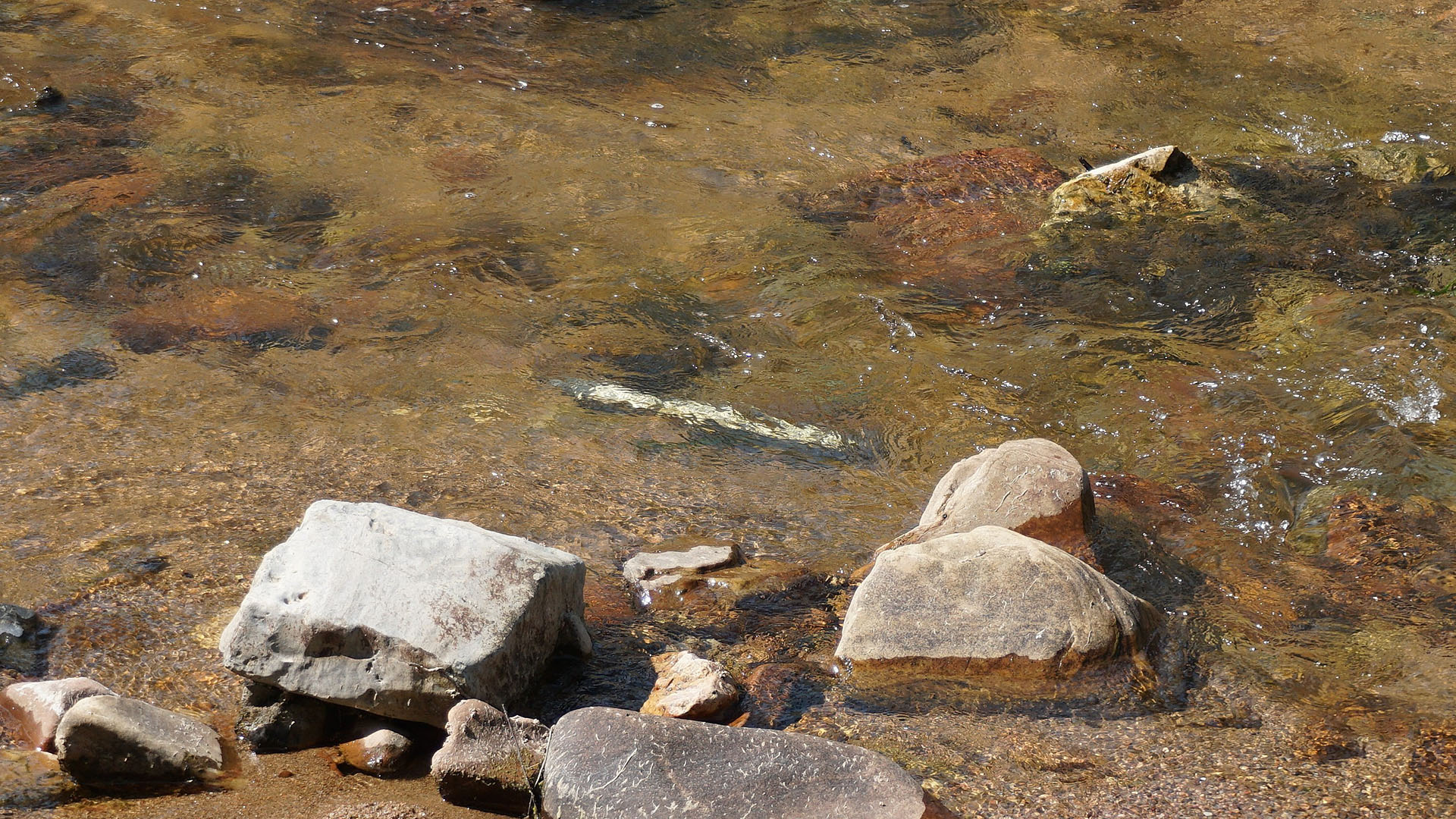
A probe laying in the bottom of the river measuring water temperature.

Stream Temperature Monitoring and Management

Northern Water operates an extensive stream temperature monitoring network. Since 2007, water temperature data have been collected across the Colorado-Big Thompson (C-BT) and Windy Gap projects, with additional monitoring in the Cache la Poudre River beginning in 2014. Today, Northern Water monitors water temperature at more than 35 locations throughout the Upper Colorado River and South Platte River basins, including over 15 sites along the Poudre River. Monitoring sites are strategically located upstream and downstream of reservoirs, water delivery infrastructure, tributary confluences and locations where project water is introduced into streams.  

Most monitoring stations collect temperature data every 15 minutes, 24 hours a day, year-round, creating a continuous, high-quality dataset that captures both daily and seasonal temperature patterns. Data are collected using a combination of real-time temperature stations and field-deployed sensors that are regularly maintained and downloaded by Northern Water staff. These long-term data are used to track temperature trends, evaluate the effects of water management and reservoir operations, assess compliance with Colorado water quality standards, support permit requirements and water quality modeling efforts, and inform adaptive management strategies for current and future water projects. 

Cache la Poudre Water Quality Monitoring Program
 
C-BT and Windy Gap Baseline Water Temperature Monitoring Program