Platte River Recovery

Balancing Species Protection and Water Reliability
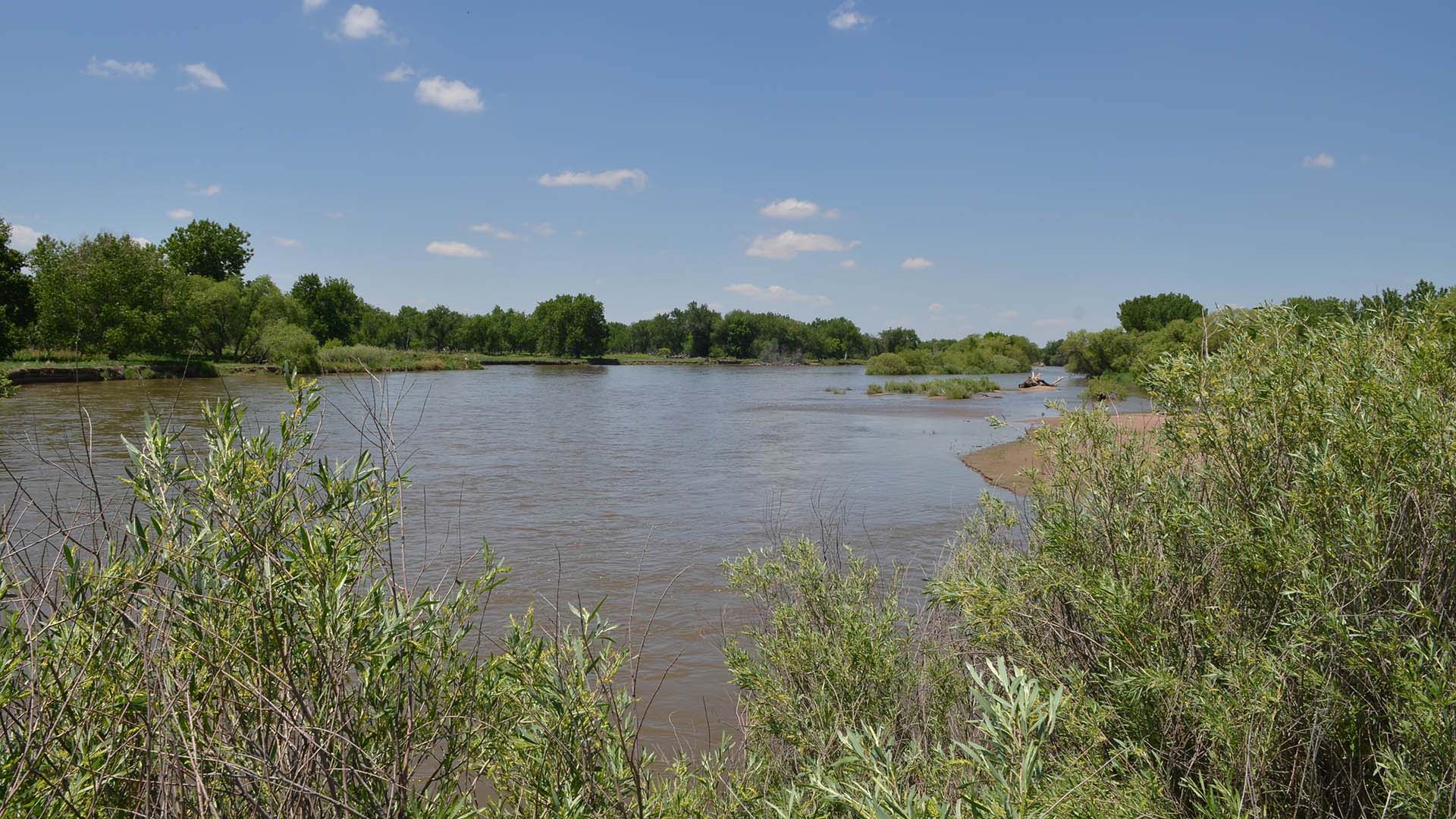
Northern Water plays a voluntary yet vital role in the Platte River Recovery Implementation Program (PRRIP), a multi-state partnership focused on restoring and protecting habitat for threatened and endangered species while supporting the continued development and use of water resources. Through habitat restoration, water management and adaptive management strategies, the program works to improve the ecological health of the Platte River system.

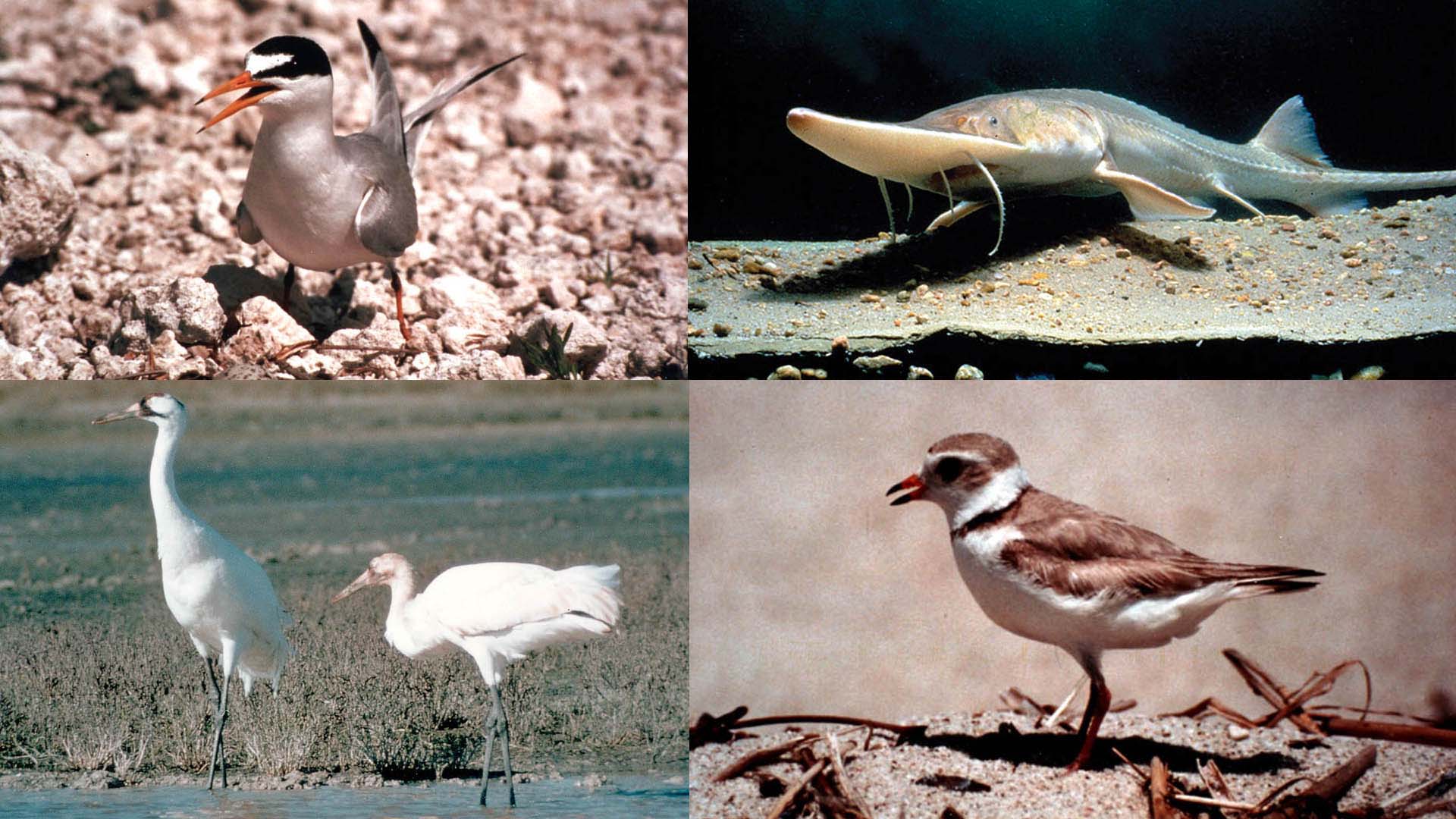
The Platte River Recovery Implementation Program helps to protect endangered species including (clockwise from top left) the least tern, pallid sturgeon, piping plover and whopping crane.

Protecting Species, Supporting Water Users

  1. Protecting Habitat and River Flows

    Launched in 2007 following years of collaborative planning, PRRIP brings together Colorado, Wyoming, Nebraska and the U.S. Department of the Interior to protect critical habitat and provide additional water to help meet target flows in Nebraska’s Big Bend Reach of the Platte River.

  2. Supporting Endangered Species Recovery

    PRRIP helps protect and restore habitat for four federally listed species: the whooping crane, least tern, piping plover and pallid sturgeon, while advancing long-term ecosystem recovery throughout the Platte River Basin.

  3. Representing Colorado Water Users

    Northern Water has been a principal negotiator and participant in PRRIP since its inception, representing Colorado water users through the South Platte Water Related Activities Program (SPWRAP). Through technical expertise, water management support and ecosystem recovery efforts, Northern Water helps ensure Colorado water users can participate in the program and receive its regulatory benefits.


The Tamarack Project

As part of the South Platte River recovery efforts led by the South Platte Water Related Activities Program (SPWRAP) and the State of Colorado, the Tamarack Project uses managed groundwater recharge to improve river flows during critical periods. This helps support endangered species in the Platte River while also enhancing wildlife habitat at the Tamarack Ranch State Wildlife Area.

The project works by retiming river flows: water is pumped or diverted from the river through nearby wells and ditches into strategically located recharge ponds on both public and private lands between Sterling and Julesburg. These diversions occur when Colorado water demands are low and river flows are in excess. The water then infiltrates into the ground, replenishing the tributary aquifer. Over time, the aquifer naturally releases this stored water back into the river, contributing a known volume—on average 10,000 acre-feet annually—to help meet U.S. Fish and Wildlife Service target flows in support of the Platte River Recovery Implementation Program (PRRIP).

In addition to supporting endangered species, these managed recharge efforts help offset the impacts of new water development in Colorado, ensuring a more balanced and sustainable approach to river management.

Tamarack Project Map