West Slope Cyanobacteria

Cyanobacteria Blooms and Why They Matter

Cyanobacteria, also called blue-green algae, are naturally present in lakes and reservoirs. Under certain conditions, such as warm temperatures, calm water and elevated nutrient levels, cyanobacteria can grow rapidly and form blooms. Some cyanobacteria blooms can produce toxins, known as cyanotoxins, that may pose risks to people, pets, livestock and wildlife. Algal blooms containing cyanotoxins are often referred to as harmful algal blooms. The Colorado Department of Public Health and Environment (CDPHE), provides statewide guidance for monitoring, evaluating and responding to cyanobacteria blooms and cyanotoxins in recreational waters and also establishes health-based recreational advisory thresholds.
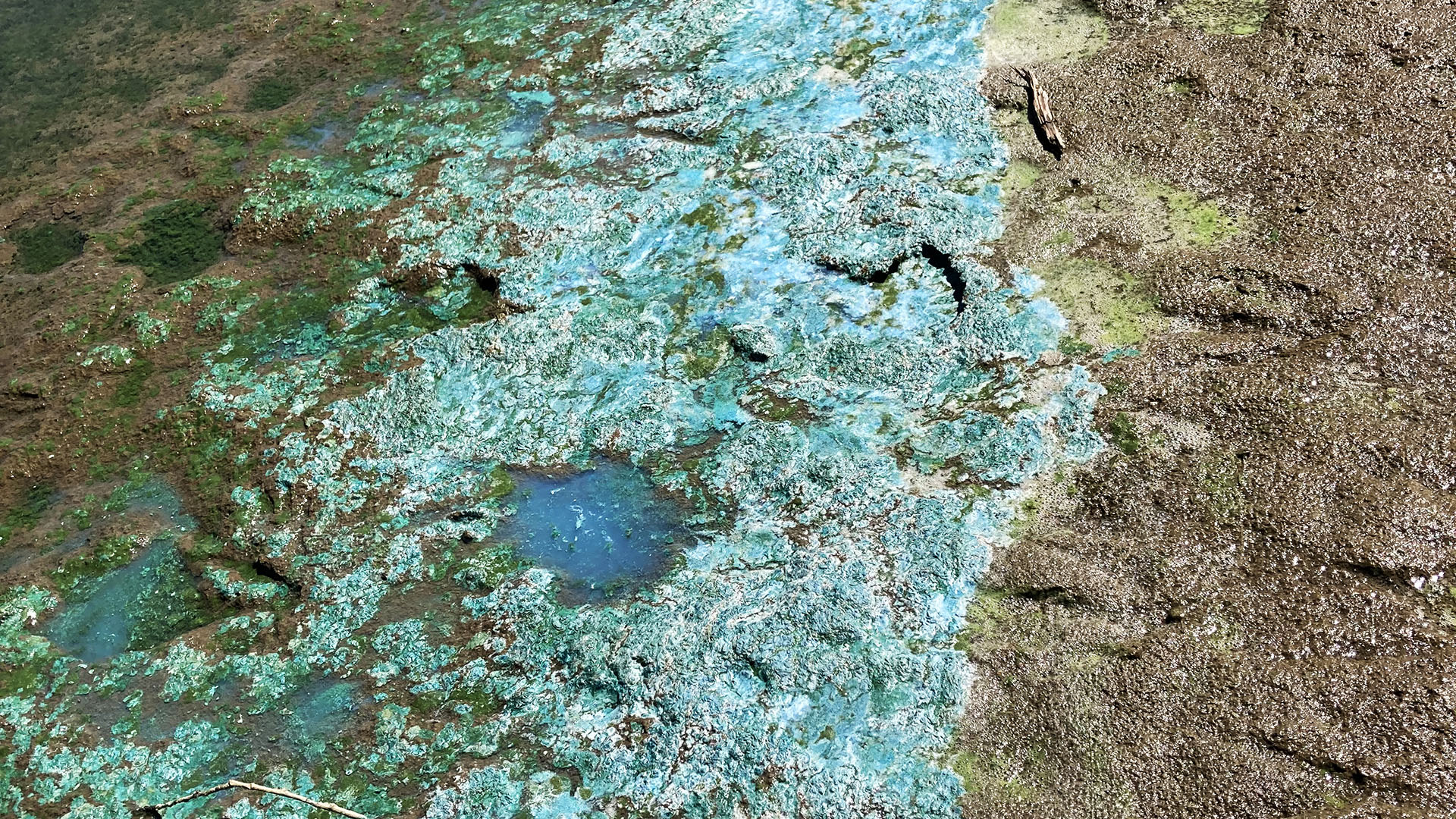
Algae growing along a water edge.

How to Recognize a Bloom 

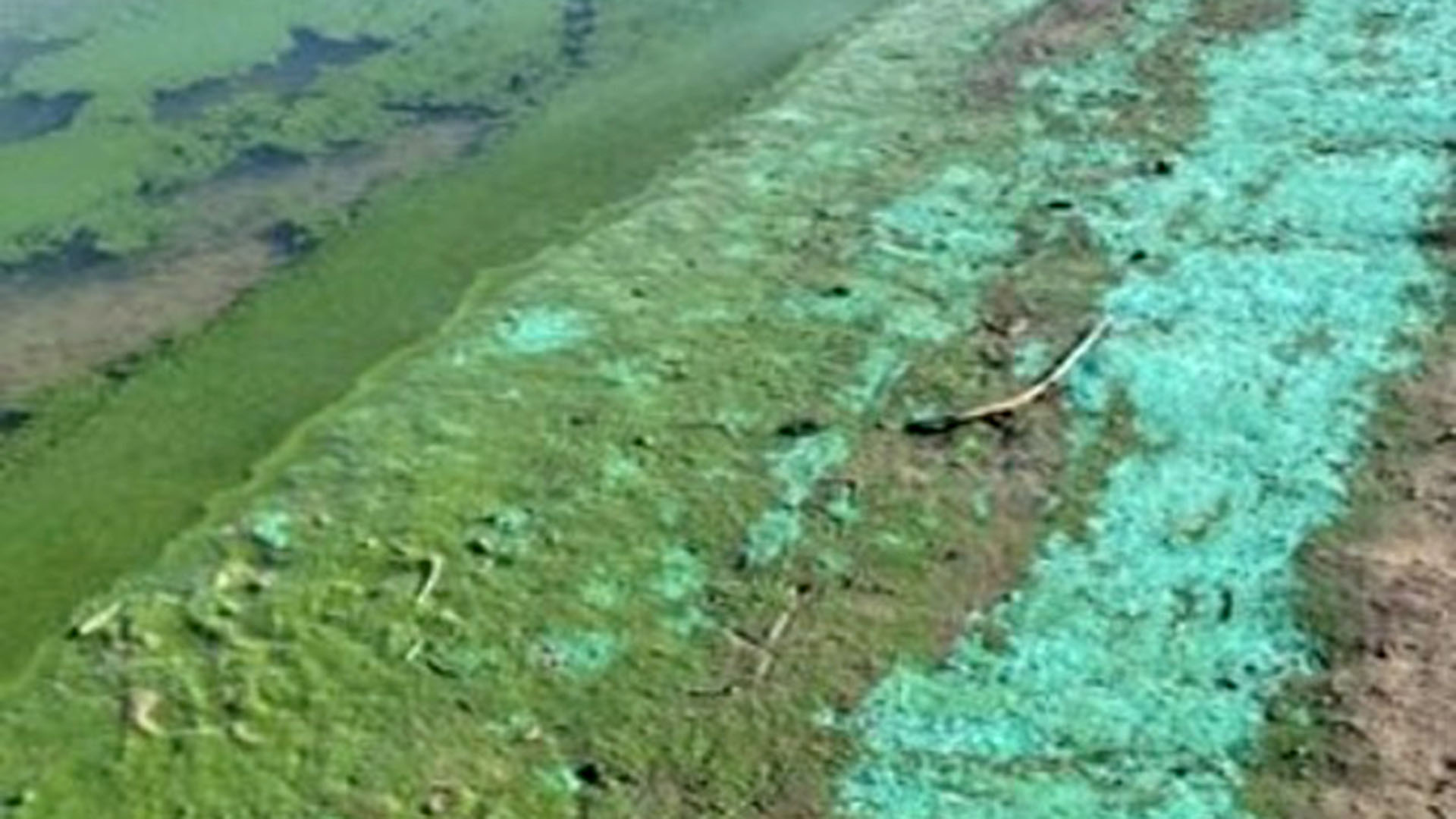
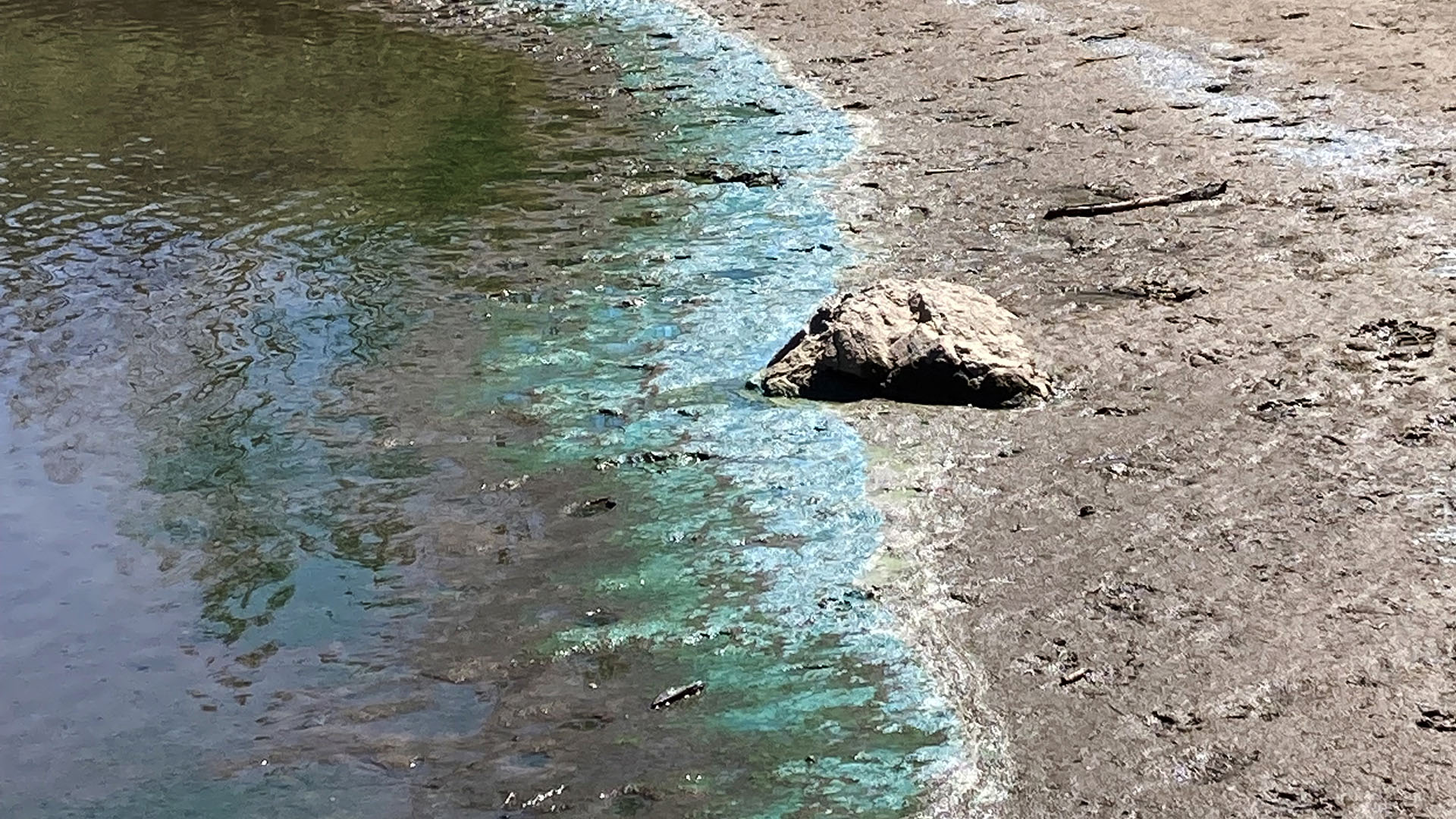
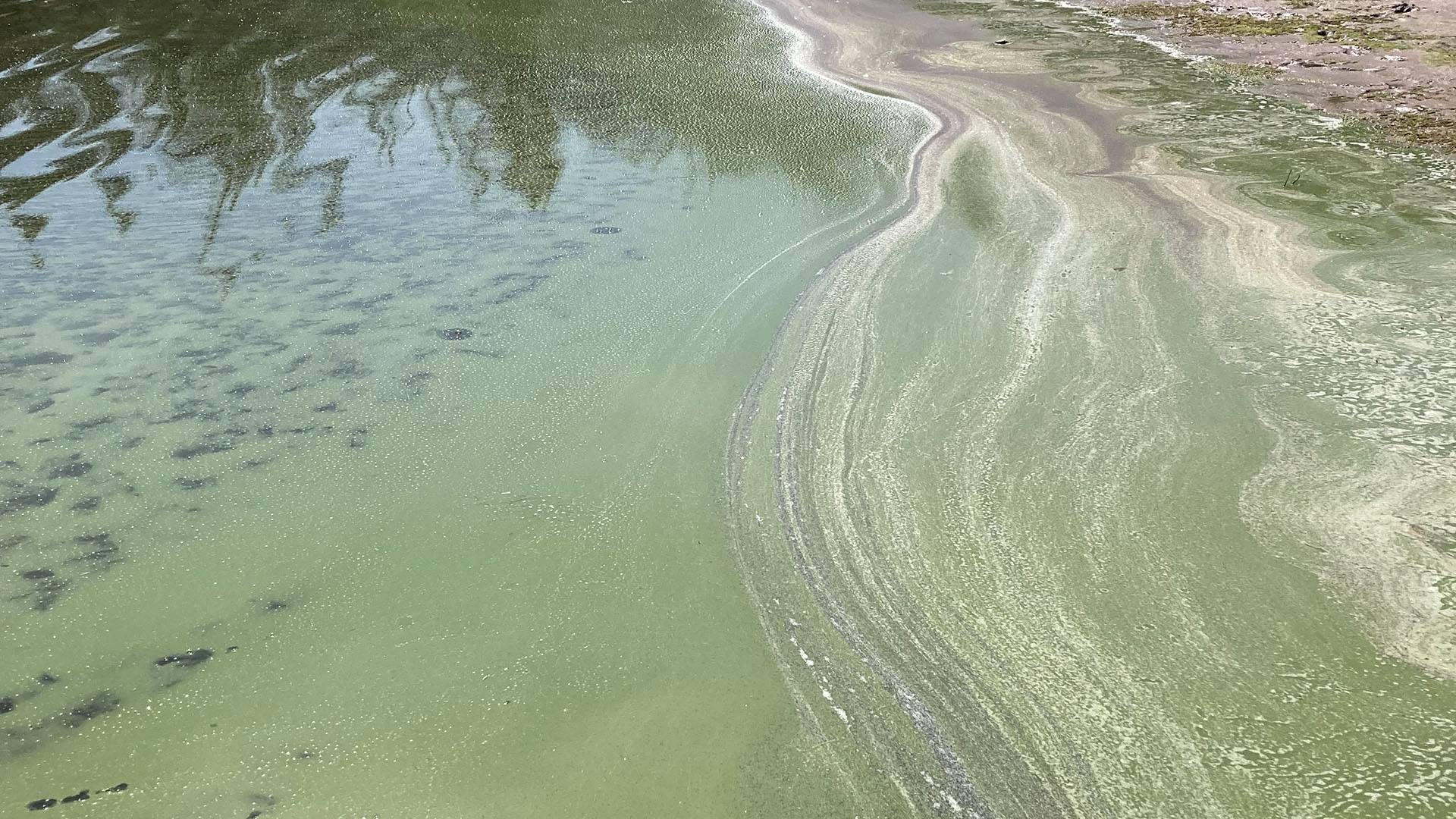
Cyanobacteria blooms can vary in appearance, but they often look like green paint floating on the water, pea soup, surface scums or accumulations of algae along the shoreline. Blooms may also appear as green, turquoise, white or reddish discoloration of the water. Because cyanobacteria can resemble other types of algae, it can be difficult to determine whether a bloom is harmful based on appearance alone. If you see suspicious algal growth, avoid contact with the water and keep pets away from the area.

Algae growing along a water edge.

Why We Monitor 

Following the East Troublesome Fire in 2020, large portions of the watersheds upstream of Grand Lake, Shadow Mountain Reservoir, Lake Granby and Willow Creek Reservoir were burned. Wildfire runoff can increase the amount of nutrients entering lakes and reservoirs, creating conditions that may favor cyanobacteria growth. The summer following the fire, there was a cyanobacteria bloom observed in Willow Creek Reservoir. In response, local and regional partners formed a coordinated cyanobacteria monitoring and communication program focused on protecting public health and keeping residents and visitors informed about changing conditions. The collaborative effort includes Grand County, Northern Water, Grand County Water Information Network (GCWIN), the Town of Grand Lake, the U.S. Forest Service, the Three Lakes Watershed Association and the U.S. Bureau of Reclamation.

Cyanobacteria Monitoring Program
Algae growing along a water edge.

Watching the Water, Protecting Public Health 

From mid-June through mid-October, trained staff routinely monitor popular recreation areas around Grand Lake, Shadow Mountain Reservoir, Lake Granby and Willow Creek Reservoir. Monitoring includes visual inspections for blooms, field screening tests and laboratory analysis for cyanotoxins when needed. The program follows guidance from the Colorado Department of Public Health and Environment. If cyanobacteria or cyanotoxins are detected at levels of concern, partner agencies coordinate public notifications, signage, follow-up sampling, and other protective actions to help ensure safe recreational use of the region's waters.