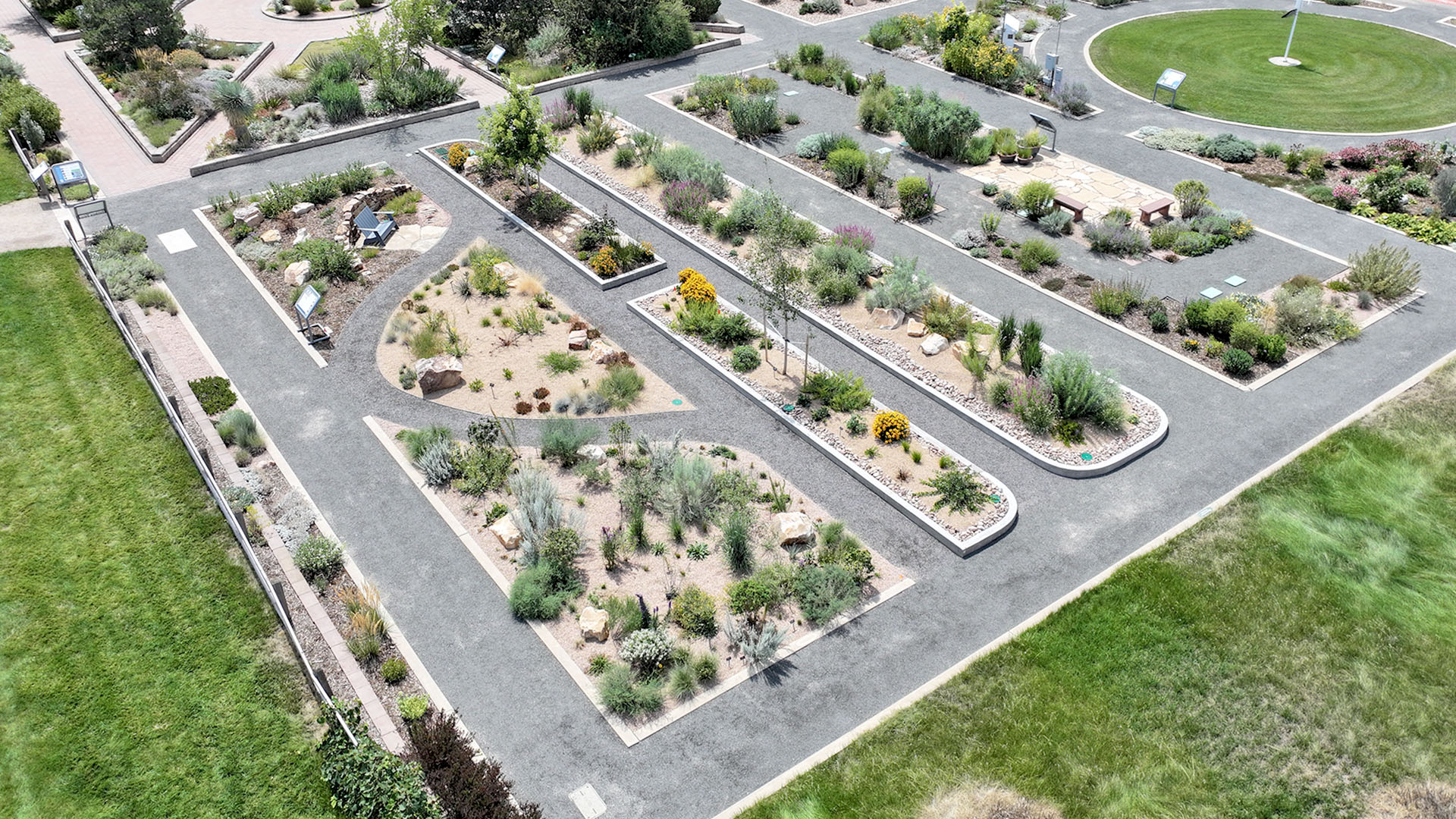
Conservation Campus and Gardens

Conservation Campus: A Tool for Water Efficiency
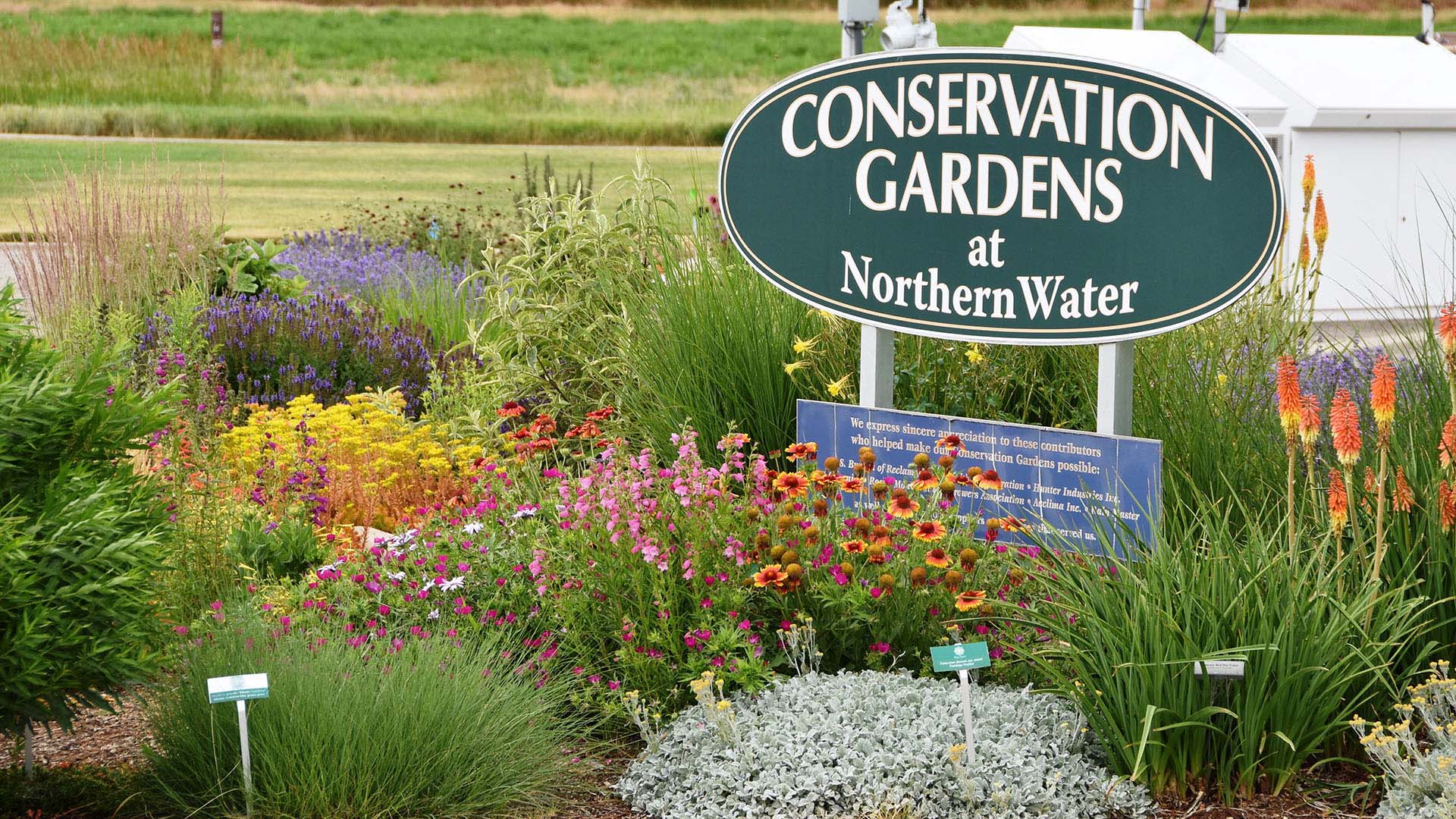
Conservation Campus and Gardens Open to the Public Daily 

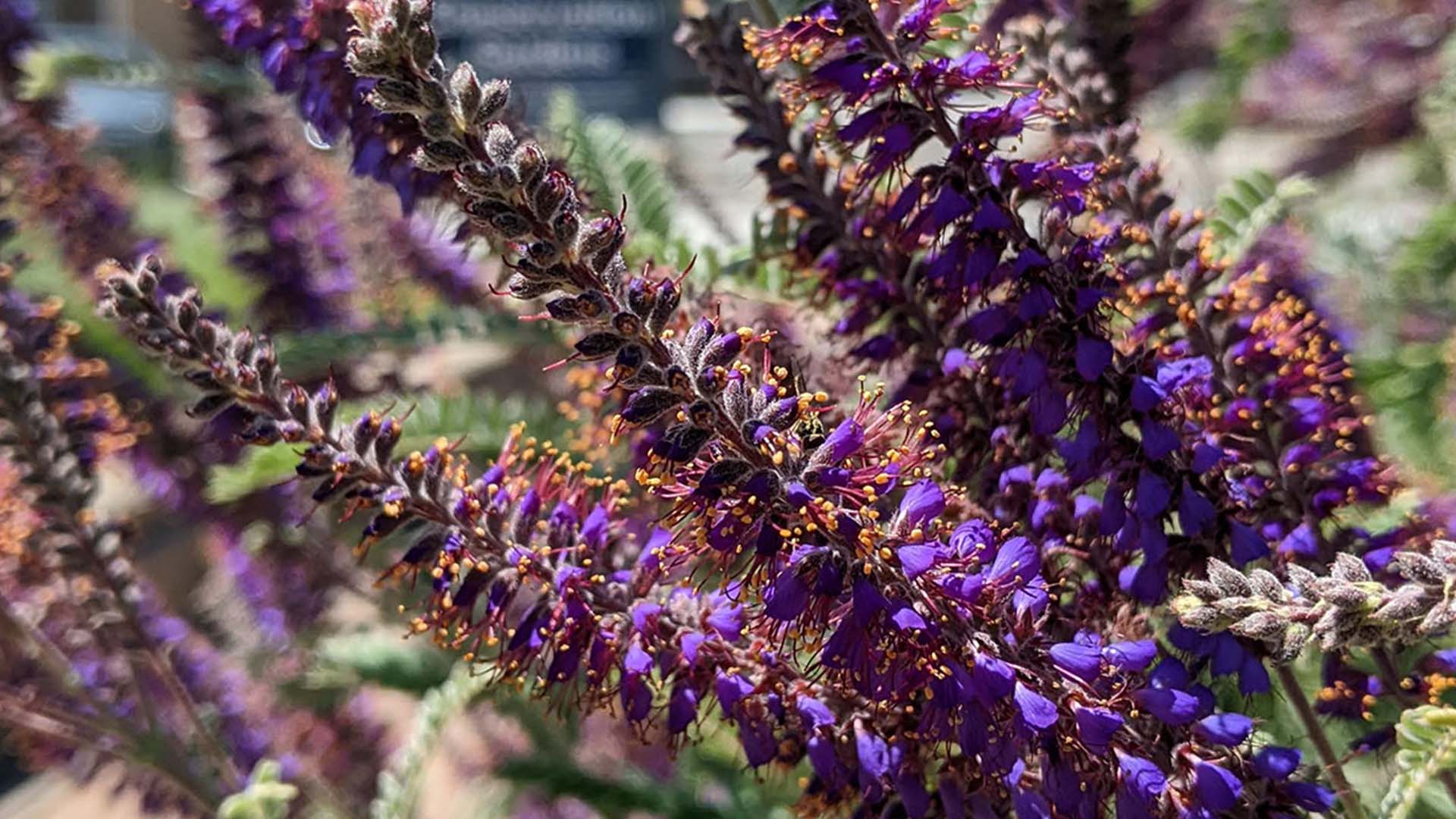
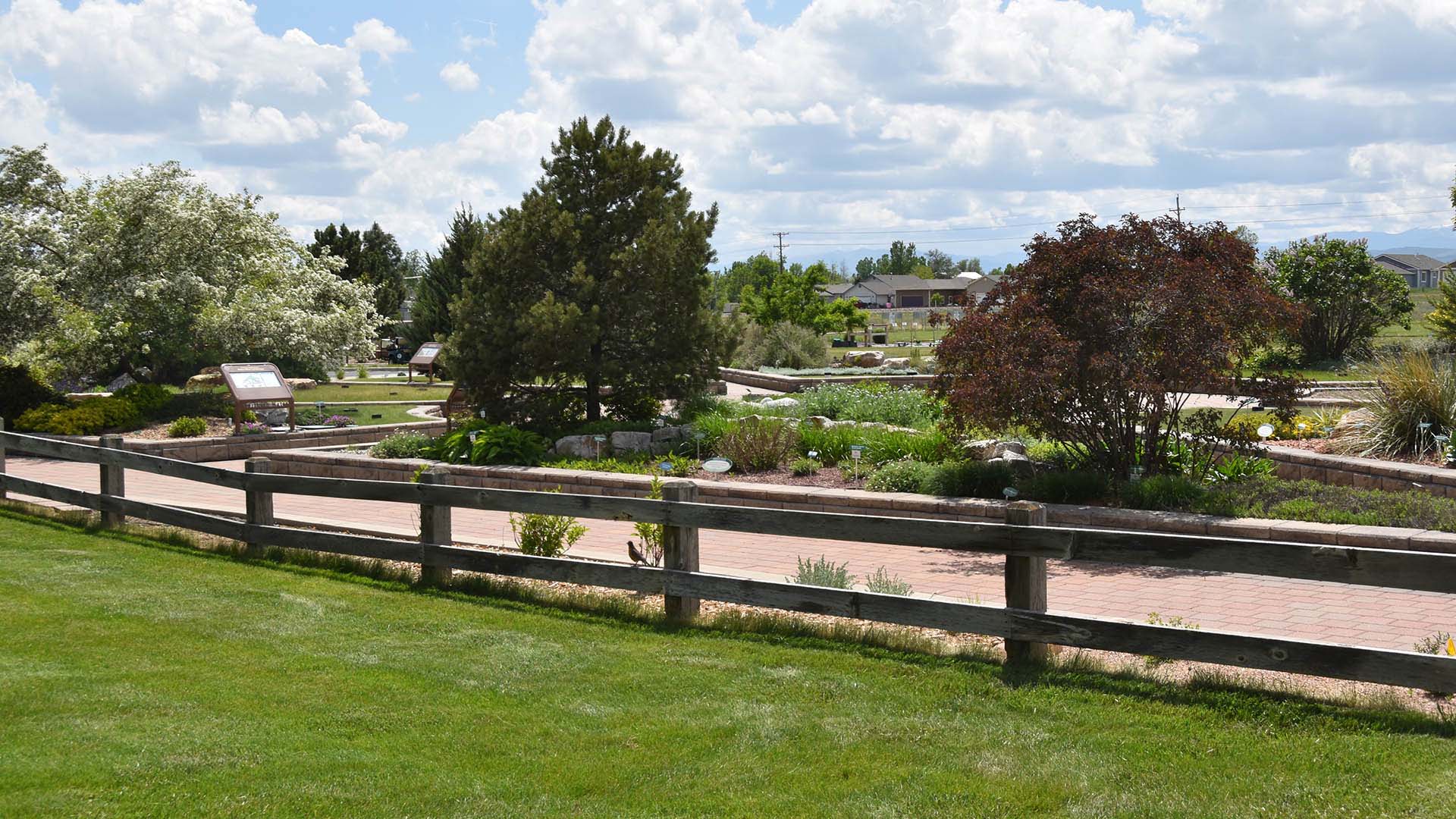
Northern Water’s Conservation Campus and Gardens serve as a living classroom, providing public education on water-wise landscaping, plant selection, turf alternatives and conservation techniques. Visitors can explore a wide variety of plant species suited to Colorado’s semiarid climate while learning how thoughtful landscape practices can significantly reduce water use. Through hands-on demonstrations and curated displays, the gardens illustrate how efficient irrigation methods and smart design choices can create beautiful, sustainable outdoor spaces.

From Vision to Impact

  1. Purpose and Educational Vision

    At its core, the Conservation Campus is designed to deepen understanding of the relationship between landscapes and broader community values—including health, wellness, environmental stewardship and the responsible use of natural resources. The gardens aim to inspire homeowners, landscape professionals and industry stakeholders to adopt practices that conserve water without sacrificing aesthetic or functional quality. By connecting landscape design with ecological impact, the campus reinforces the importance of sustainable living in Colorado’s unique climate.

  2. History and Development

    The vision for the Conservation Gardens was rooted in Northern Water’s long-standing commitment to water conservation education. Early efforts focused on agricultural efficiency and delivering practical conservation guidance to homeowners and professionals. This mission expanded over time to include demonstration landscapes that bring those principles to life. After relocating to its Berthoud headquarters in 2002, Northern Water began planning the gardens, transforming the concept into a tangible resource. The Conservation Gardens officially opened to the public in 2007, becoming a cornerstone of the organization’s outreach and education efforts.

  3. Demonstration Areas and Features

    The gardens showcase a range of practical, research-based landscaping techniques. Visitors can observe demonstrations of native and alternative grasses, advanced irrigation technologies and effective soil preparation methods. A key highlight is the ColoradoScape (xeriscape) plaza, which illustrates multiple water-efficient landscaping styles tailored to Colorado’s climate. These interactive displays provide real-world examples that visitors can adapt for their own properties, making the gardens both inspirational and highly practical.

  4. ColoradoScape Principles in Practice

    Central to the Conservation Gardens is the promotion of the seven principles of ColoradoScape (xeriscape), which guide water-efficient landscape design: thoughtful planning and design, efficient irrigation, appropriate use of mulches, proper maintenance, soil improvement, strategic zoning of plants and the use of turf alternatives. By demonstrating these principles in action, the gardens offer a clear, actionable framework for reducing outdoor water use while maintaining vibrant, functional landscapes.

  5. Lasting Impact

    Overall, the Conservation Campus and Gardens stand as a comprehensive resource for sustainable landscaping in Colorado. They not only educate but also empower individuals and communities to make informed decisions that conserve water, enhance environmental health and create resilient outdoor spaces.
 

A Move Toward a Conservation Campus

In recent years we’ve expanded our focus to take our practices and evaluations of landscape management and water use efficiency throughout our campus to provide additional demonstration examples.  

 
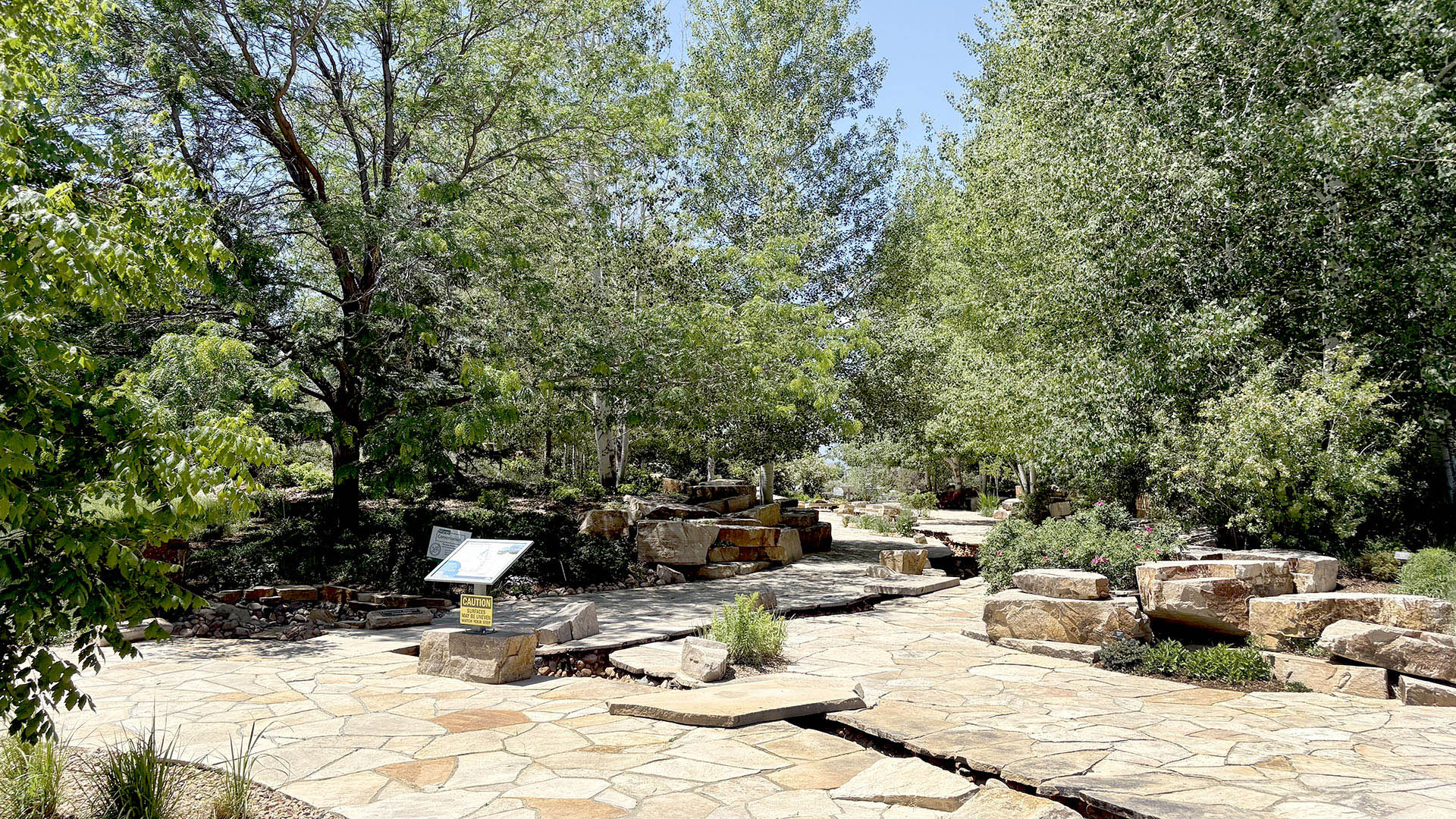
Interpretive Area in Northern Water backyard with water feature and trees.
Interpretive Area

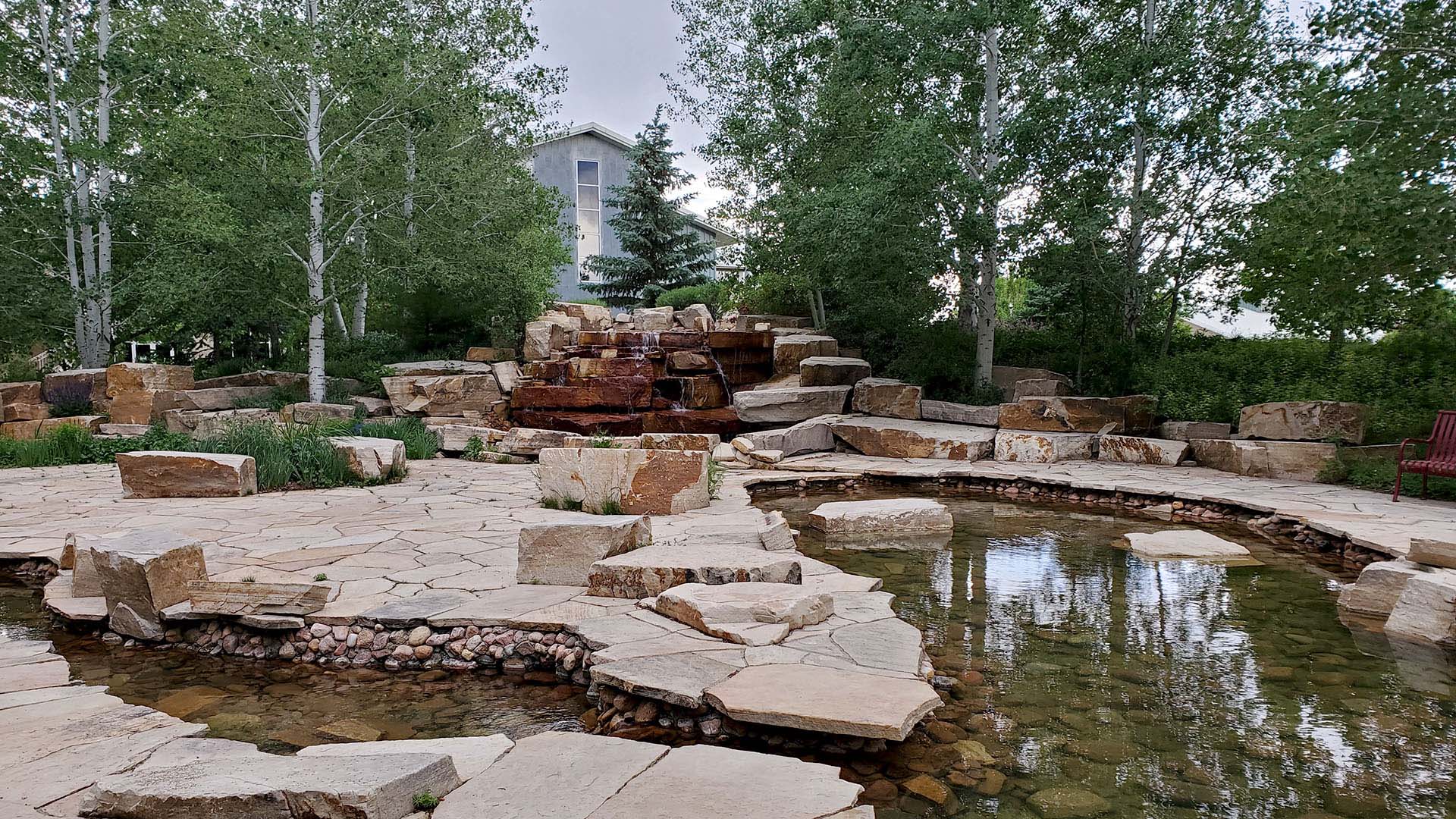
While simple in concept, the design of the Colorado-Big Thompson Project can be quite complex so Northern Water created a interpretive area in the backyard of the Berthoud headquarters. This small-scale replica includes a recirculating water feature with 13 reservoirs from the C-BT and Windy Gap projects, the Continental Divide and the Alva B. Adams Tunnel to give people a feel for how water is delivered. 

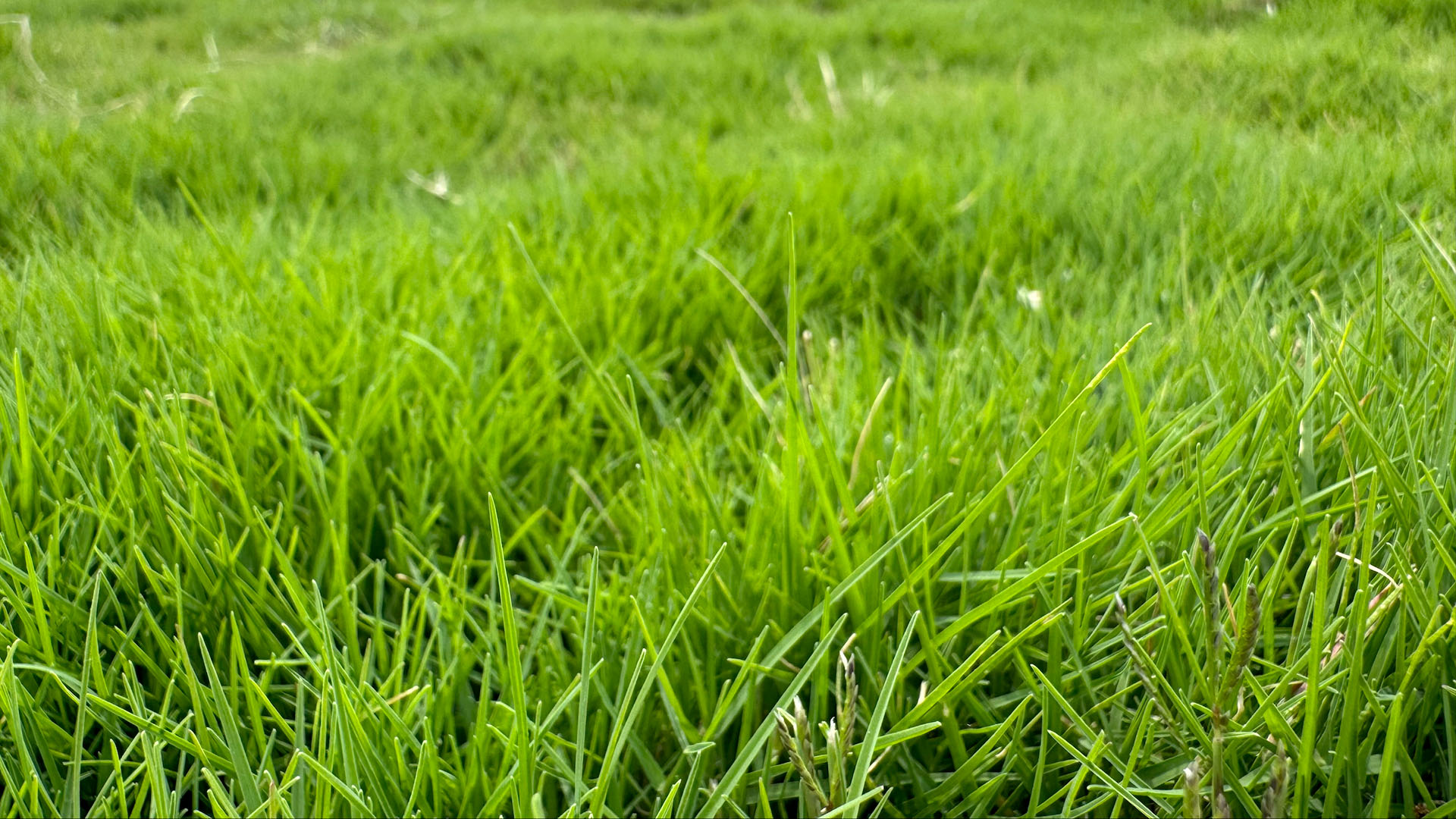
Blades of Dog Tuff Grass which are more water efficient.
Native Grasses

Native grasses require less irrigation, mowing and chemical treatment. Colorado native grass species support and maintain the native ecosystem. The use of native species is beneficial because they are adapted to our region. They require less need for irrigation, mowing and chemical treatments, while also providing a beneficial habitat for a variety of pollinators, birds and other species. 

Trees planted alongside a fence.
Trees 

Northern Water has added numerous trees throughout the years to its Berthoud headquarters campus. From a distance they are beautiful, strong and resilient. Behind the scenes they are improving air quality, creating oxygen, cleaning water, providing habitat, cultivating health and wellness, increasing property value and reducing surface temperatures. Find our tree map on the Colorado Tree Coalition website.

Stormwater basins on campus collect water.
Stormwater Basins

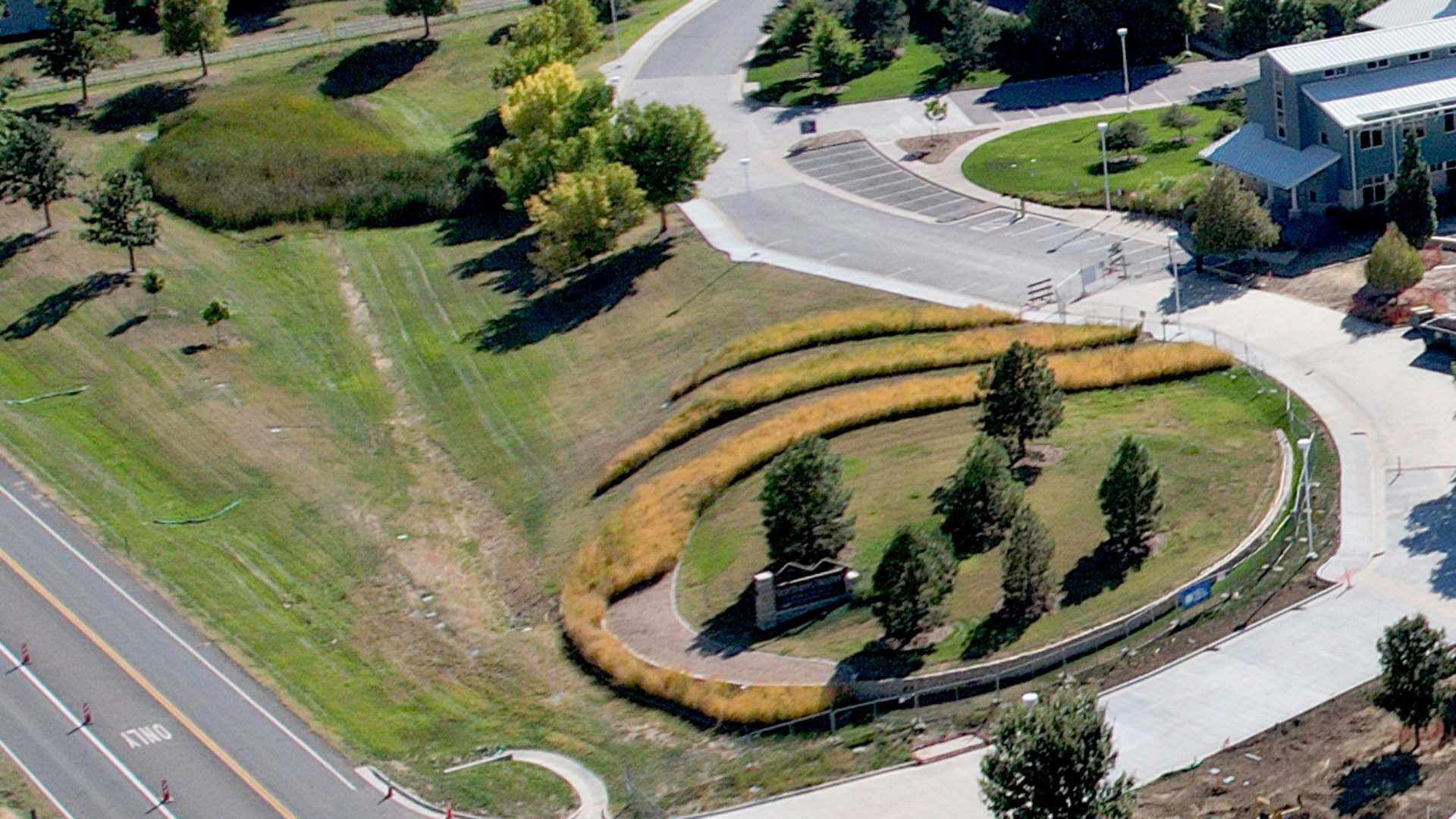
On the Northern Water Berthoud and Willow Creek campuses, stormwater basins maximize surface area to naturally collect and filter nutrients and minerals. Our retention basin is designed to permanently maintain and control stormwater. These basins are surrounded by natural vegetation to improve bank stability and to assist with water filtration. 

Vehicle plugged into an electric vehicle charging station.
Electric Vehicle Chargers

Thanks to Charge Ahead Colorado, an initiative from the Colorado Energy Office, Northern Water received a grant to help fund the installation of an electric vehicle (EV) charging station. Northern Water also has additional chargers in the parking lot to the west that support our Conservation Campus. These Level 2 chargers have two charging ports per charger. 

Water dripping from a faucet.
Indoor Features

In 2018, Northern Water began addressing efficiency opportunities within our building by retrofitting our restrooms with WaterSense-approved fixtures that will save us at least 20 percent on our restroom water use. A campus wide landscape irrigation audit identified opportunities to improve our irrigation efficiency and remove nonpractical turf areas. 

Gardens are a Teaching Tool
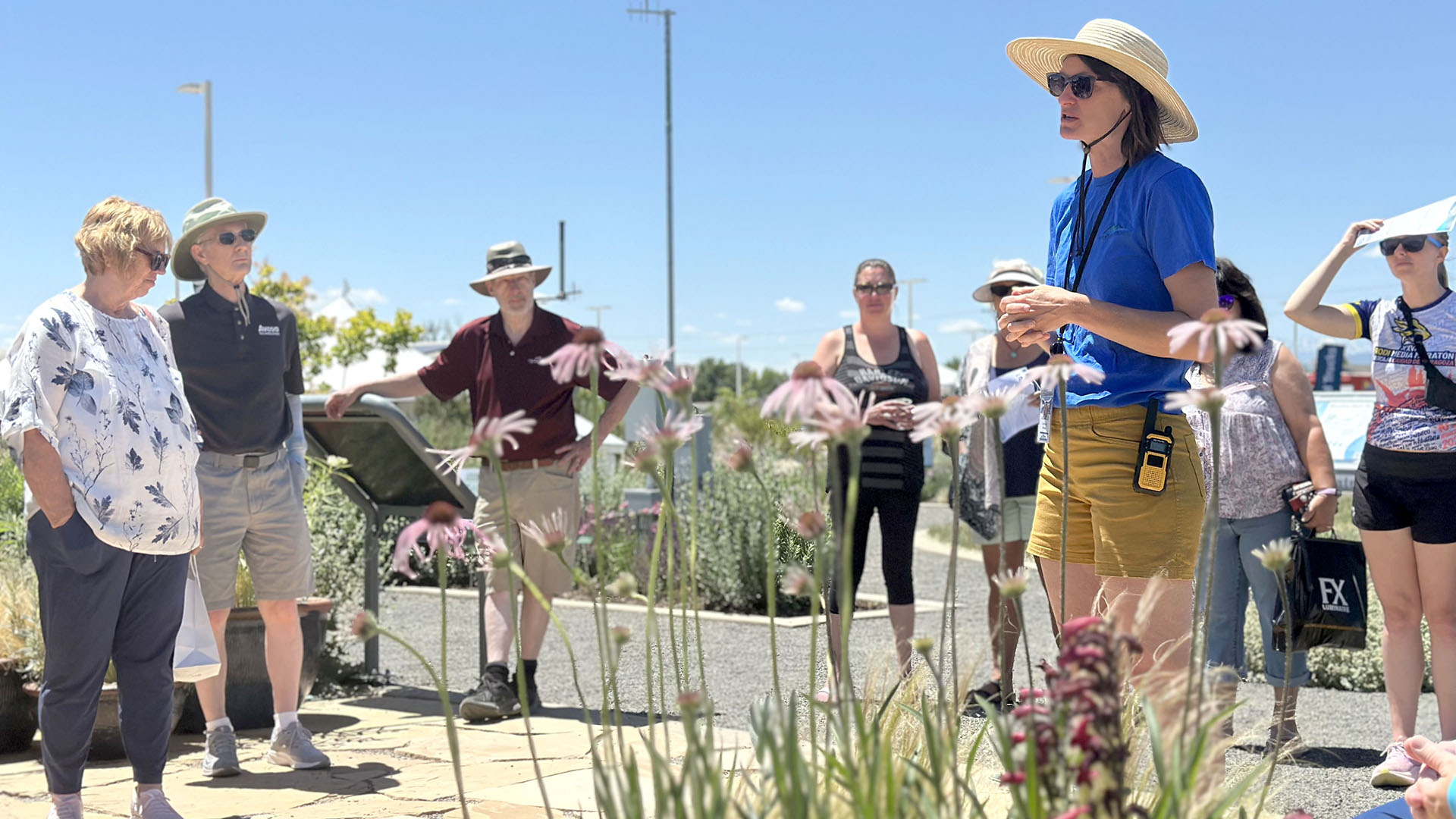
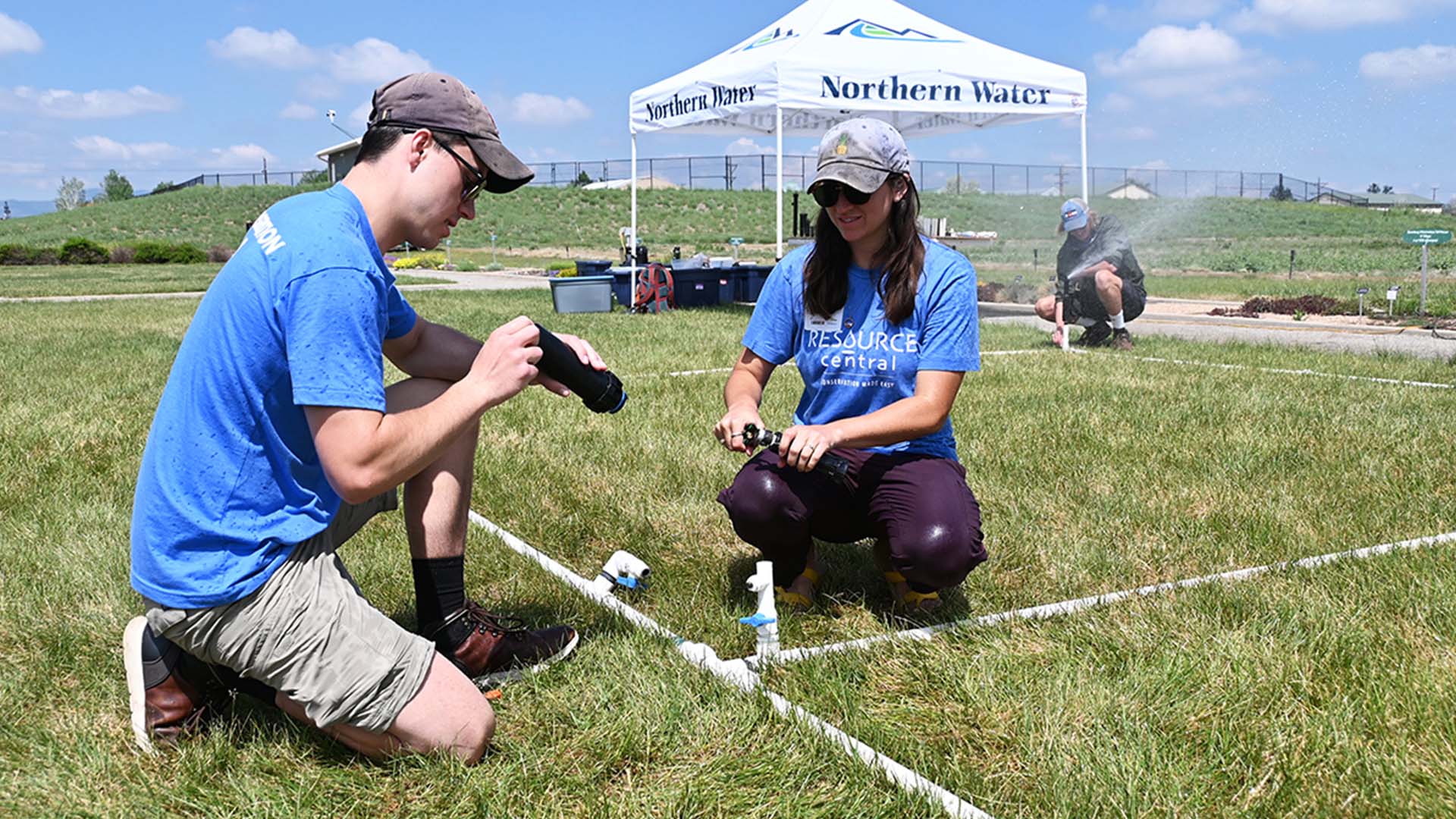
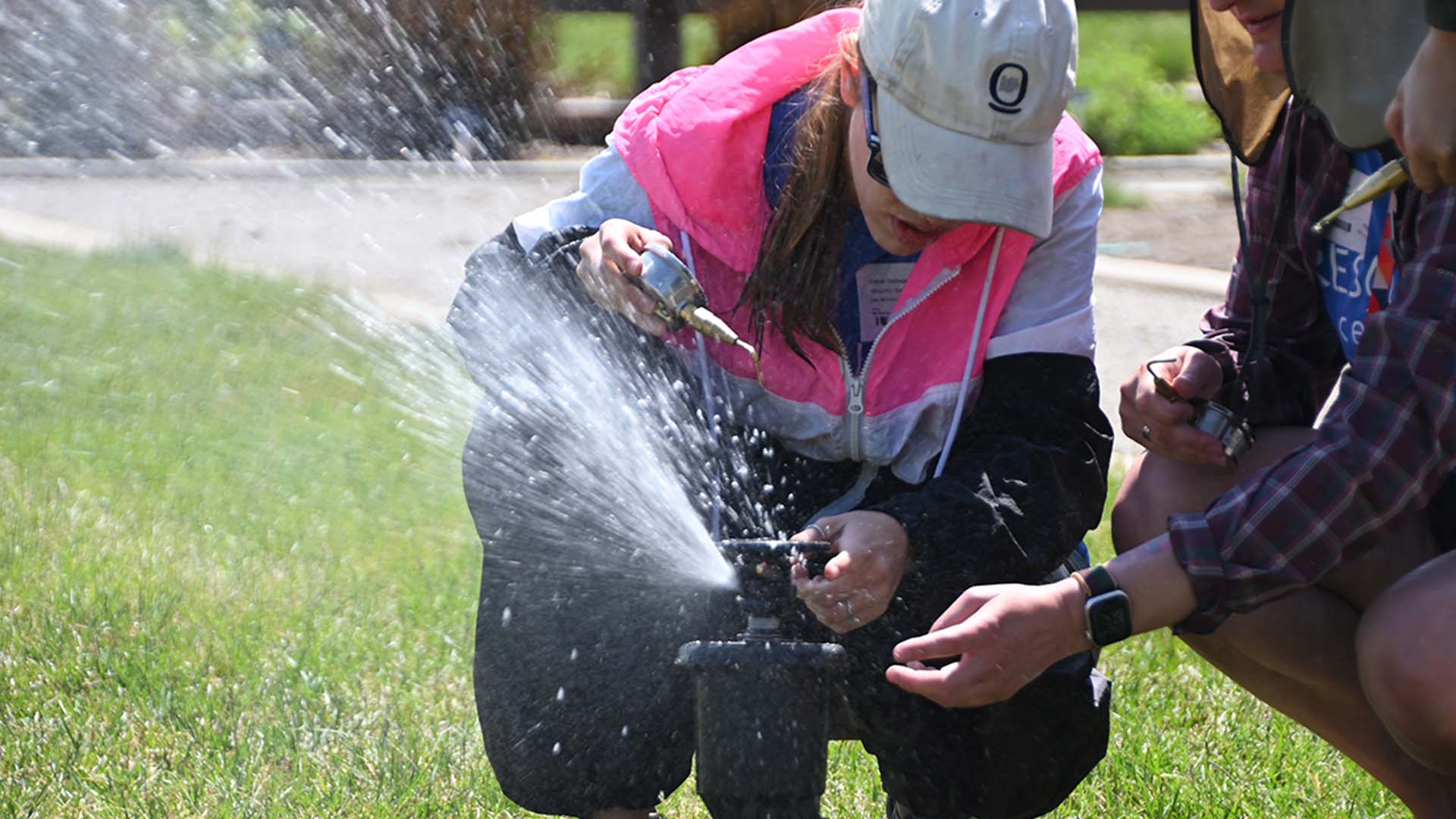
The Conservation Gardens serve as a hands-on teaching tool for the public. Northern Water hosts technical tours for water professionals, landscapers, contractors, consultants, students and other groups, providing practical, real-world guidance on water-efficient landscaping.

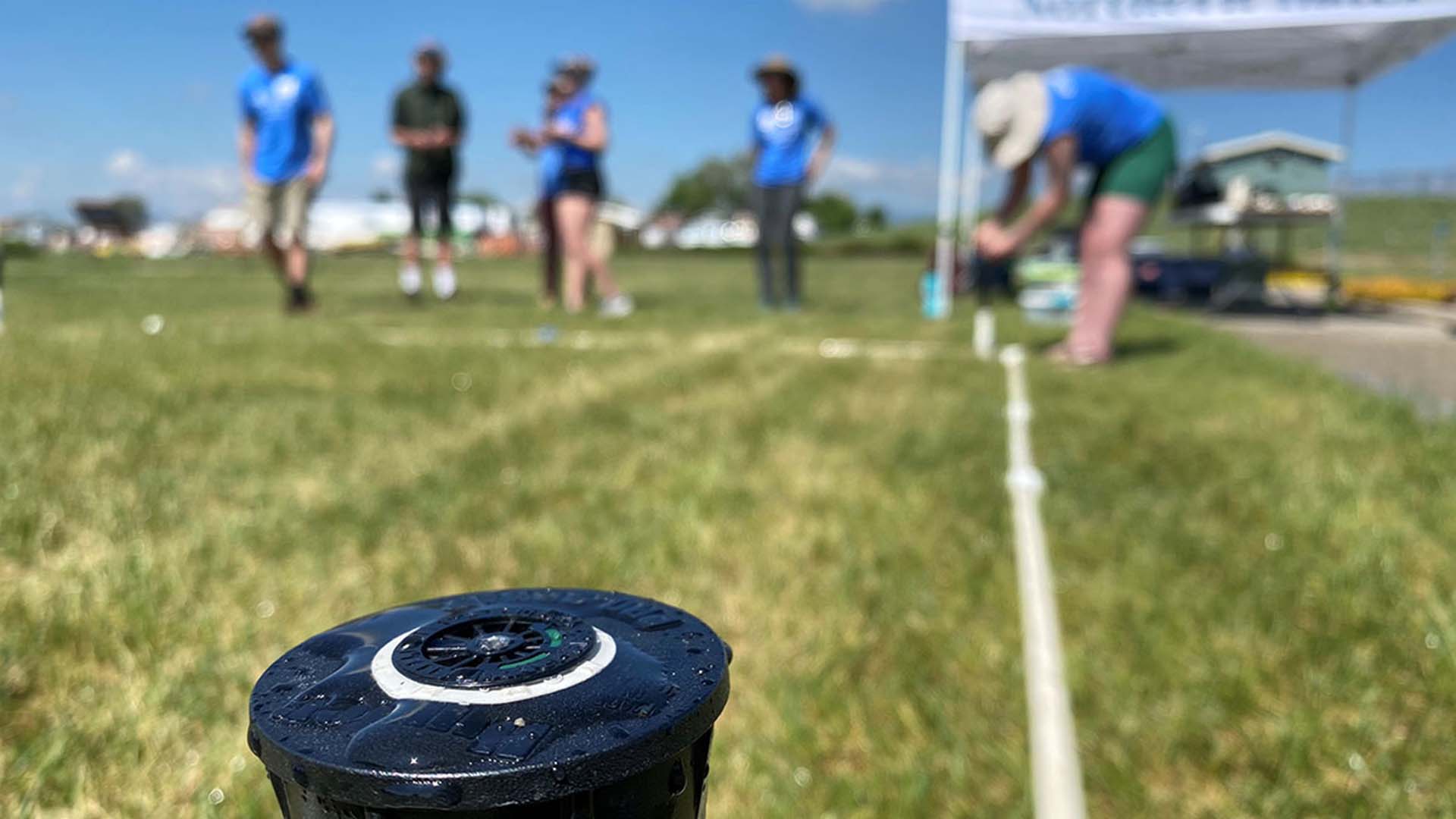
The gardens offer a variety of events, classes and professional training opportunities. Demonstrations focus on water-saving techniques, including smart plant selection, irrigation maintenance, and efficient water management practices that visitors can apply in their own landscapes.

Employee giving a gardens tour during the fair.

Visiting the Gardens

Visitors are welcome to explore the Conservation Gardens and Interpretive Area at their own pace. Educational signage and brochures throughout the site provide guidance and insights. The gardens are open daily from sunrise to sunset. For a more in-depth experience, guided tours are available by contacting Lindsay Nerad or sign up for one of the monthly seasonal tours listed on the events calendar.

Register for Monthly Garden Tours
 
The Interpretive Area at Northern Water shows small water features that depict the real reservoirs.

Project Replica Displays Water Movement


The Colorado-Big Thompson (C-BT) Project—Colorado’s largest transmountain water diversion—provides supplemental water for agricultural, municipal, domestic and industrial uses across northeastern Colorado. The Windy Gap Project complements the C-BT system. It collects water in a West Slope reservoir and pumps it to Lake Granby for storage and delivery through the C-BT network.

To help the public better understand these systems, Northern Water created an interpretive area at its Berthoud headquarters. Located within the Conservation Gardens, this small-scale, recirculating water feature represents key elements of both projects, including the Continental Divide and the Alva B. Adams Tunnel. While the water feature operates from late April through early October, the interpretive area is open to visitors year-round during daylight hours.