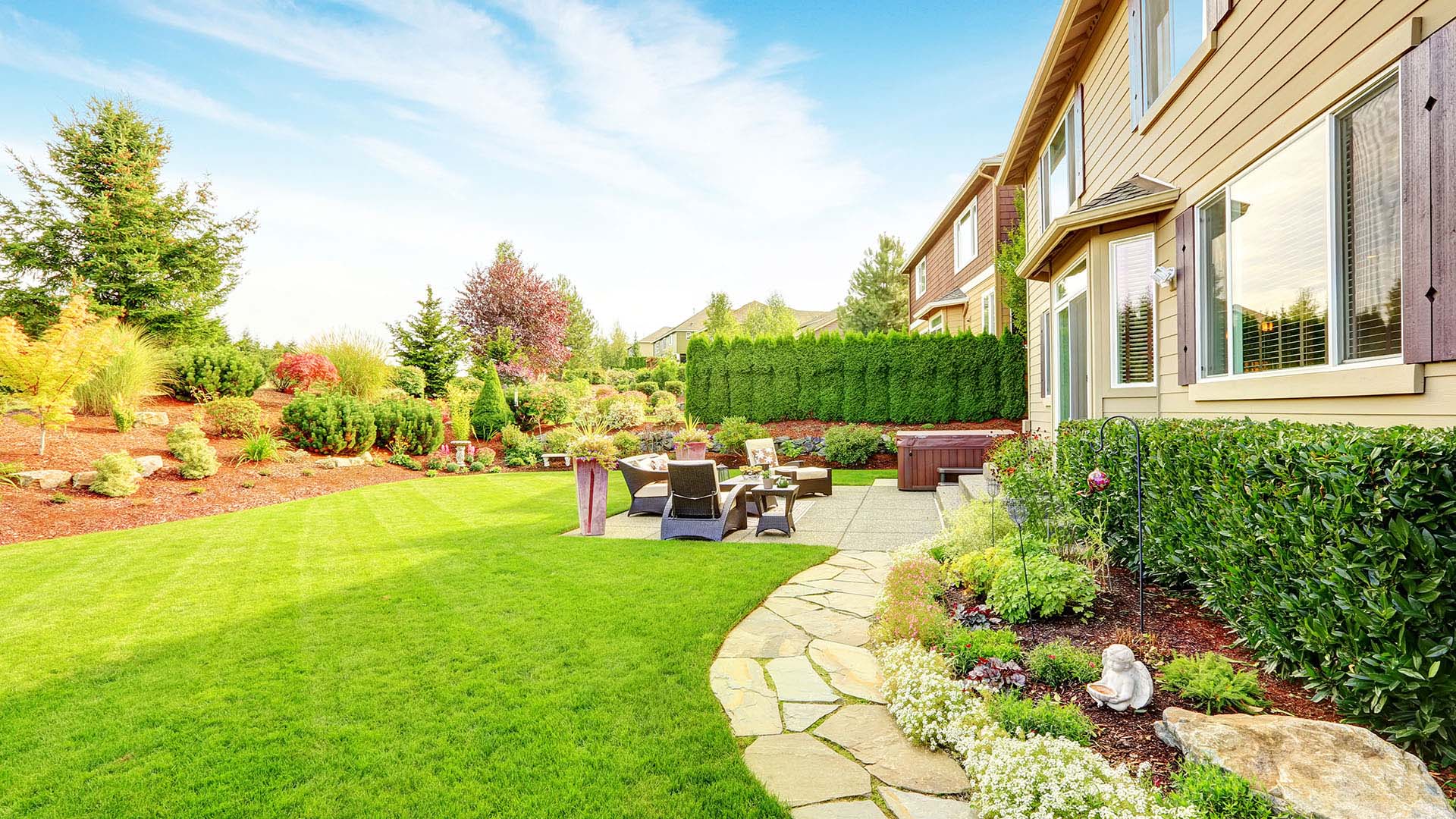
Throughout time, landscape designs, functions and features that may no longer meet the needs of the community and owners. It may be time to reinvestment, reimagine and renovate your existing landscape while considering the many benefits that a new landscape will provide.
Partnerships allow Northern Water to expand our mission and extend our reach into the communities we serve. Our partners outlined below offer a variety of professional services to our water users, participants and allottees allowing us to offer relevant resources throughout the year.
Be Sure to Know Your Local Municipal Ordinances
Commercial landscape renovations and other sizable projects will require additional steps to ensure they are in compliance with local municipal ordinances. Before starting any work, be sure to complete the following:
Contact your local planning office to discuss the project scope and process required for approval.
Depending on the project under consideration, you may have to hire a landscape architect, landscape designer, or irrigation designer to satisfy design requirements for the municipality.
Submit an application to amend the final development plan. Specific plans and fees may be required.
This will vary in each municipality, and the timeline for the review can take one to six months, depending on the complexity, size and location of the project. Rebates, grants and incentives might be available. Check with your local municipal offices and other entities to see if such support could assist with your project.
Landscape Certifications: Get More out of the Landscape You Manage
Your landscape can do more than look nice and be water smart; it can also be more sustainable. Many public and private landscape managers are looking to implement sustainability, water conservation and address habitat loss through the land they control. As a result, non-profits have created frameworks to help in the planning efforts. They provide landscape certifications for residential and commercial landscape managers to adopt when renovating or creating new landscapes. These models seek to provide diversified landscape benefits, including habitat, ecosystem services, drought resilience and reduced water use. They frequently employ native plants, efficient irrigation and the opportunity for signage. In order to accomplish these diverse goals, they may look different than traditional landscapes, using less turf, hosting a variety of plant and landscape material, and sustainable practices.