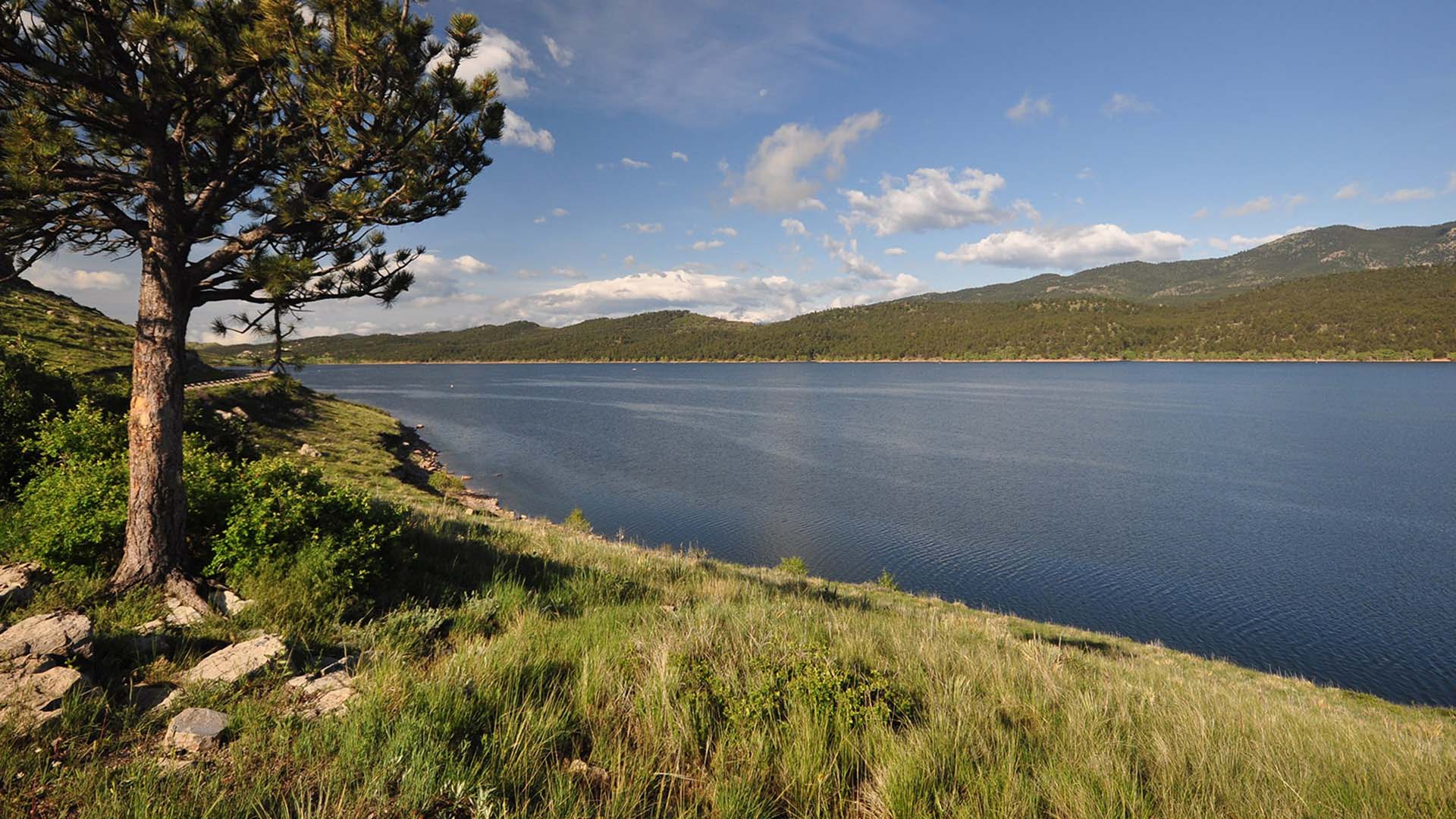
An invasive species has added Carter Lake to its list of locations in Colorado where it has been found. The New Zealand mudsnail will affect the ecosystem at the reservoir, but it shouldn’t have an impact on Northern Water water infrastructure.
The mudsnail’s presence in the reservoir was announced in August, with the biggest impact of the invasive aquatic species being to the ecosystem of the water body. New Zealand mudsnails eat algae and other aquatic life that is then eaten by insects, creating effects that ascend the food chain to bigger creatures. They can survive digestion by fish that eat them and offer no nutritional value.
For Northern Water infrastructure that delivers water from Carter Lake to downstream users in Larimer, Boulder, Weld, Broomfield and Morgan counties, the presence of the creatures will require additional attention but should not have an adverse impact on water deliveries.
The mudsnails can clone itself to infest a water body. Larimer County, which manages recreation at Carter Lake, will be working to educate the public about the spread of the mudsnail and how to properly wash boats, paddleboards, kayaks and other watercraft to prevent further spread.
First discovered in Colorado waterways in 2004, the New Zealand mudsnail has been detected in Boulder Creek, St. Vrain Creek and other locations in Northern Colorado.
For additional information, please contact Colorado Parks and Wildlife at 303-297-1192.