Chimney Hollow Environmental Stewardship

Enhancing the Environment While Securing Water Supplies
The Chimney Hollow Reservoir Project is located within a relatively pristine valley that contains geologic wonders, sensitive vegetation communities, special status species and important cultural resources. Constructing, operating and maintaining a large reservoir in this setting requires a strong commitment to environmental stewardship.  

In addition to compliance with all applicable federal, state and local environmental laws and regulations, the Municipal Subdistrict has implemented measures to avoid, minimize and enhance environmental impacts beyond minimum requirements. These efforts reflect a commitment not only to meeting permit obligations, but improving environmental conditions where possible. 

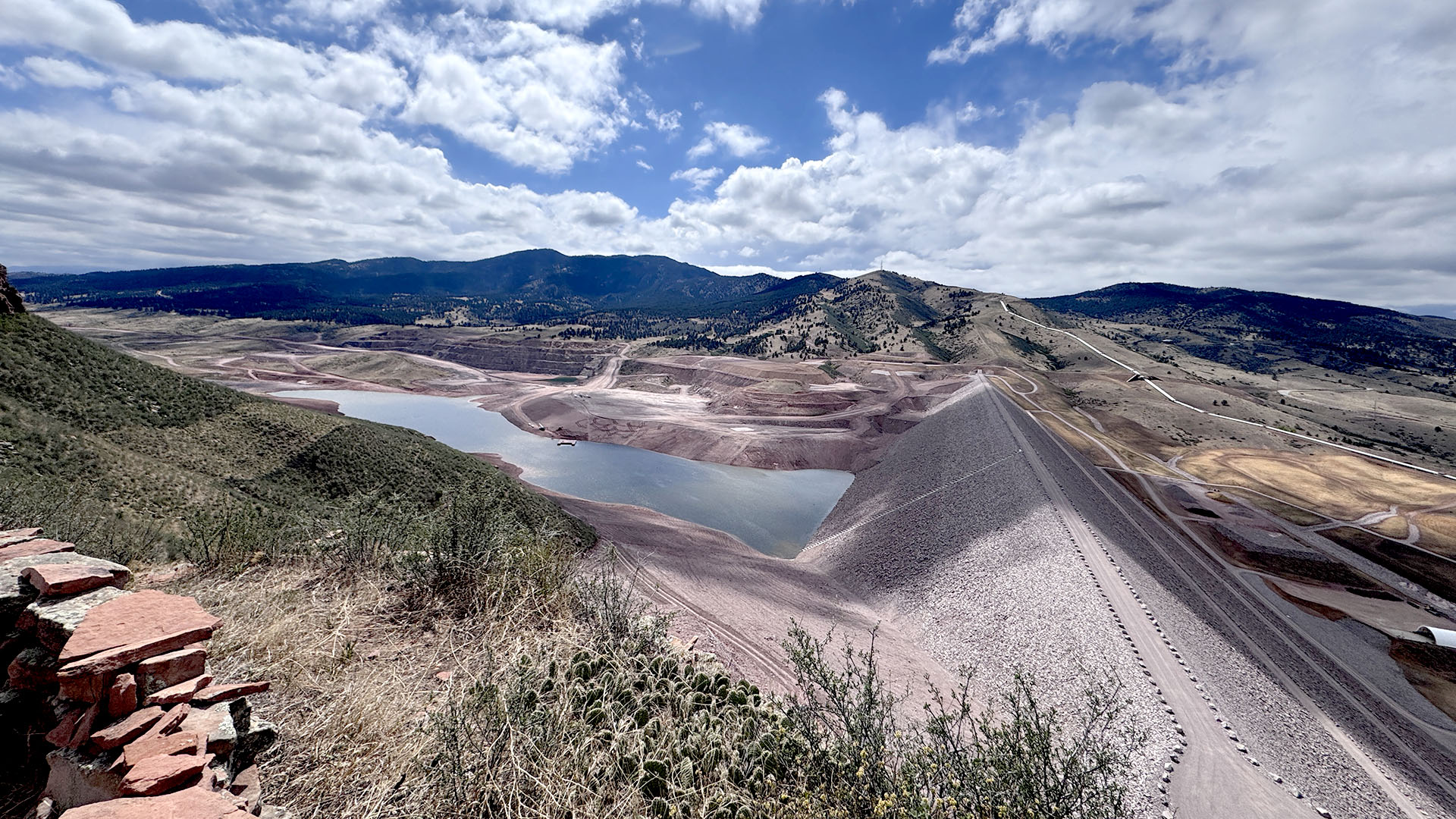
Overview photo showing a water dam with water behind it. Mountains in background.

Extensive Review, Greater Commitment

  1. Higher Standard of Stewardship

    The Chimney Hollow Reservoir Project underwent extensive review under the National Environmental Policy Act (NEPA), a process that began in 2003. NEPA and Colorado's requirement for a plan focused on fish and wildlife are among several processes in place to identify mitigation measures that addressed the project's impacts. However, the 12 participants committed to a suite of environmental enhancements that extend far beyond the legal requirements.  

  2. Balancing Reliability and Protection

    For nearly a decade, project proponents worked with West Slope communities, environmental organizations and other stakeholders to develop solutions that balance water supply reliability with environmental protection. The resulting plan includes significant investments in river restoration, habitat improvements and other measures to benefit the Colorado River. 

  3. Collaborating for Future Generations

    The Municipal Subdistrict has worked closely with environmental stakeholders and regulatory agencies throughout project planning, construction and implementation. Collaborating organizations include Larimer County, Colorado Parks and Wildlife, the U.S. Fish and Wildlife Service, the U.S. Army Corps of Engineers, the U.S. Bureau of Reclamation, the State Historic Preservation Office, Tribal Nations and more. Together, these efforts help protect, conserve and enhance the Chimney Hollow valley for future generations.  

Grand County Permit and Cooperative Agreements
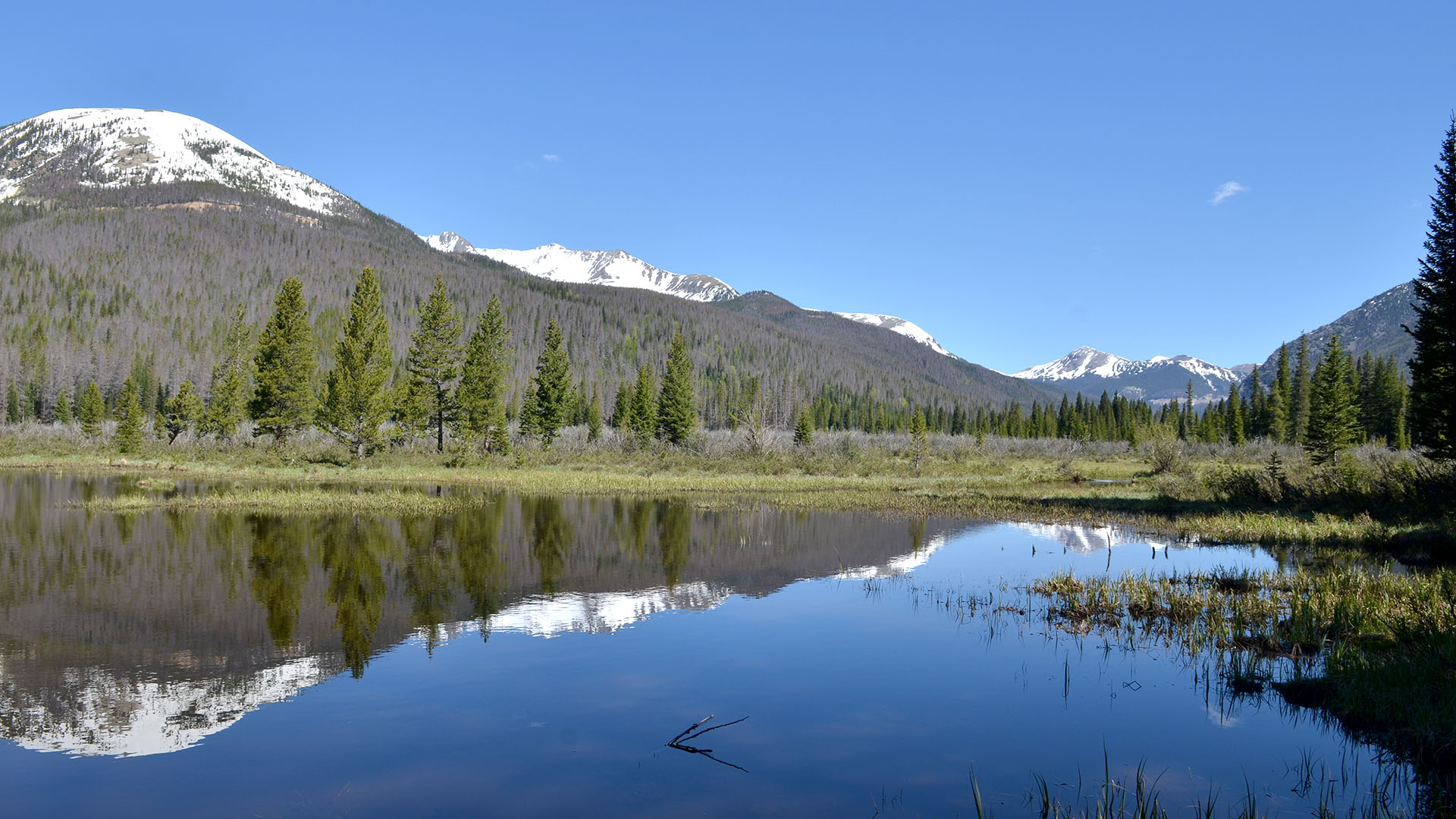
WAter with trees along edges and mountains in background.
Going Beyond Regulatory Requirements

At the end of 2012, Grand County issued a 1041 Permit for the Chimney Hollow Reservoir Project, marking a major milestone for the project’s development. Permit approval also cleared the way for several related agreements that were the result of nearly four years of collaboration, negotiation, formal review processes and public engagement involving the Municipal Subdistrict, Grand County, the Colorado River District, the Middle Park Water Conservancy District, the Northwest Colorado Council of Governments, Trout Unlimited and others. 

These agreements established a framework for environmental enhancements and other voluntary commitments that go beyond regulatory requirements. Through these measures, the Municipal Subdistrict committed to providing significant benefits to river health, wildlife habitat, recreation and local communities while helping meet the region's long-term water supply needs. 

The cooperative agreements include the following environmental enhancement measures: 

  • Stream habitat restoration
  • Investigation of a channel around or through Windy Gap Reservoir and contribution of $2 million toward its construction
  • Water quality studies on Grand Lake, Shadow Mountain Reservoir and Lake Granby
  • Additional water supplies to Grand County and Middle Park Water Conservancy District
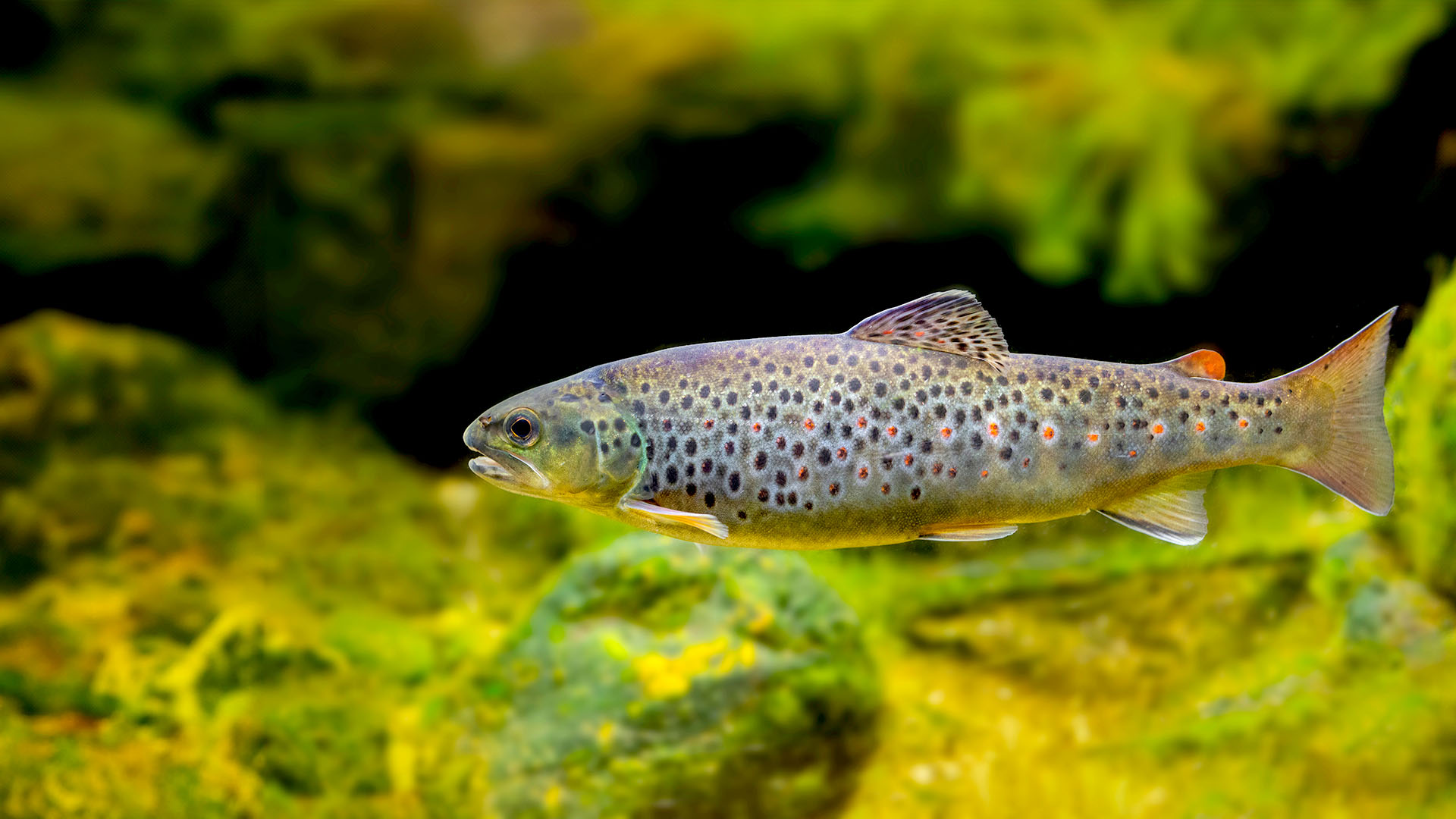
  • Efforts to protect the Colorado River and enhance its habitat, while supporting endangered species and recreation
  • Reduce nutrients in the Colorado River and Three Lakes
 
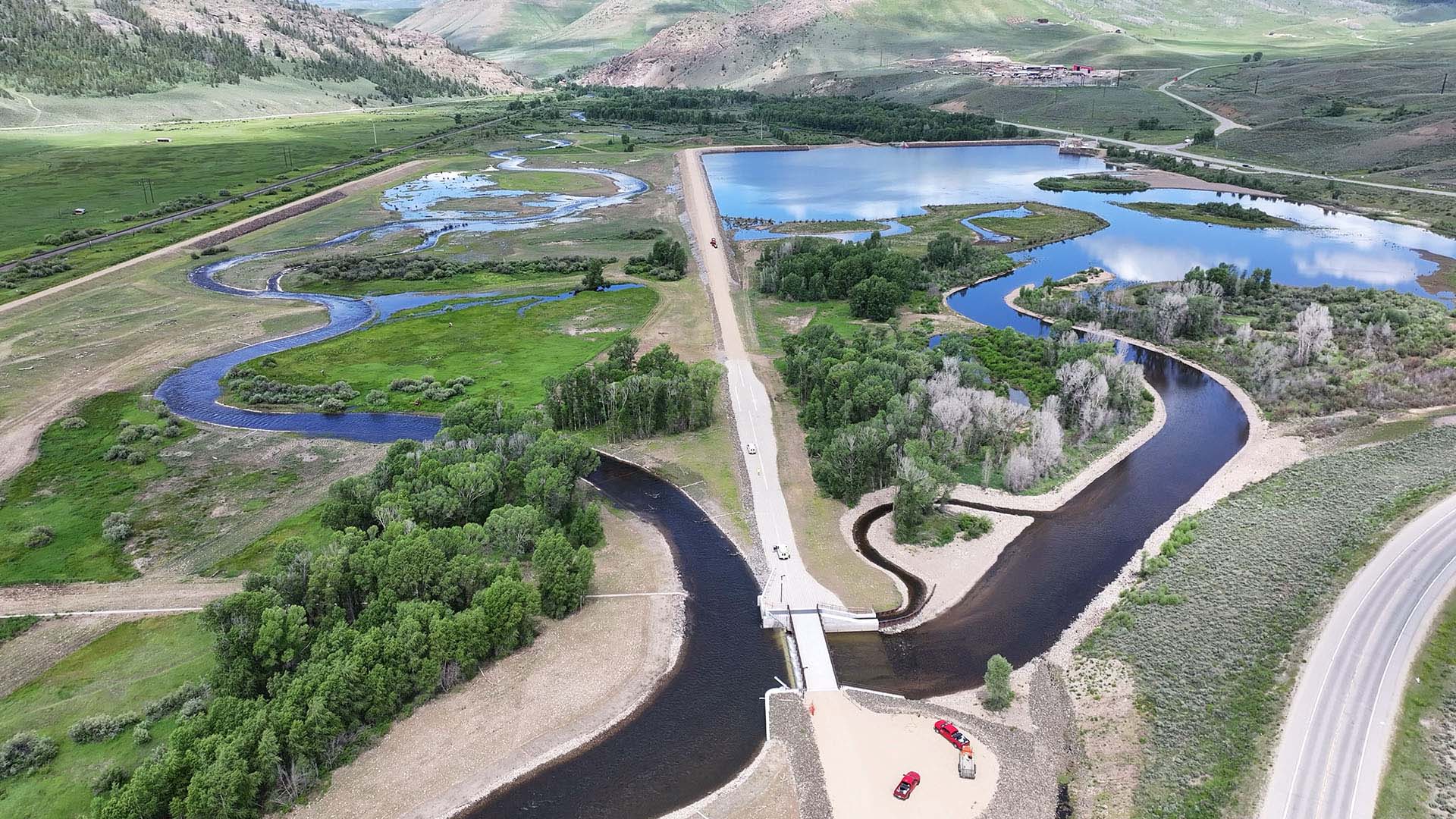
Aerial image of the Colorado River Connectivity Channel that divides the Windy Gap Reservoir on the right and reconnects the Colorado River.

Colorado River Connectivity Channel

As part of the Windy Gap Firming Project’s permitting phase to build Chimney Hollow Reservoir, the historical impacts of the original Windy Gap Project were also evaluated, including the loss of river connectivity following construction of the Windy Gap Reservoir dam on the Colorado River.  

To minimize the dam’s impact on aquatic habitat and species, the Municipal Subdistrict, which owns and operates the Windy Gap Project, agreed to decrease the reservoir’s footprint and construct a connecting channel around the reservoir capable of passing water, fish and sediment, thereby reconnecting two segments of the Colorado River. 

Reconnecting the River