Windy Gap Project

6 Miles

Pipeline from Windy Gap Reservoir to Lake Granby

255 Acre-Foot

Reservoir

600 CFS

Maximum Discharge from Four Windy Gap Pumps

4 Motors

12,000 Horsepower (48,000 Total Horsepower)

90 CFS

Per Second Required Streamflow Below Windy Gap

Water for Growth Through Windy Gap

Due to rapid population growth during the late 1960s, six Front Range communities formed the Northern Water Municipal Subdistrict in July 1970 to plan, finance, build and operate the Windy Gap Project. The six original Windy Gap participants included Boulder, Estes Park, Fort Collins, Greeley, Longmont and Loveland.   

Windy Gap Project construction began in July 1981, was completed in 1985 and began delivering water to Municipal Subdistrict participants that same year.   

Windy Gap Project Map
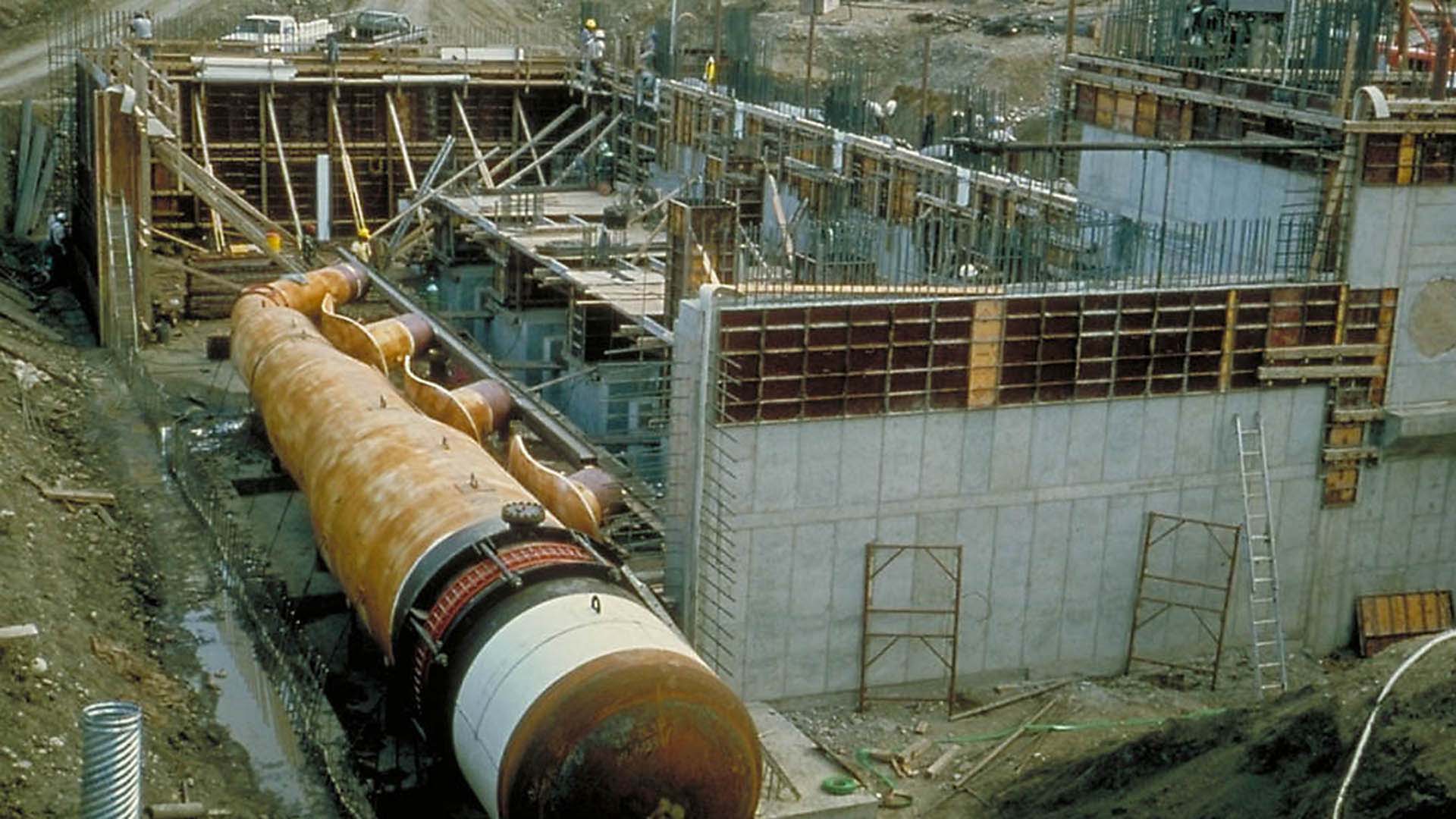
Construction of the Windy Gap Pump Plant with a pipe next to the building.

How the Project Works

  1. Collection

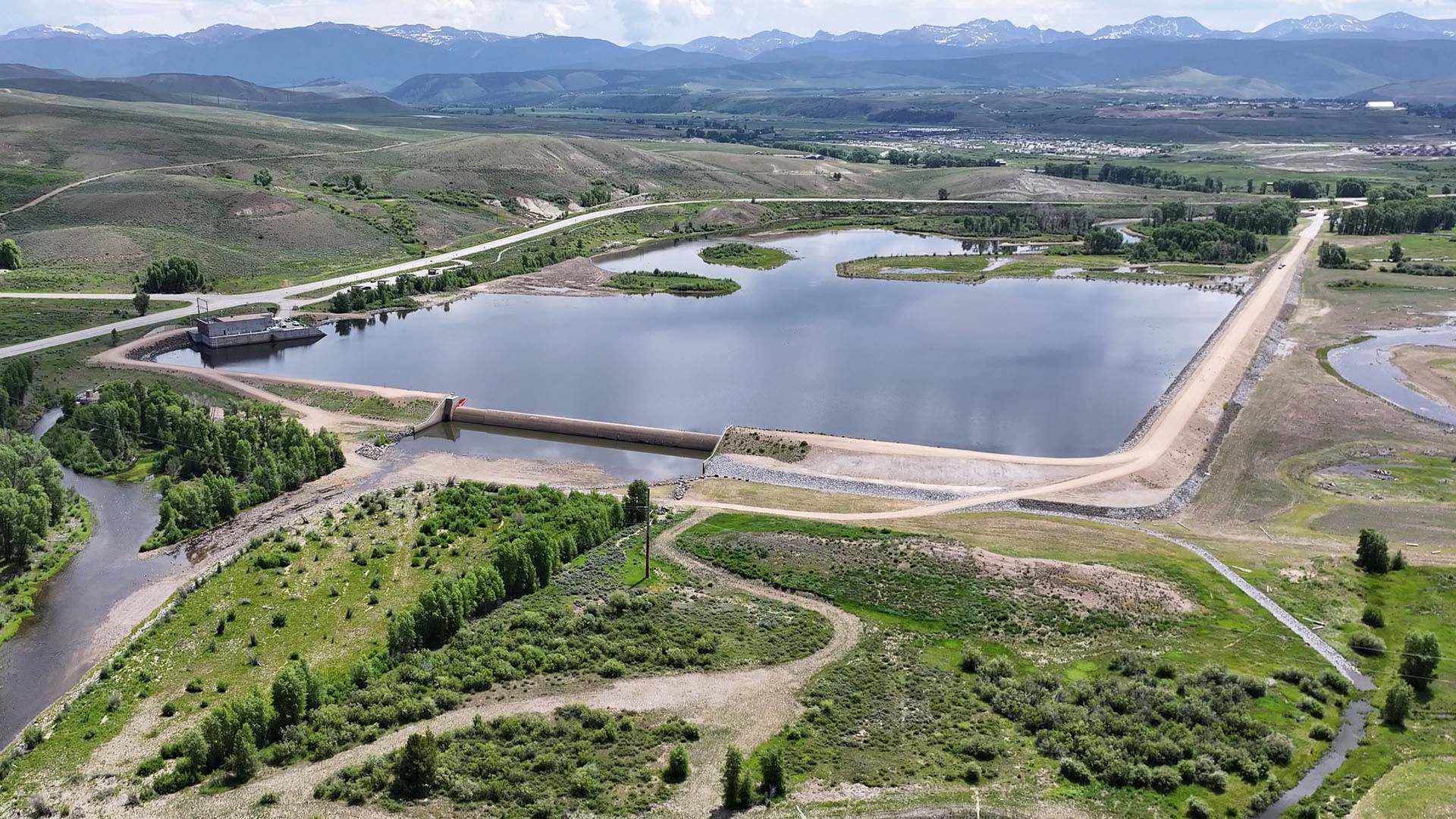
    The Windy Gap Project is located in Grand County on Colorado’s West Slope. The project consists of a 255-acre-foot reservoir which collects water from the Colorado River downstream of the confluence with the Fraser River. 

  2. Pumping into the C-BT Project

    From the reservoir, a pump plant pumps water through a six-mile pipeline to Lake Granby. Windy Gap water is pumped and stored in Lake Granby, part of the Colorado-Big Thompson (C-BT) Project.

  3. Three Lakes Conveyance

    Windy Gap Project water is pumped from Lake Granby via the Farr Pump Plant to the Granby Pump Canal, and then flows into Shadow Mountain Reservoir and through a connecting channel to Grand Lake. 

  4. Through the Tunnel

    At Grand Lake water enters the Alva B. Adams Tunnel and flows beneath Rocky Mountain National Park. The water is then distributed to Windy Gap Project participants via a series of C-BT Project reservoirs, canals and pipelines. 

  5. Storage

    Water will eventually be stored in Chimney Hollow Reservoir before it is delivered to East Slope users. 

Windy Gap Pump Plant
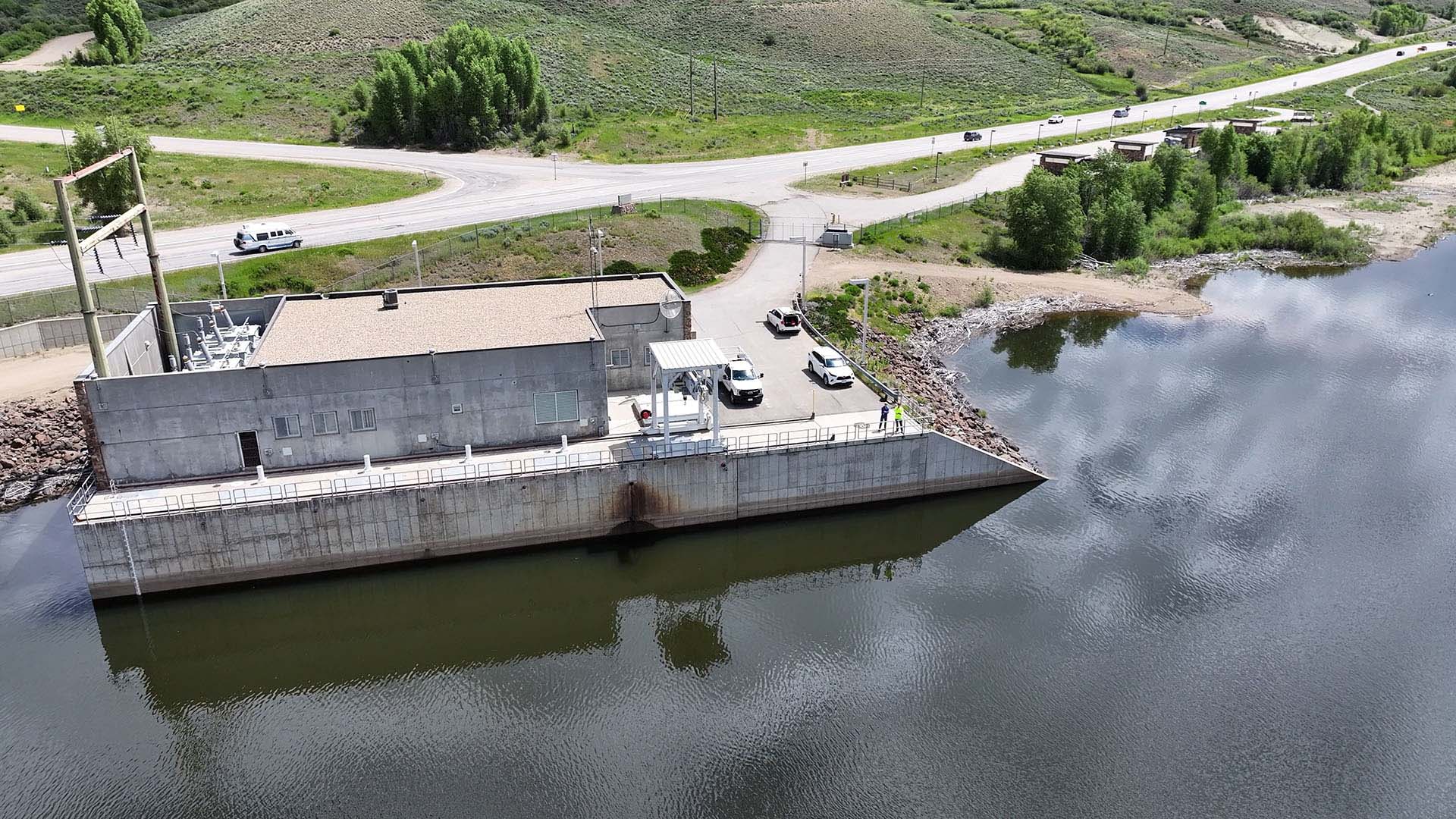
During periods of high flows in the Colorado and Fraser rivers, water is pumped from Windy Gap Reservoir via the Windy Gap Pump Plant into Lake Granby, where it is stored for delivery through the C-BT Project facilities to water users on the Front Range. The Windy Gap Pump Plant and reservoir are located just west of the Town of Granby on the West Slope. Operated from a control center at the Farr Pump Plant, the Windy Gap Pump Plant pumps water through a 6-mile pipeline to Lake Granby.  

Windy Gap Project construction began in July 1981. Completed in 1985, the project began delivering water to Municipal Subdistrict participants in July.

Aerial image of Windy Gap Pump Plant with water surrounding it.

Chimney Hollow Reservoir

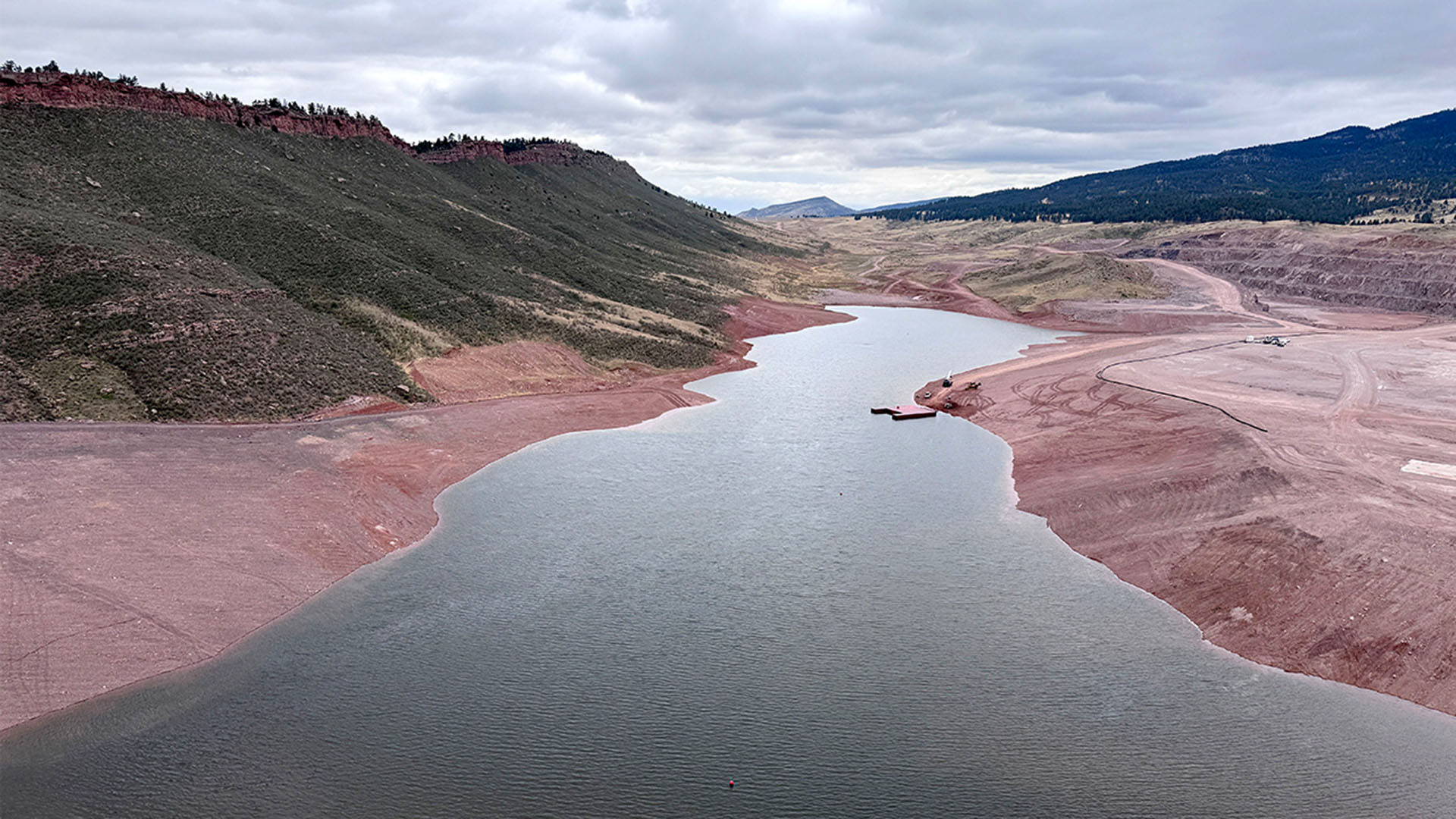
A small amount of water in Chimney Hollow Reservoir behind the dam.

The Need for Storage

The Windy Gap Project was designed to deliver an average of 48,000 acre-feet of water per year to its participants. However, during wet cycles Lake Granby is often full, leaving little or no space for Windy Gap water, since the Colorado-Big Thompson has more senior water rights. Additional storage has been contemplated since the Windy Gap Project’s inception and in 2025 construction was completed on Chimney Hollow Reservoir to store this water. 

Northern Water and Chimney Hollow participants are committed to keeping its customers, stakeholders and end users, as well as the general public informed as we gather additional information on the discovery of uranium at the Chimney Hollow Reservoir construction site. 

Meeting Future Water Demands

As population in Northern Colorado continues to grow, the region needs collaborative projects to help meet its future water demands while also protecting the environment and wildlife, maintaining local food production, and preserving the region’s quality of life. Those are precisely the objectives of the Chimney Hollow Reservoir Project.

Learn More About Chimney Hollow Reservoir