Colorado River Connectivity Channel

Reconnecting the Colorado River

As part of the Windy Gap Firming Project’s permitting phase for the construction of Chimney Hollow Reservoir, the historical impacts of the original Windy Gap Project were evaluated, including the loss of river connectivity following construction of the Windy Gap Reservoir dam on the Colorado River. To minimize the dam’s impact on aquatic habitat and species, the Municipal Subdistrict, which owns and operates the Windy Gap Project, decreased the reservoir’s footprint and constructed a connecting channel around the reservoir capable of passing water, fish and sediment, thereby reconnecting two segments of the Colorado River. Construction activities began in the summer of 2022 and were completed in the fall of 2024.

Connectivity Channel Features

The Colorado River Connectivity Channel project has provided public access for fishing along most of the new channel and included:

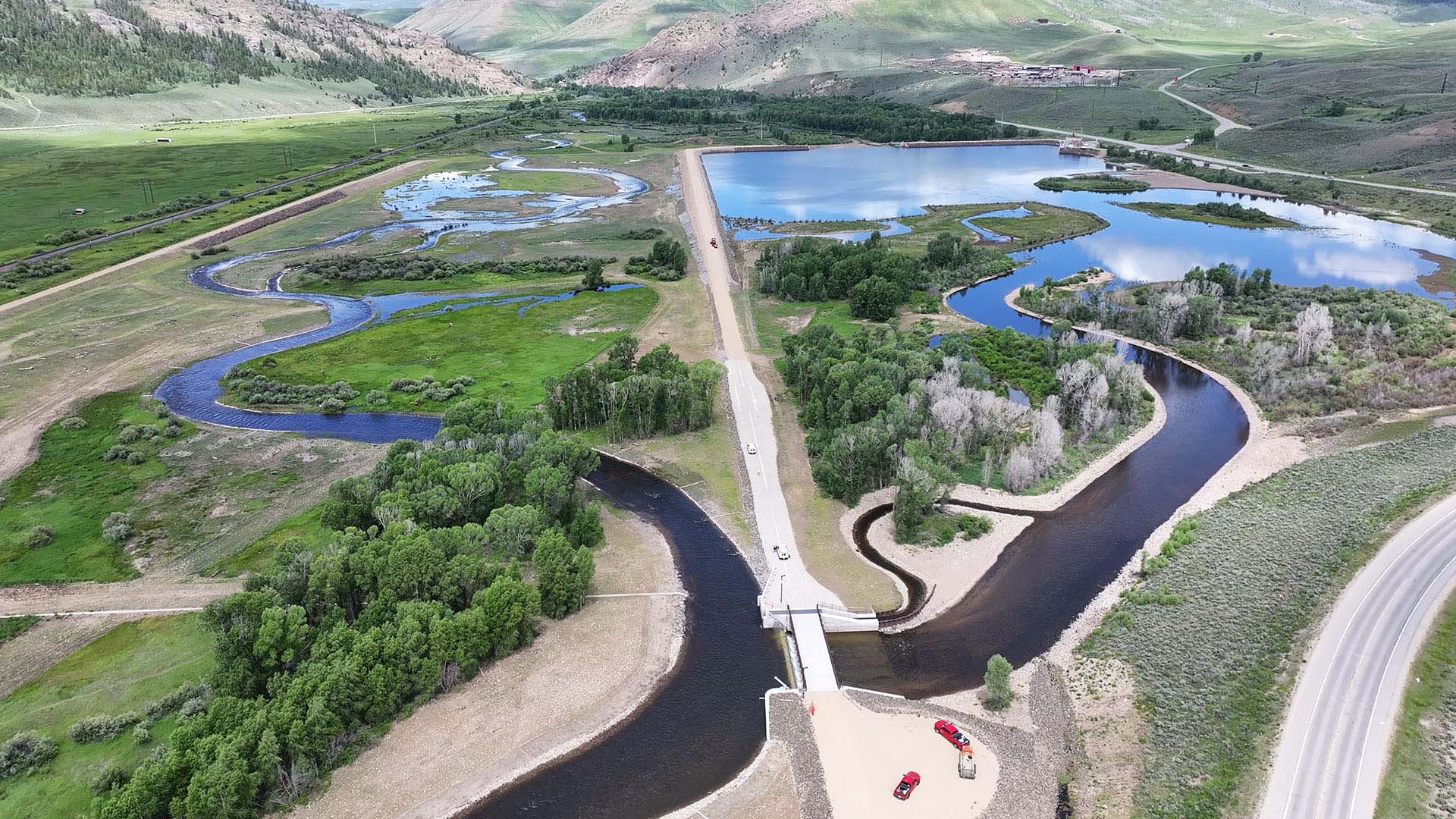
  • Windy Gap Dam Embankment Modification – A new southern embankment created a smaller reservoir and provided space for construction of the new channel and floodplain.

  • Diversion Structure – A new diversion structure was constructed to direct and allocate river flows between the reservoir and the connectivity channel. The structure was designed to provide sufficient flow into the reconfigured reservoir to meet pumping requirements when the Windy Gap Project’s water rights were in priority, while also maintaining flow in the connectivity channel for sediment transport and fish passage.

  • Connectivity Channel – A new channel and floodplain were constructed to reconnect the Colorado River above and below the reconfigured reservoir. The channel and floodplain were designed to support natural geomorphic and ecological river processes while maintaining dam safety.

  • Fraser Stream Gauge Retrofit – Improvements were made to the Fraser River stream gauge immediately upstream of Windy Gap Reservoir to facilitate fish passage.

Project Partnerships

Multiple invested stakeholders assisted in ensuring the success of the Colorado River Connectivity Channel project. Stakeholder contributions included design, project management, fundraising and time. 

The Municipal Subdistrict and Trout Unlimited contracted with AECOM to complete the final design. Other project partners included Colorado Parks and Wildlife, the Colorado Water Conservation Board, Grand County, the Colorado River District and the Upper Colorado River Alliance.

A Channel for Fish and Sediment Passage
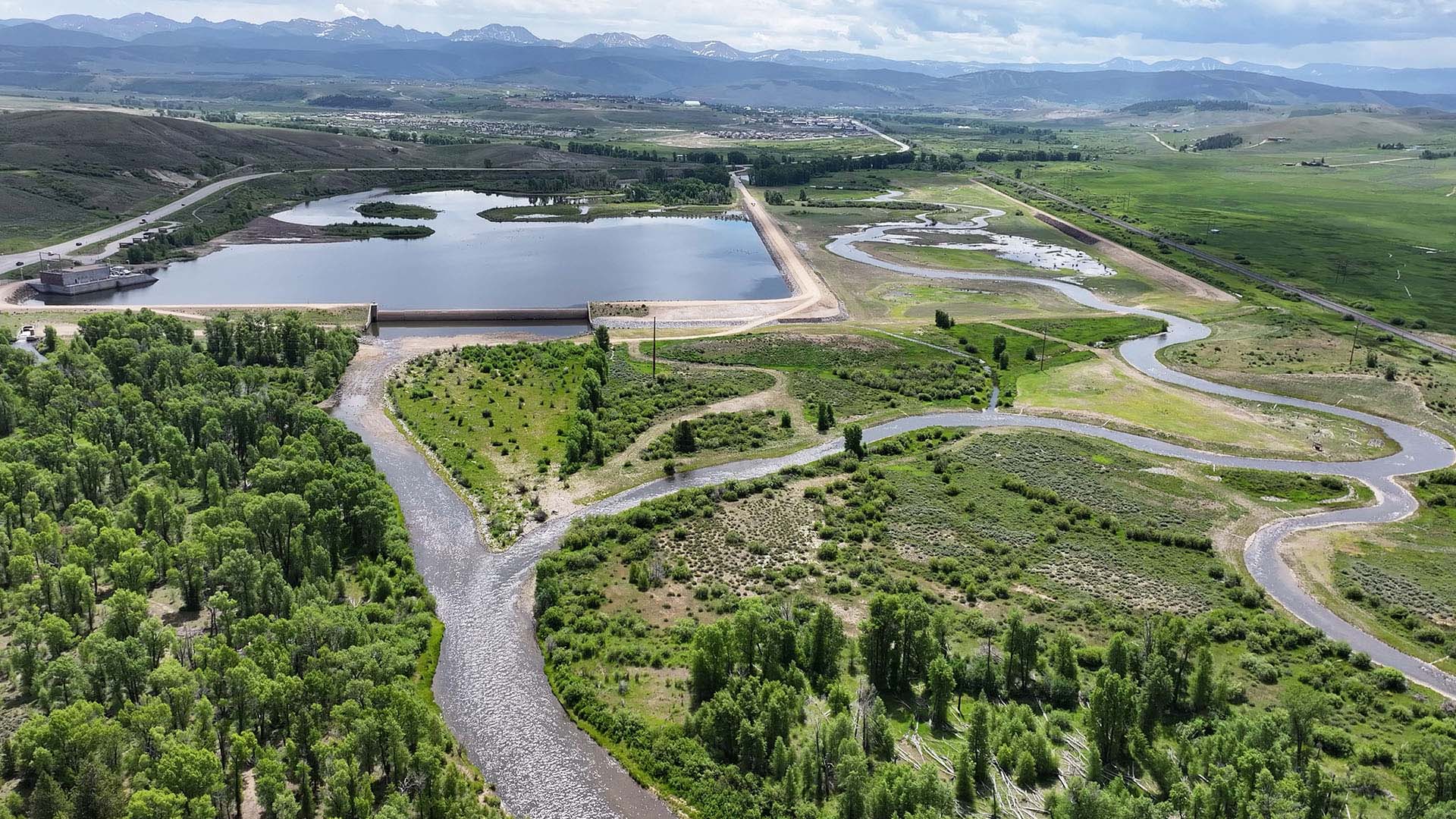
Aerial image showing the Colorado River Connectivity Channel and Windy Gap Reservoir.

Through a collaborative effort, the Colorado River was successfully reconnected, restoring a vital habitat link between river segments upstream and downstream of Windy Gap Reservoir and enhancing stream health, fish passage and overall ecosystem function.

 
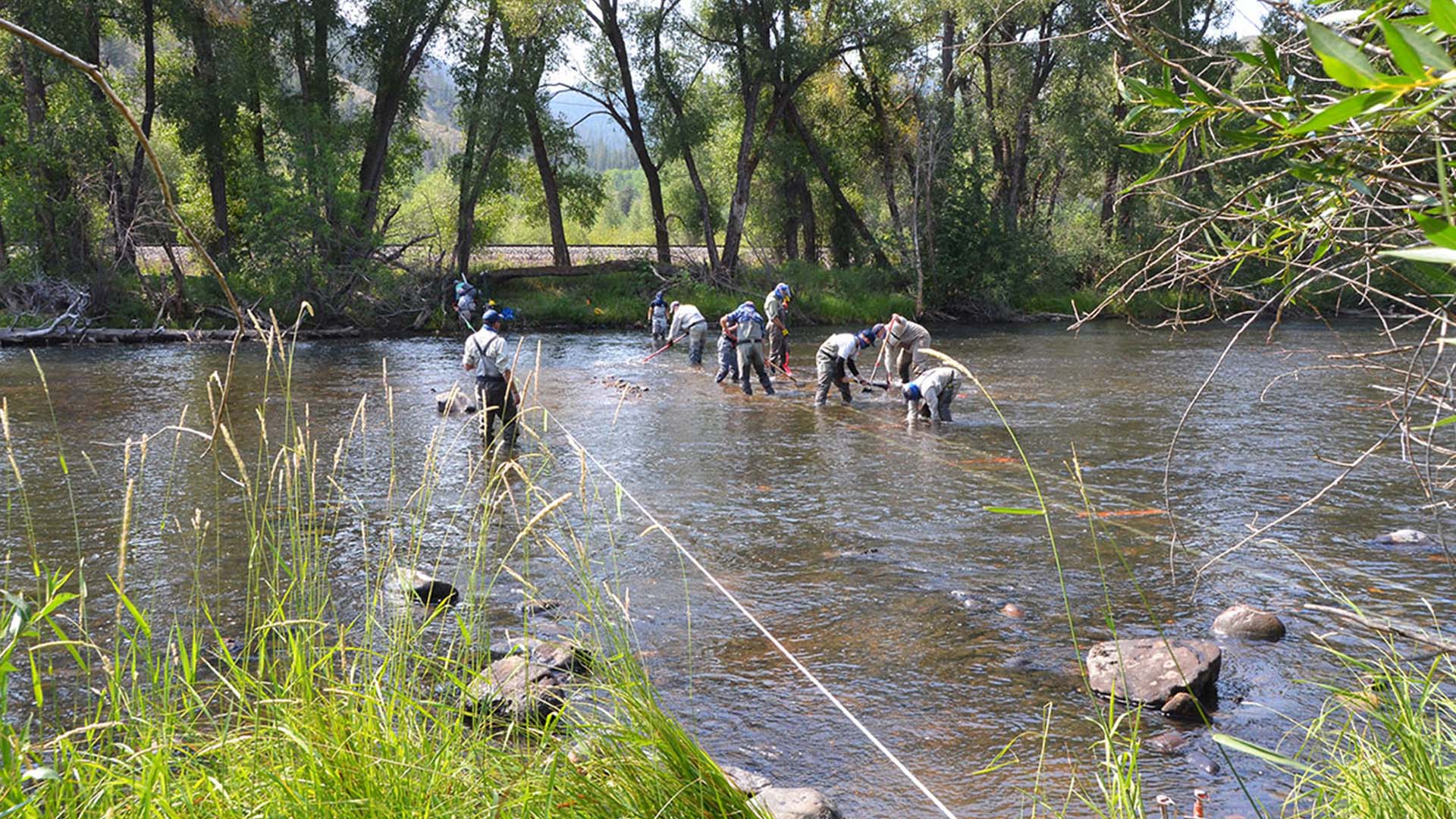
People in a river installing fish monitoring equipment.

Prior to construction, Colorado Parks and Wildlife (CPW) installed fish-monitoring equipment above and below Windy Gap Reservoir to document the effectiveness of the Connectivity Channel. CPW also installed additional antennas within the channel during construction and continues to conduct on-channel surveys by boat. Project partners continue to monitor water quality, macroinvertebrates, riparian conditions and geomorphic processes, using the data collected to inform an adaptive management plan and support the project’s long-term success.

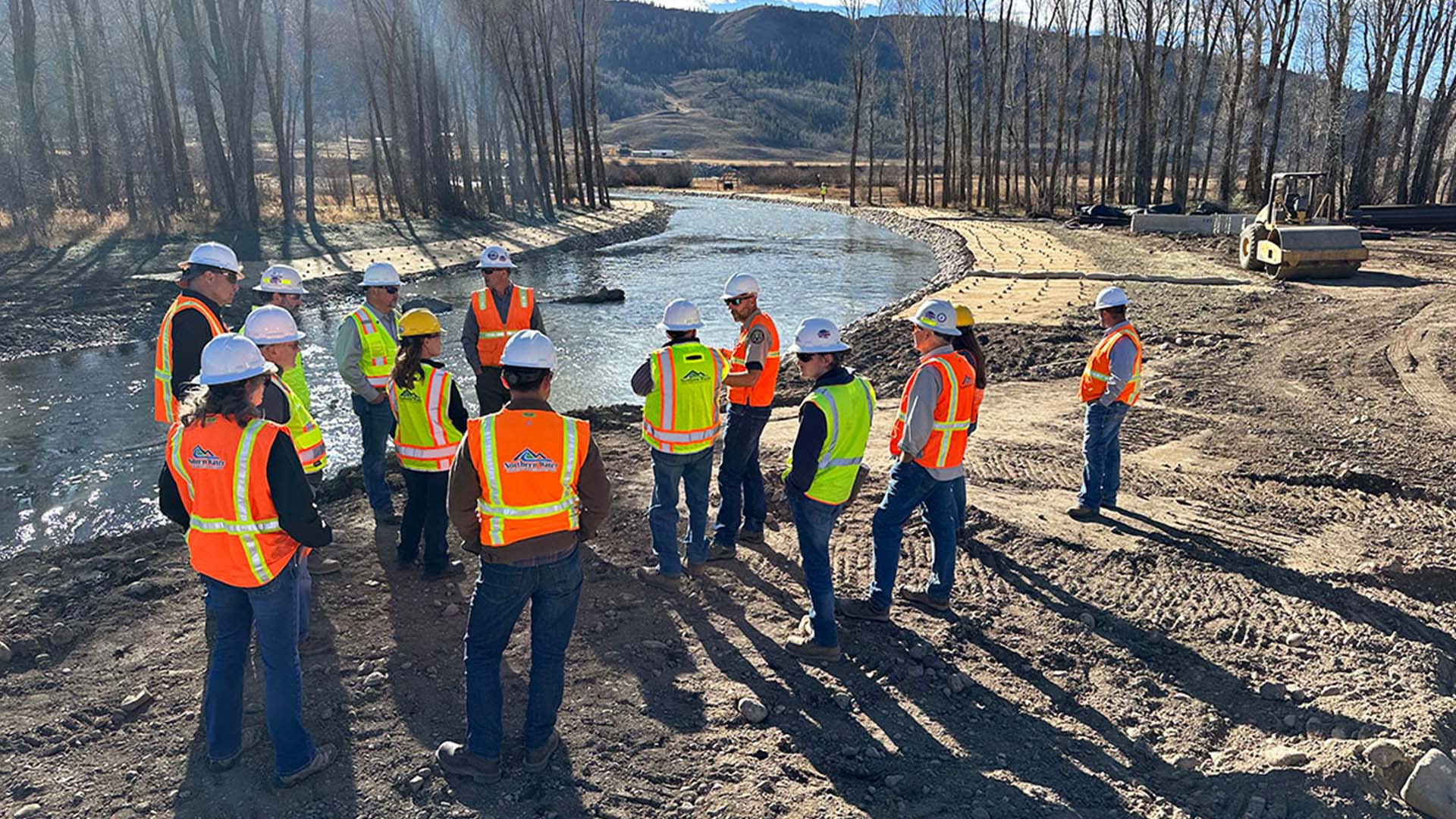
People in high visible vests monitoring the first flows through the Colorado River Connectivity Channel.

Connectivity Channel construction began in the summer of 2022, and by Oct. 25, 2023, the project had advanced enough to send the first flows through the new channel. Colorado Parks and Wildlife fish-monitoring equipment confirmed the project’s immediate success that same day, detecting fish already moving through and utilizing the channel.

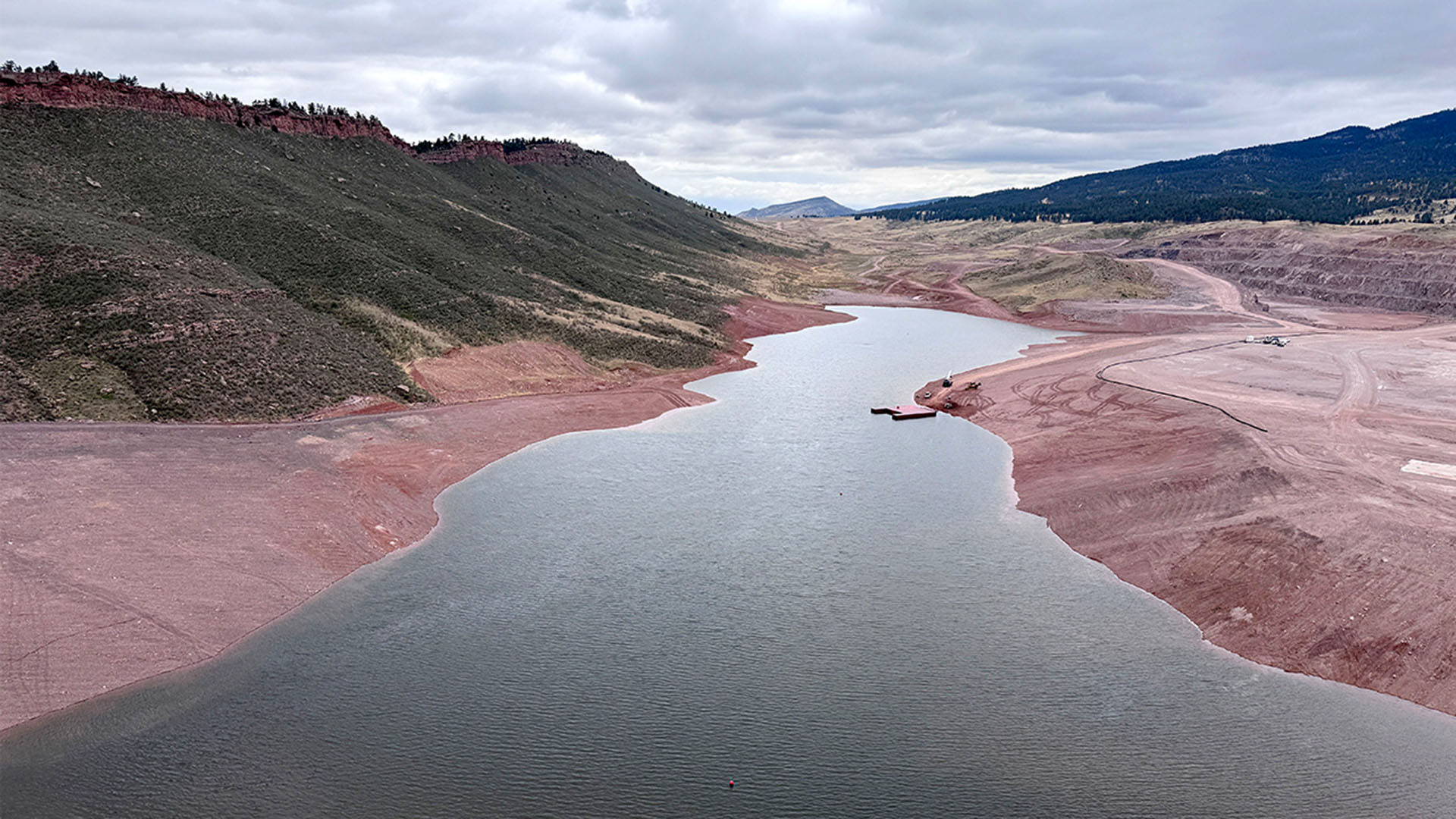
A small amount of water in Chimney Hollow Reservoir behind the dam.

The Colorado River Connectivity Channel was part of a $90 million package of environmental measures associated with Chimney Hollow Reservoir near Loveland, which is where Windy Gap water will be stored.