Grand Lake Clarity

Improving Colorado's Largest Natural Alpine Lake

Grand Lake, Shadow Mountain Reservoir and Lake Granby are vital components of the Three Lakes system within the Colorado-Big Thompson (C-BT) Project.

Why Clarity Matters

Bordering Rocky Mountain National Park, Grand Lake is a central part of both Grand County’s and the Town of Grand Lake’s identity, fostering a thriving community and economy. Together with Shadow Mountain Reservoir and Lake Granby, it forms a vital component of the Three Lakes system within the C-BT Project. The quality and clarity of the water are important attributes of this system.

Together with its many partners and stakeholders, Northern Water is contributing to improvements in water clarity and water quality through science-based monitoring and management activities, operational coordination and collaboration across the Three Lakes system—all while honoring water delivery obligations vital to Colorado. 


A System in Motion

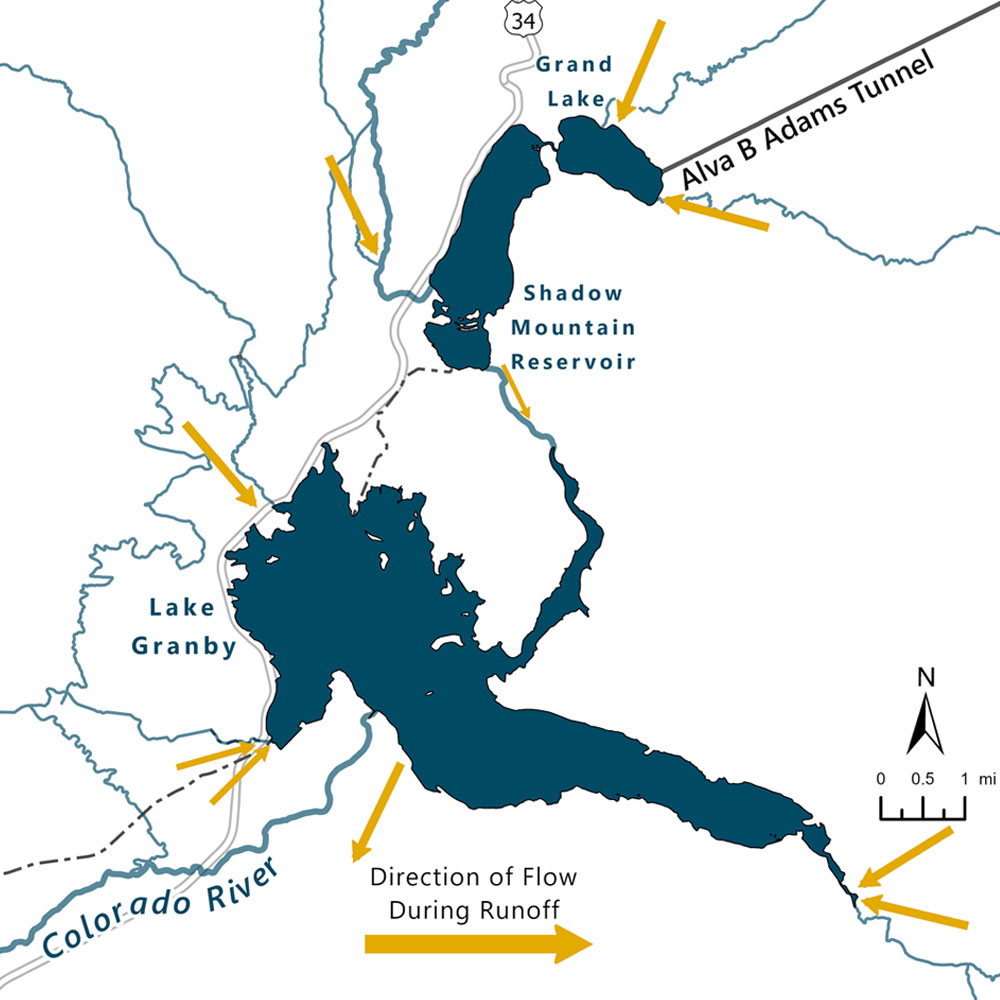
A map of the Three Lakes with yellow arrows indicating the direction of natural water flow during runoff
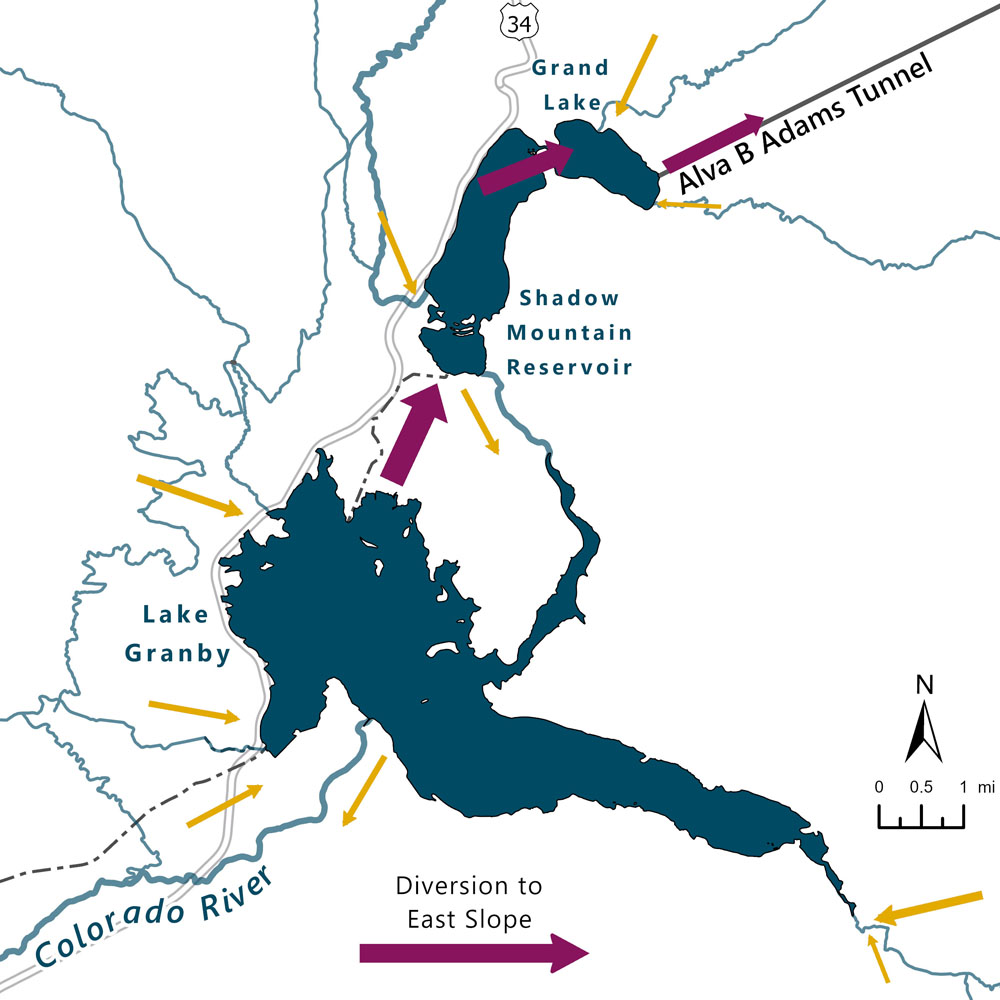
A map of the Three Lakes with yellow arrows indicating the direction of natural water flow during runoff, and purple arrows showing the direction of flow when pumping

During spring runoff, natural inflows to Grand Lake and Shadow Mountain Reservoir (yellow arrows) meet East Slope needs through the Adams Tunnel. Additional inflow continues downstream to Lake Granby via the Colorado River. When runoff tapers off and inflows into Grand Lake and Shadow Mountain Reservoir fall below East Slope needs, water is pumped from Lake Granby into Shadow Mountain Reservoir (red arrows) via the Farr Pump Plant and Granby Pump Canal. From Shadow Mountain Reservoir water flows to Grand Lake via the connecting channel and eventually the Adams Tunnel. 

How Clarity is Measured

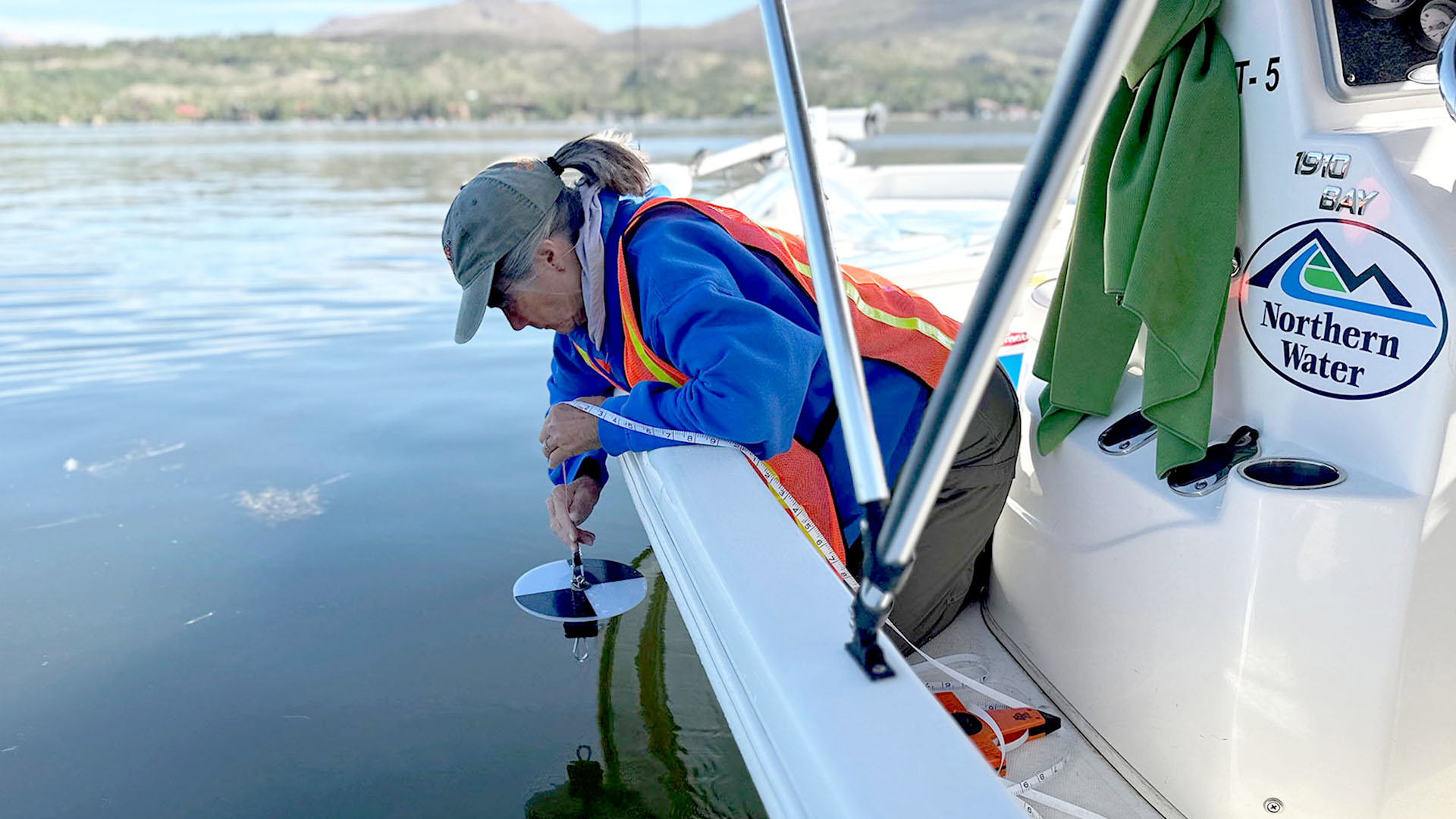
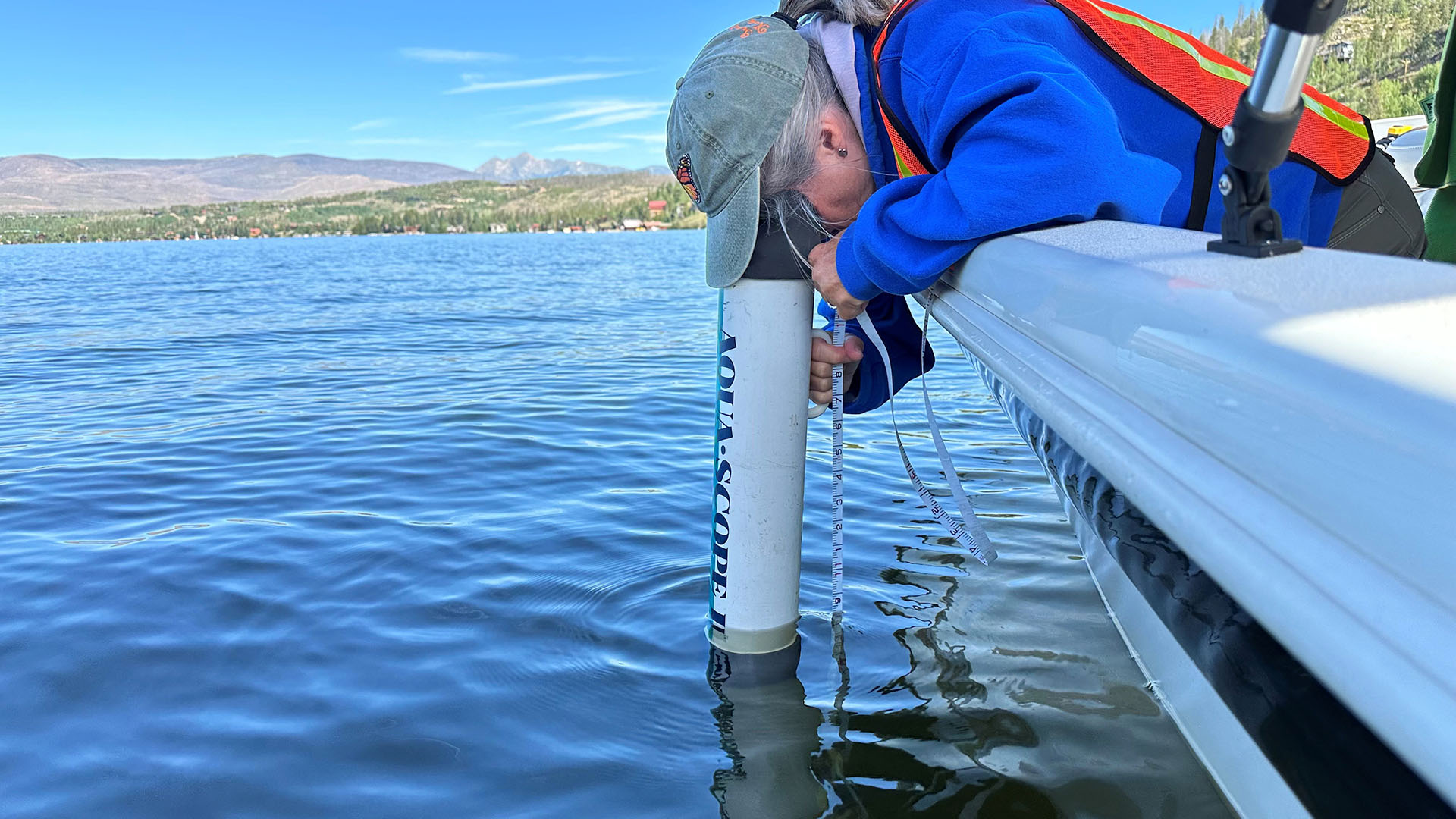
Clarity is measured using a Secchi disk—a black-and-white disk lowered into the water until it disappears from view. The depth at which it vanishes is recorded as the Secchi depth, a reliable indicator of visual clarity. 

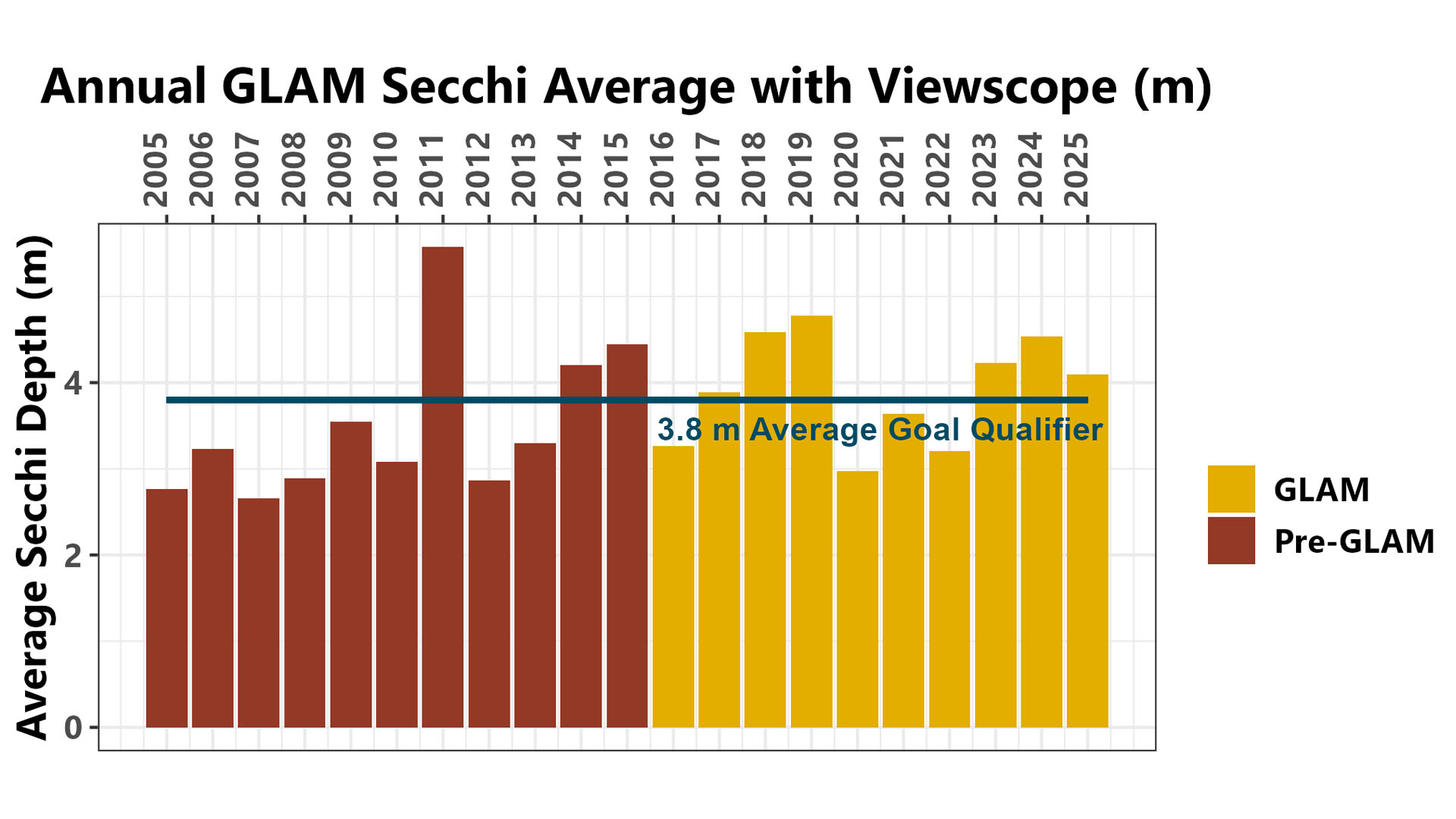
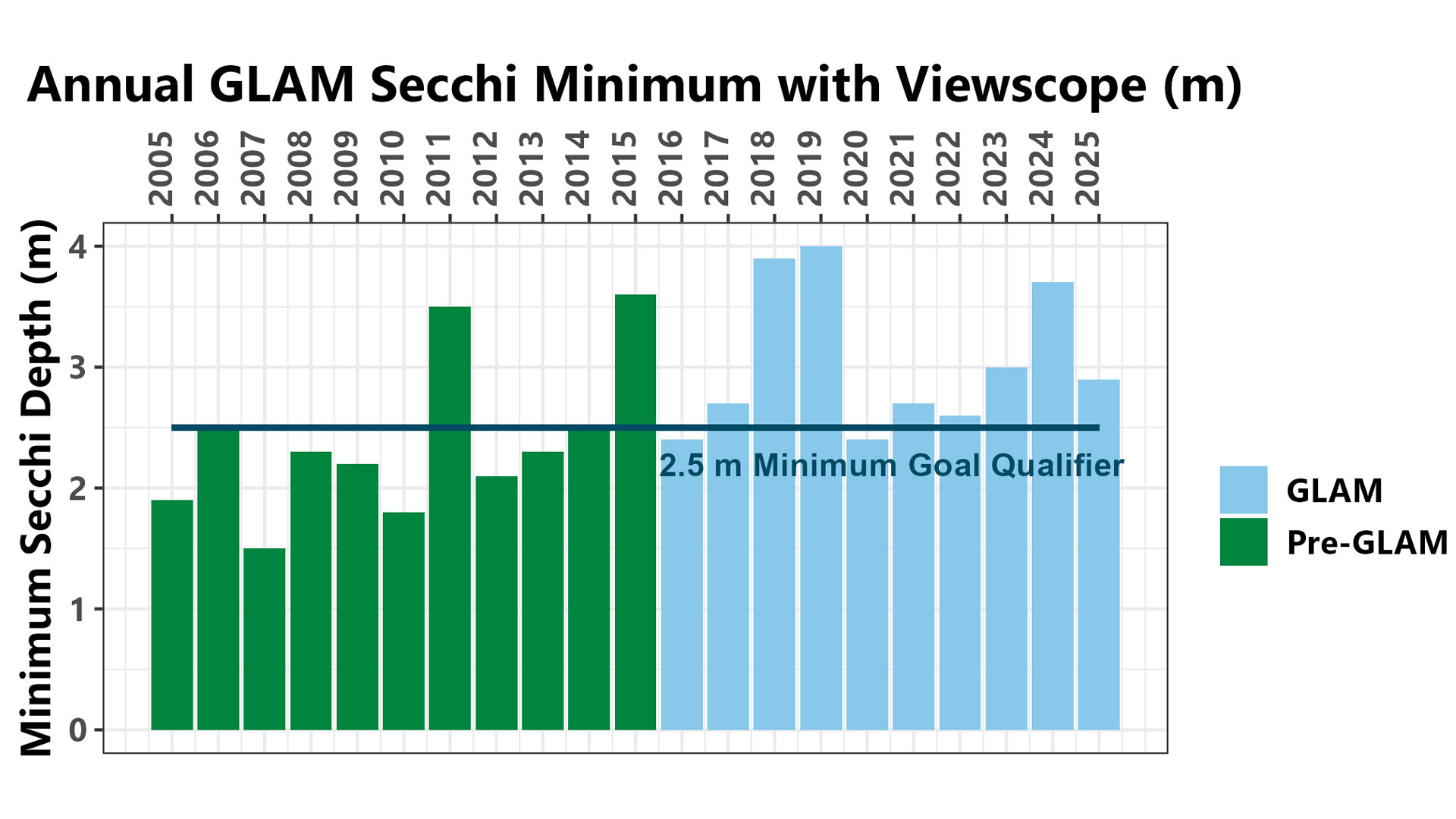
In 2008, the Colorado Water Quality Control Commission adopted a narrative clarity standard stating that water quality in Grand Lake should achieve “the highest level of clarity attainable, consistent with the exercise of established water rights and the protection of aquatic life, and protection of water quality throughout the Three Lakes system.” To support the implementation of this narrative standard, numeric goal qualifiers were adopted in 2016 as practical benchmarks to guide management actions, applicable July 1 through September 11 each year. 

  • 3.8 meters average Secchi depth 
  • 2.5 meters minimum Secchi depth 

These goals guide adaptive management efforts while balancing water delivery, power generation, water quality throughout the Three Lakes, aquatic life protection and other system needs. 

Managing Water Quality 
Through Operations


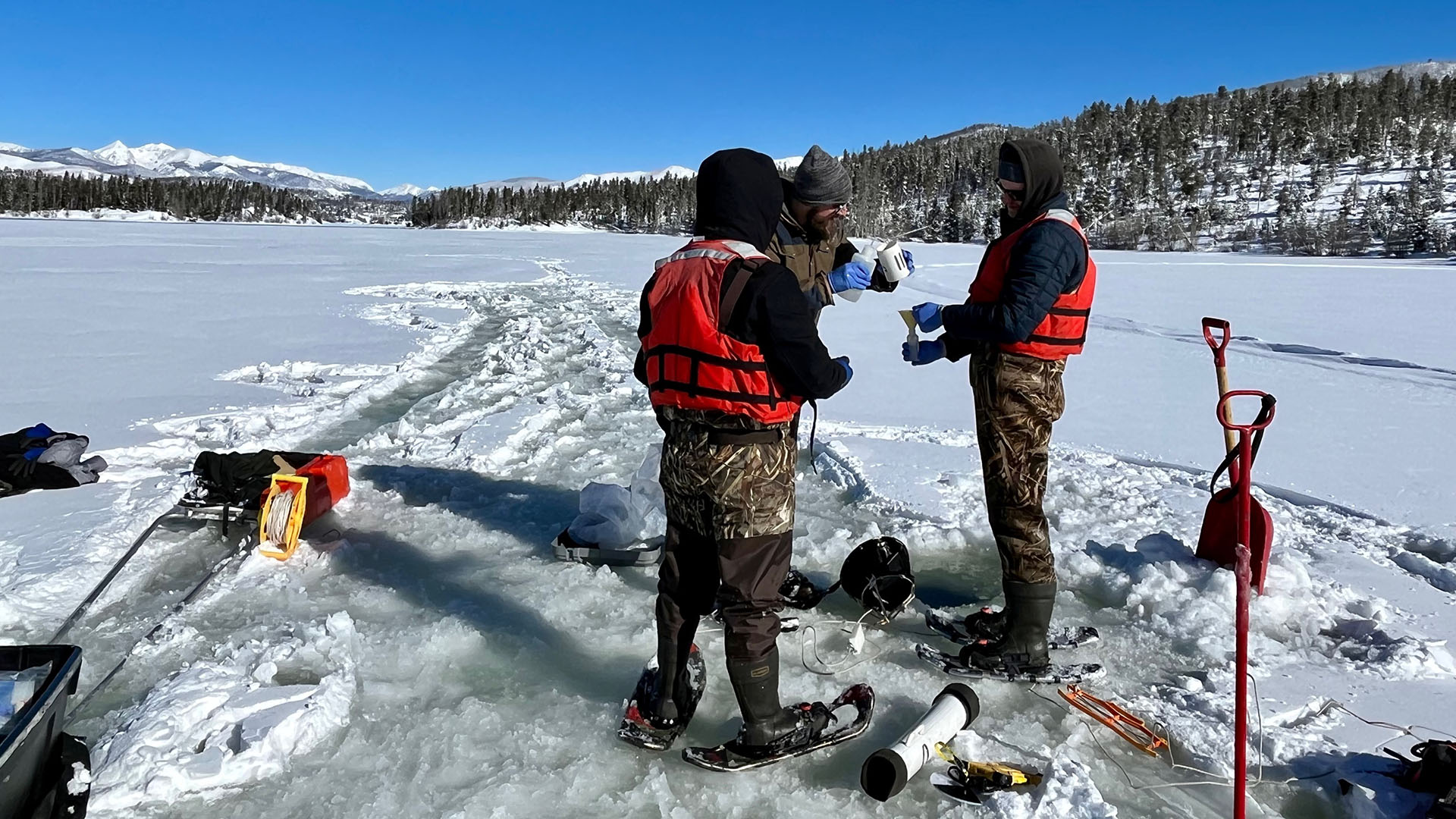
Northern Water maintains one of Colorado’s most extensive water quality monitoring programs. These data collection efforts are the foundation of all clarity-related work, supporting operational decisions, annual and long-term assessments, modeling and evaluation of system health including: 

  • 3x per week Secchi depth measurements from June to October.
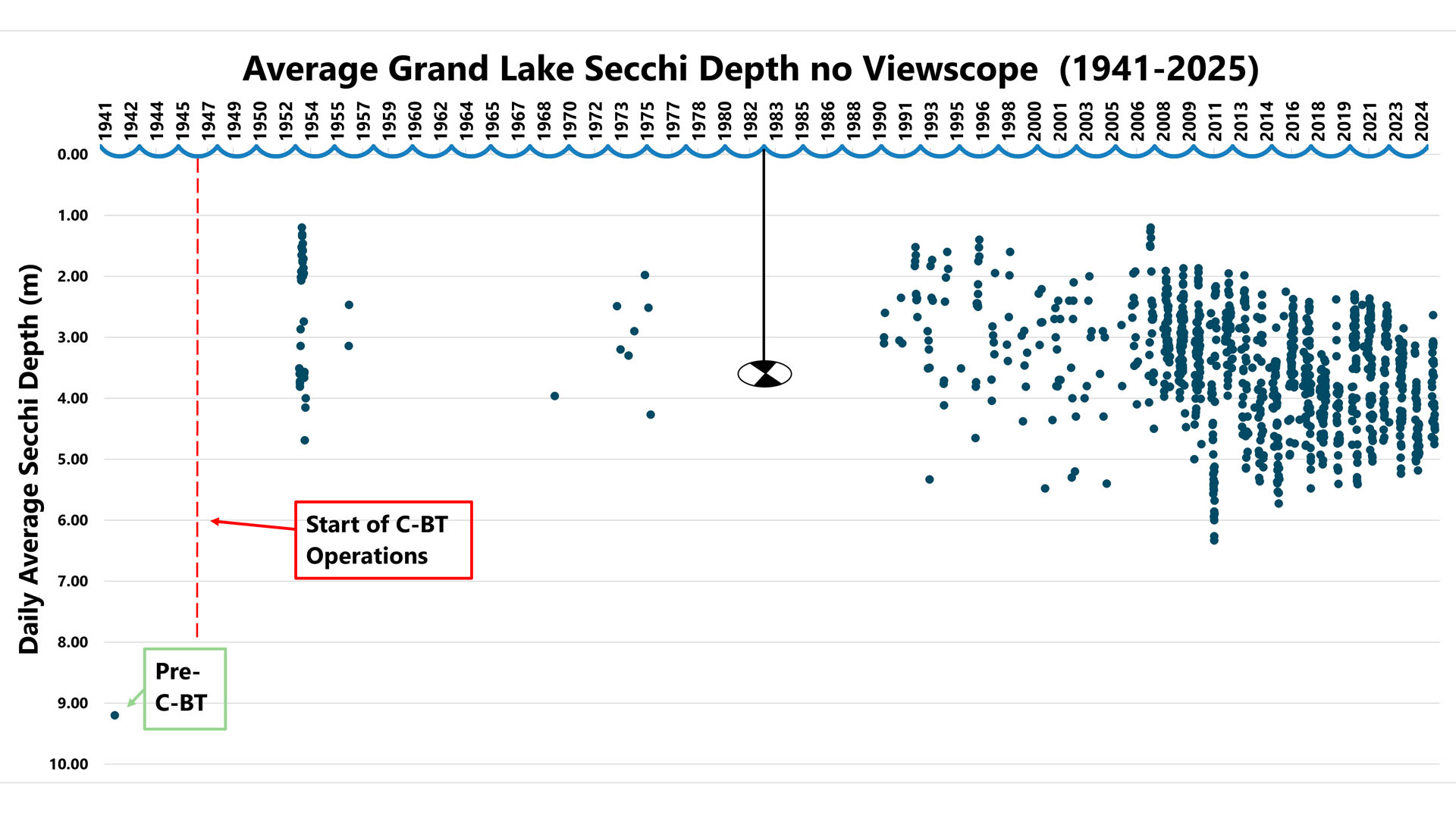
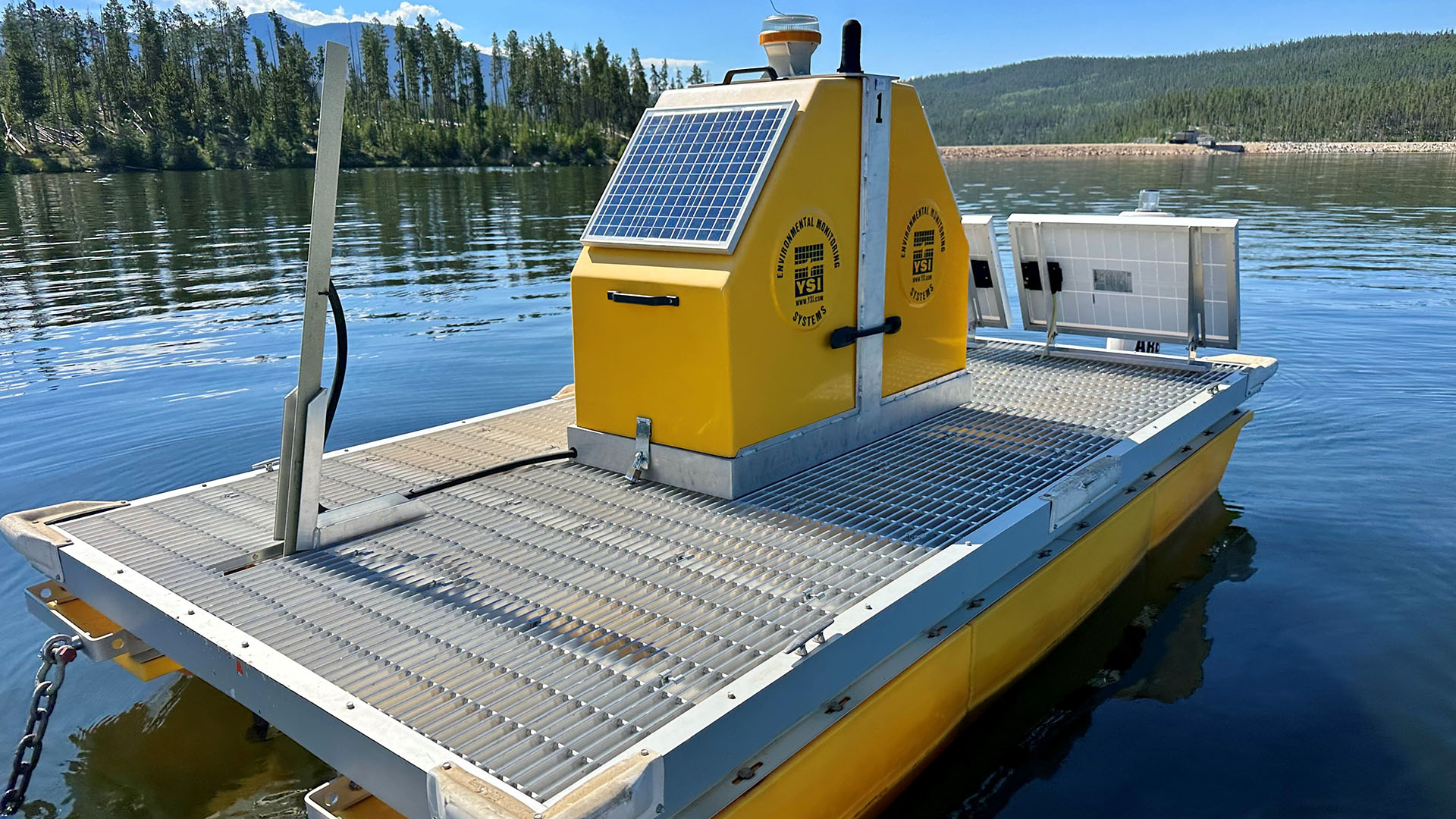
  • Real-time continuous monitoring and discrete sampling of water quality including temperature, turbidity, pH, chlorophyll a, flow, nutrients, phytoplankton, Secchi depth and meteorological data. Extensive historical water quality data dating back to 1941 provide essential context for understanding long-term trends. 
  • Since the early 2000s, year-round monitoring throughout the Three Lakes system that includes in-reservoir, inflows and outflows has supplemented the long-term Secchi record.
 
West Slope Water Quality

Improved Clarity Outcomes

In 2016, the Grand Lake Adaptive Management (GLAM) framework was formalized through a Memorandum of Understanding (MOU) signed by five partner agencies (Northern Water, Bureau of Reclamation, Grand County, Northwest Colorado Council of Government and the Colorado River District), creating a coordinated framework for managing Grand Lake clarity through operations (i.e. adjusting the timing and pattern of pumping and water movement through the Three Lakes System while meeting water delivery needs, power generation obligations and other system constraints). Since GLAM’s implementation, clarity outcomes have shown a notable improvement as shown in Figure 6 (Green & Navy Bar Chart): 

  • Before GLAM (2005–2015): average goal met in 3 of 11 years, minimum goal met in 3 of 11 years.
  • Since GLAM began (2016–2025): average goal met in 6 of 10 years, minimum goal met in 8 of 10 years.

These results suggest that real-time operational coordination, guided by monitoring data, can support improved clarity outcomes even within existing system constraints. 

Ongoing Efforts and New Directions
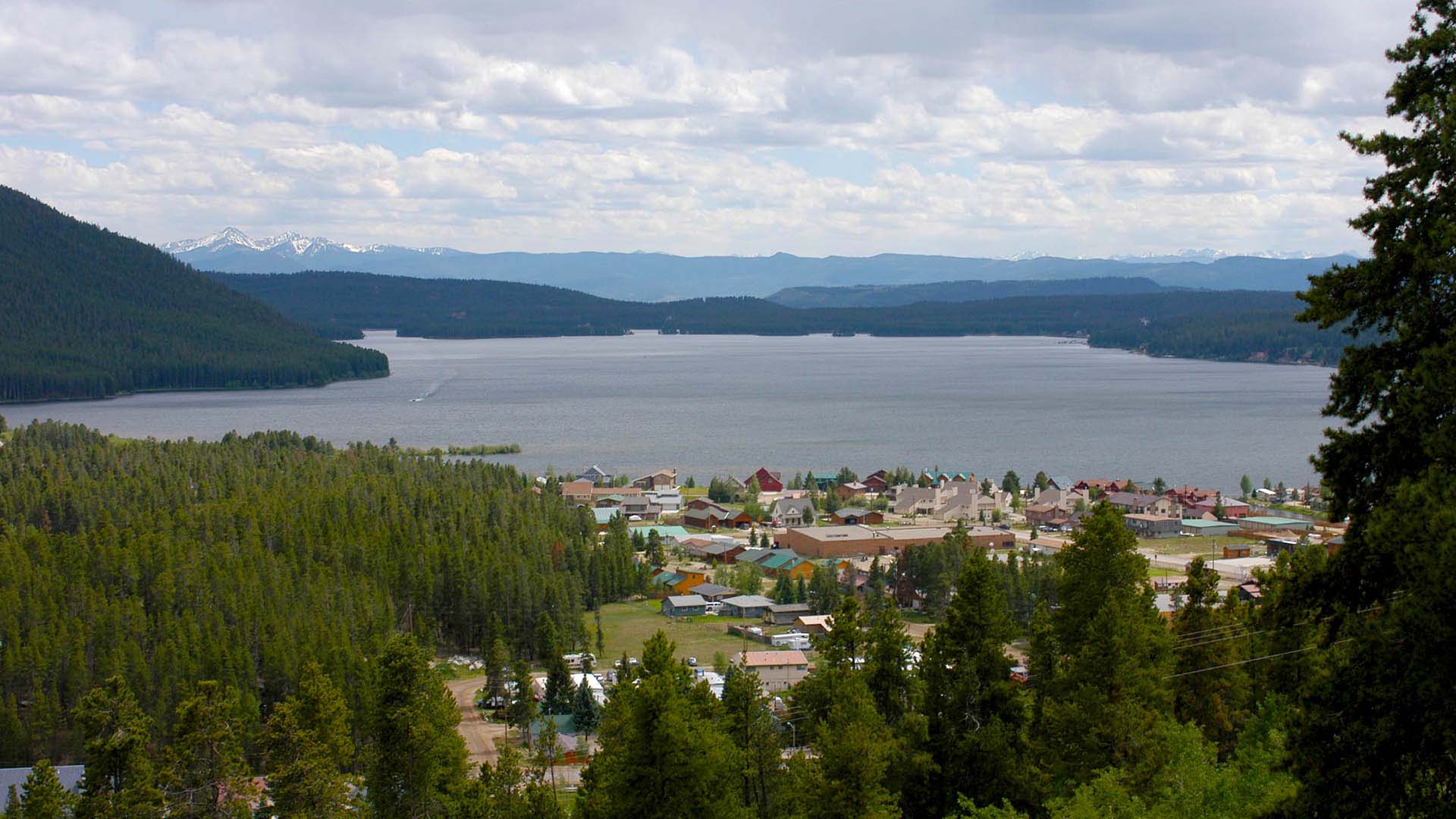
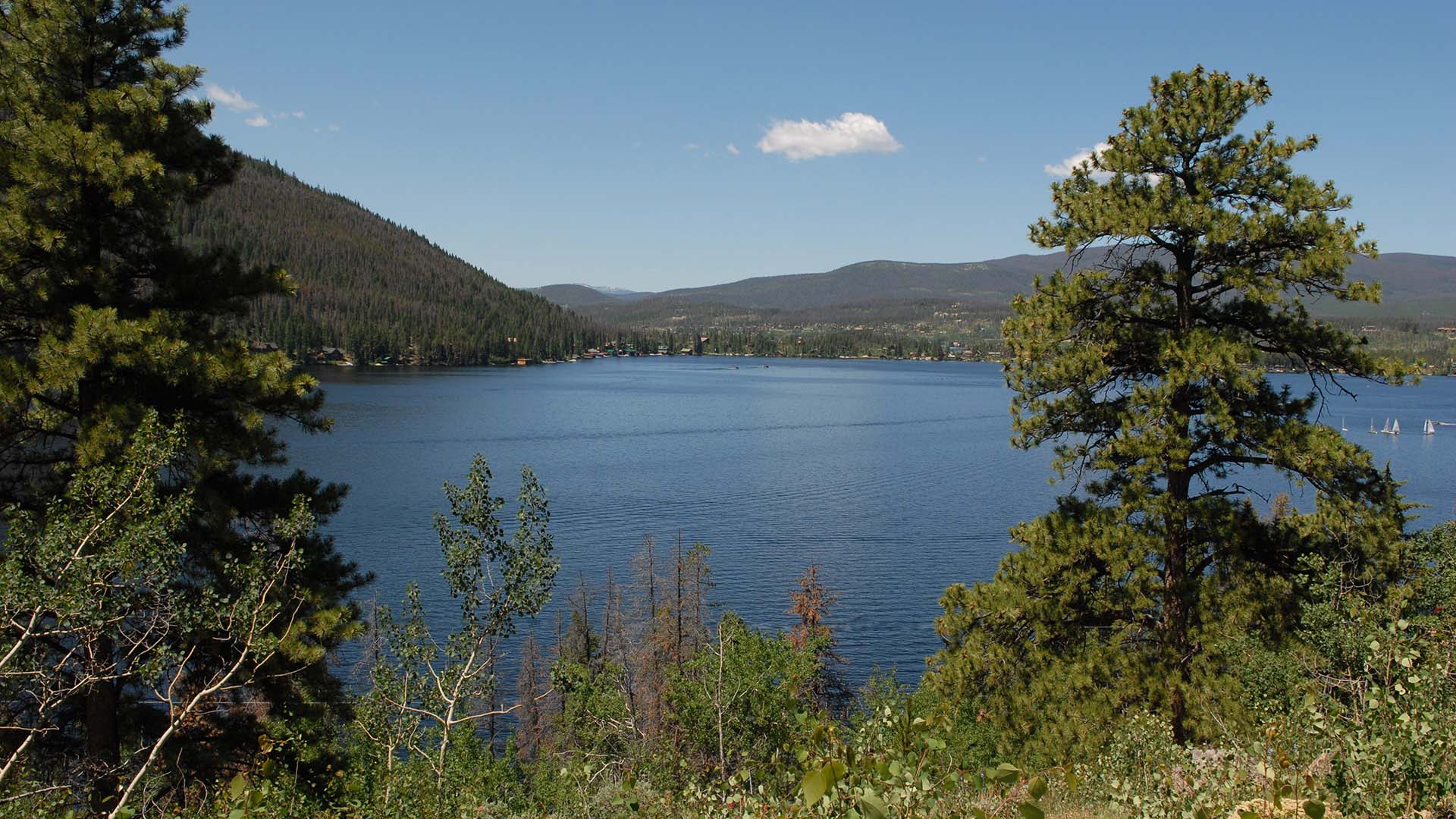
Grand Lake with the town in the foreground.

Expanded Collaboration


The Three Lakes Technical Committee brings together federal, local and nonprofit partners to address water quality and related resource concerns in the Three Lakes. Meeting multiple times each year, the committee serves as an open forum for sharing information and data, coordinating technical studies, and planning practical actions and management strategies that support clearer water in Grand Lake, healthy fisheries and overall system health.


Innovative Investigations


Among several efforts aimed at improving clarity in Grand Lake and water quality in the Three Lakes system, partners are evaluating whether reducing the population of non-native Mysis shrimp could help. Mysis have an effect on the lake’s food web and may influence algae levels that affect how clear the water appears. A pilot study is underway to carefully test whether targeted harvesting could be implemented in the future and contribute to clarity improvements as part of broader system management. 


Long-Term Planning


Since the mid-2000s, the Bureau of Reclamation has led a federal planning process exploring potential options to improve Grand Lake clarity. In 2016, the GLAM framework was established as a practical, near-term strategy to support operational management while federal evaluations continued. Though the federal process continued to advance in subsequent years, the COVID-19 pandemic, the 2020 East Troublesome Fire, and focus on the ensuing watershed restoration work temporarily slowed the process. Meanwhile, Grand Lake Adaptive Management (GLAM) and the Three Lakes Technical Committee have continued to provide coordinated, data-driven pathways for managing clarity and system health. Reclamation has been engaged in these efforts as it continues to evaluate next steps in its federal planning process for consideration of clarity alternatives.

Interconnected Waters and Watersheds

  1. Recognizing System-Wide Connections

    Clarity conditions in Grand Lake are shaped by interconnected processes across the Three Lakes system, including operations, watershed conditions, sediment and nutrient inputs, post-fire influences and food-web dynamics. Northern Water is contributing to broader strategies that enhance water quality, system reliability and watershed health.

  2. Practical Management Options

    Northern Water is committed to identifying practical, achievable actions that support long-term clarity and water quality. In addition to operational coordination, efforts include watershed and forest health initiatives, and strategies to manage sediment and nutrient inputs. These system-wide actions are designed to strengthen water quality and system health across the Three Lakes and contributing watersheds.

  3. Looking Ahead

    While technical evaluations continue, Northern Water remains committed to open communication and dialogue to help shape practical, sustainable strategies for addressing water quality challenges in the Three Lakes and contributing watersheds.


Mysis Shrimp Study

Partners are studying a new ecological approach to improving water quality and clarity. This study evaluates the role of a non-native species: the Mysis shrimp in Grand Lake’s ecosystem. Mysis shrimp were introduced to Grand Lake to support the fishery, but there may have been unintended consequences. This species now occurs at high density in Grand Lake and has the capacity to alter aquatic food webs in a manner that increases algal production and reduces water clarity. If the study determines that Mysis shrimp are reducing water clarity in Grand Lake, partners may explore management strategies to reduce Mysis shrimp populations and their effect on water clarity. This study will include sampling Grand Lake’s food web characteristics, measurements of water quality and clarity, and field and laboratory experiments.

This summer, a team of scientists is conducting in-lake experiments to evaluate the effect of Mysis shrimp on water clarity. Two docks arranged in a “plus sign” with four large circular structures attached to them extending more than 50 feet deep will be installed in the southeast portion of Grand Lake. These structures, called “Limnocorrals” are intended to mimic natural lake conditions while allowing the scientists to manipulate Mysis shrimp densities. There will be multiple researchers tending to these structures throughout the summer who are happy to answer any questions about the study.

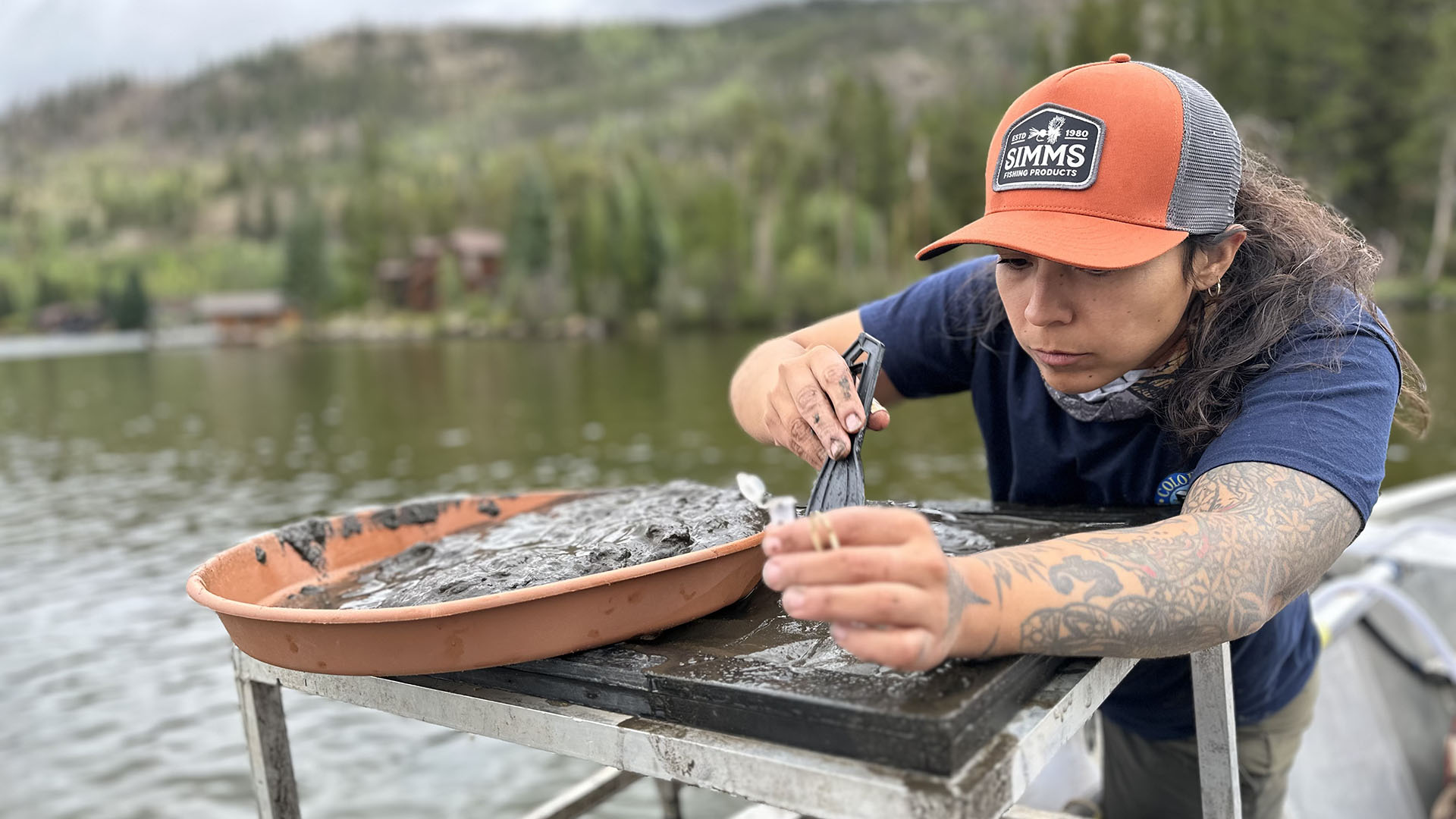
A woman with an orange baseball hat samples for mysis shrimp with a sifting pan, tweezers and a tiny container to put the shrimp in